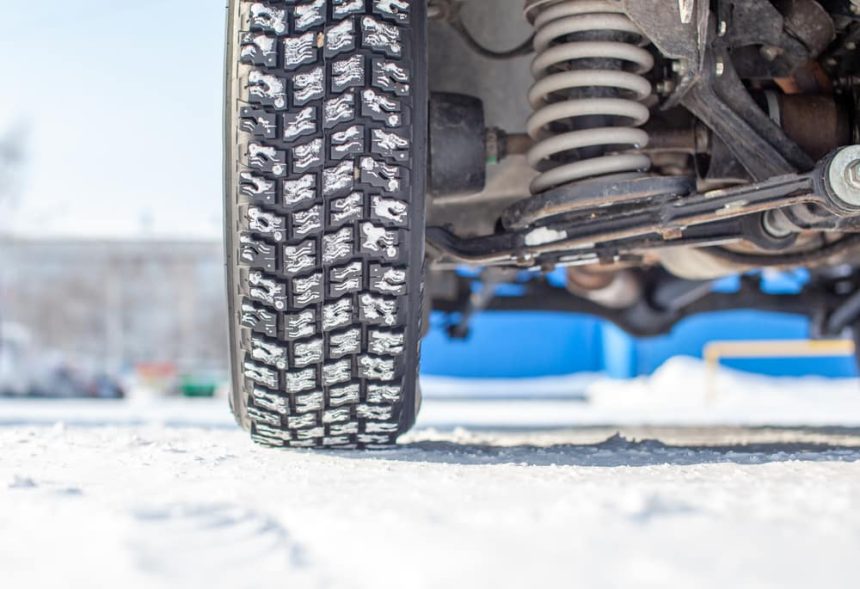
As winter approaches, those of us who rely on trucks know that navigating icy roads and heavy snowfall can pose unique challenges. Whether you’re heading out for work, embarking on a weekend adventure, or simply running errands, having the right snow tires can make all the difference in ensuring your safety and confidence behind the wheel. With countless options available on the market, choosing the best snow tires for your truck can feel overwhelming.
This article aims to simplify your decision-making process by highlighting the top contenders for winter traction and performance. We’ll explore features that matter most, such as grip, durability, and handling, so you can hit the road with peace of mind and a little extra grip this winter season. Let’s dive in and find the perfect snow tires to keep you safe, no matter what Mother Nature throws your way!
Table of Contents
- Understanding the Importance of Snow Tires for Trucks
- Key Features to Look for in Winter Truck Tires
- Top Recommendations for Performance and Durability
- Tips for Maintaining Your Snow Tires Throughout the Season
- Q&A
- Wrapping Up
Understanding the Importance of Snow Tires for Trucks
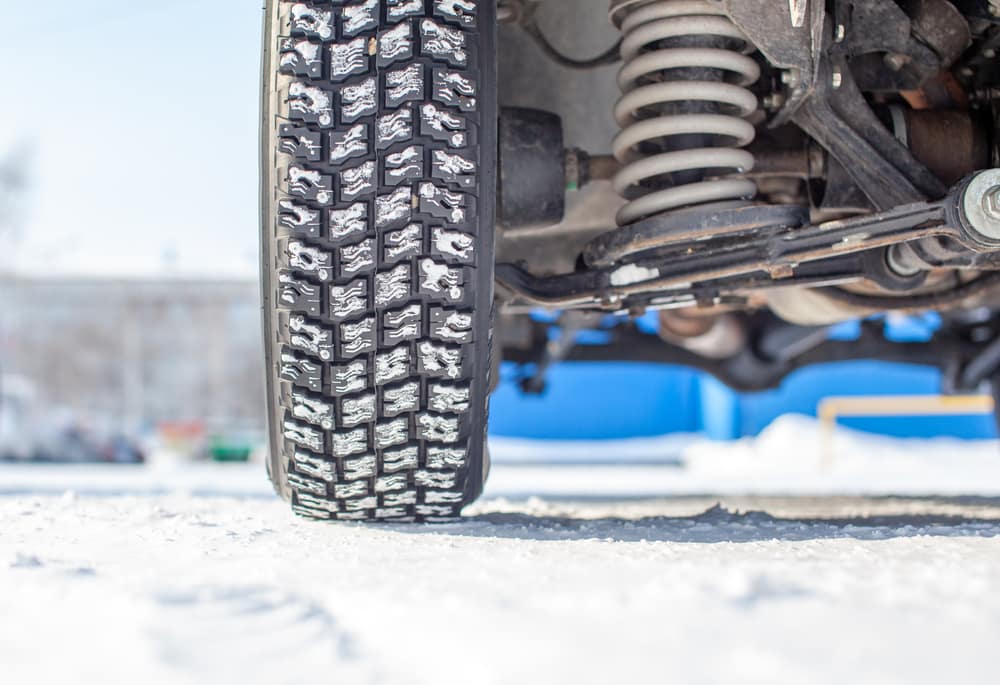
When winter strikes, many truck owners may overlook the crucial role that snow tires play in ensuring safety and performance. Unlike standard tires, snow tires are specifically engineered to handle icy and snowy conditions, providing enhanced traction and stability. The unique tread patterns and softer rubber compounds are designed to maintain flexibility and grip, even in frigid temperatures. This means better control on slippery roads, reducing the risk of accidents and giving drivers peace of mind during their winter journeys.
Investing in snow tires can significantly improve your truck’s handling and braking abilities under challenging weather conditions. Here are a few key benefits to consider:
- Improved Traction: Snow tires feature deeper treads with specially designed patterns that maximize grip.
- Shorter Stopping Distances: The advanced rubber compounds allow for better braking performance on icy surfaces.
- Enhanced Stability: Snow tires help maintain control, reducing the likelihood of skidding or losing traction.
- Long-Term Savings: Using snow tires can prevent costly repairs from accidents caused by inadequate traction.
Key Features to Look for in Winter Truck Tires
When choosing winter truck tires, consider the tread design, as it plays a crucial role in ensuring optimal traction on snow and ice. Tires with a deeper tread pattern and more aggressive design can grip slippery surfaces more effectively, while sipes—small slits in the tire—enhance flexibility and improve grip in frigid conditions. Look for all-terrain capabilities if you frequently encounter mixed weather conditions, as these tires are engineered to perform well on both snow-covered roads and dry surfaces.
Another critical aspect to evaluate is the rubber composition used in the tire. Winter tires are made from softer rubber compounds that remain pliable in low temperatures, enhancing grip and control. Consider tires that have a high-performance rating to ensure they can handle the extreme winter weather conditions. Additionally, check for features like studdable options, which allow for metal studs to be added for extra traction, especially in ice-prone areas. Knowledge of these key features will help you select the right tires to keep you and your truck safe during winter adventures.
Top Recommendations for Performance and Durability
When it comes to selecting snow tires for your truck, prioritizing both performance and durability is essential to navigate harsh winter conditions safely. Consider tires that feature multi-directional tread patterns, which enhance traction on icy and snowy surfaces. Additionally, look for options with deep grooves and siping technology, as these features improve grip and help channel water away to reduce the risk of hydroplaning. Some notable recommendations include:
- Bridgestone Blizzak DM-V2: Offers exceptional grip on ice and snow, thanks to its advanced rubber compound.
- Goodyear Wrangler Duratrac: Known for its ruggedness, it balances off-road capability with on-road comfort.
- Nokian Hakkapeliitta LT2: A favored choice for heavy-duty trucks, this tire excels in extreme winter conditions.
Durability should not be overlooked, especially for truck owners who frequently traverse rough terrains. Tires designed with reinforced sidewalls often provide enhanced puncture resistance, making them ideal for challenging winter environments. It’s important to review the tire’s treadwear ratings and warranties, which can indicate longevity. Here’s a quick comparison of some top contenders:
| Brand | Model | Tread Life | Winter Performance Rating |
|---|---|---|---|
| Bridgestone | Blizzak DM-V2 | 40,000 miles | Excellent |
| Goodyear | Wrangler Duratrac | 50,000 miles | Very Good |
| Nokian | Hakkapeliitta LT2 | 60,000 miles | Outstanding |
Tips for Maintaining Your Snow Tires Throughout the Season
To ensure your snow tires maintain optimal performance throughout the winter season, regular inspections are essential. Start by checking the tread depth; a minimum depth of 6/32 inches is recommended for effective traction. Look for signs of uneven wear, which can indicate improper alignment or insufficient tire pressure. Additionally, inspect for any visible damage, such as cracks or punctures, as these can compromise the tire’s integrity. Remember to rotate your tires every 5,000 to 7,500 miles to ensure even wear across all tires, extending their lifespan and enhancing your safety on slippery roads.
Proper storage of your snow tires during the warmer months is equally vital for their longevity. When the season ends, clean your tires thoroughly to remove any dirt and debris that could lead to deterioration. Store the tires in a cool, dry place away from direct sunlight and extreme temperatures. Arrange them in a stack or mount them on rims to avoid deformities. Consider using tire bags to protect them from moisture and dust. Lastly, when re-installing your snow tires, always check their air pressure, as tires naturally lose pressure over time. Following these simple tips will ensure your snow tires remain in excellent condition, ready to tackle winter weather when the time comes.
Q&A
Q&A: Best Snow Tires for Trucks – Stay Safe in Winter Weather
Q1: Why should I invest in snow tires for my truck?
A1: Investing in snow tires for your truck enhances safety and performance during winter conditions. Unlike all-season tires, snow tires are specifically designed with deeper treads and softer rubber compounds that provide better traction on snow and ice. This can make a significant difference in stopping distance and handling, ultimately keeping you and your passengers safer on slippery roads.
Q2: What features should I look for in snow tires for my truck?
A2: When shopping for snow tires, consider these key features:
- Tread Design: Look for aggressive patterns with wide grooves to channel snow and slush away.
- Rubber Composition: Opt for tires made with specialized rubber that remains flexible in cold temperatures, improving grip.
- Studdable Options: Some snow tires come with the ability to add metal studs for enhanced traction on icy surfaces.
- Load Capacity: Since you’re using a truck, ensure the tires are rated to handle the weight and load requirements of your vehicle.
Q3: How do I determine the right size of snow tires for my truck?
A3: To find the correct tire size, check your truck’s owner’s manual or the tire placard located on the driver’s side door jamb. This will provide you with the recommended tire size, load rating, and other specifications. Using the same specifications when selecting snow tires is crucial to maintain safety and performance.
Q4: Can I use snow tires year-round?
A4: While it’s tempting to keep snow tires on year-round due to their enhanced grip, it’s not advisable. Snow tires are made from softer rubber, which wears out faster in warm conditions and can lead to poor handling. Additionally, using them in warmer weather can reduce your fuel efficiency. It’s best to switch back to all-season or summer tires when winter is over.
Q5: How do snow tires improve traction in winter conditions?
A5: Snow tires feature unique tread patterns and sipes (tiny slits in the tread) that provide better traction on snow and ice. This design helps to bite into the snow, allowing for improved grip. Furthermore, the rubber compound stays pliable in cold temperatures, resulting in enhanced road contact and better braking performance.
Q6: Are all snow tires equally effective?
A6: No, not all snow tires are created equal. Some brands and models have undergone rigorous testing and have been proven to perform better in extreme winter conditions. Look for tires that have received high ratings from organizations like Tire Rack or Consumer Reports for snow performance. Be sure to read customer reviews as well!
Q7: How often should I replace my snow tires?
A7: The lifespan of snow tires generally ranges from 4 to 6 years, depending on usage and maintenance. However, if you notice significant tread wear (less than 6/32 of an inch), cracks, or other damages, it’s time for replacements, regardless of age. Regularly checking the tread depth and maintaining proper air pressure can also help prolong their life.
Q8: Can I mix different types of tires on my truck for winter?
A8: It’s generally not recommended to mix snow tires with all-season or summer tires. Doing so can lead to uneven handling and compromised traction, which could be dangerous in winter conditions. For optimal performance and safety, it’s best to use the same type of snow tires on all four wheels.
Q9: What are some top-rated snow tires for trucks in 2023?
A9: Some of the best snow tires for trucks in 2023 include:
- Bridgestone Blizzak DM-V2: Known for exceptional grip and handling on ice and snow.
- Goodyear Wrangler Duratrac: Offers great off-road performance along with solid winter capabilities.
- Michelin LTX Winter: Balances winter traction with comfort and low road noise.
- Nokian Hakkapeliitta LT3: Renowned for its durability and outstanding grip on icy surfaces.
Be sure to consider your driving needs and conditions when selecting the right tire.
Q10: How can I ensure my snow tires perform at their best?
A10: To maximize the performance of your snow tires:
- Regularly check the tire pressure, as it can drop in colder temperatures.
- Inspect the tread depth and rotate your tires as needed to promote even wear.
- Store your tires properly during the off-season to maintain their integrity.
- Lastly, stay informed about weather conditions and adjust your driving habits accordingly.
By choosing the right snow tires and taking care of them, you’re investing in your safety and ensuring a smoother ride through the winter months. Stay safe out there!
Wrapping Up
equipping your truck with the best snow tires is an essential step in ensuring your safety and performance on winter roads. By investing in high-quality tires specifically designed for snowy and icy conditions, you can navigate winter challenges with confidence and peace of mind. Remember to consider factors such as tread design, rubber composition, and compatibility with your vehicle to find the perfect fit for your driving needs.
As winter approaches, take the time to prepare your truck properly, and don’t let adverse weather conditions catch you off guard. Stay safe, stay warm, and enjoy all the adventures that the snowy season has to offer. Happy driving, and may your journeys be as smooth as freshly plowed roads!