Purchasing a new car battery should signal an end to your starting troubles, but what happens when your reliable investment fails to hold a charge? If you’ve found yourself asking, “Why does my new car battery keep dying?” you’re not alone. Many drivers experience the frustration of a battery that simply won’t cooperate, even after a fresh installation.
In this article, we’ll explore some of the most common causes behind battery issues, as well as practical solutions to help you get back on the road with confidence. Whether you’re a seasoned gearhead or a casual driver, understanding the factors at play can make all the difference in ensuring the longevity of your new battery. Let’s dive in and troubleshoot those pesky problems together!
Table of Contents
- Understanding the Lifespan of Your Car Battery and Common Signs of Failure
- Essential Checks for Electrical System Drain and Battery Performance
- Practical Solutions to Prevent Your Car Battery from Dying
- When to Seek Professional Help for Battery and Electrical Issues
- Q&A
- Key Takeaways
Understanding the Lifespan of Your Car Battery and Common Signs of Failure
Car batteries are designed to provide reliable performance, but various factors can shorten their lifespan. On average, a car battery lasts about 3 to 5 years; however, extreme weather conditions, frequent short trips, and a faulty charging system can diminish this timeframe. It’s essential to consider both environmental influences and driving habits, as they play a significant role in battery life. Regular maintenance, such as spark plug replacements and ensuring proper terminal connections, can help extend the longevity of your battery.
Being aware of the common signs of battery failure can save you from unexpected breakdowns. Some typical indicators include:
Dim headlights - If your car’s headlights appear weaker than usual, it may signal battery issues.
Slow engine crank – Difficulty in starting the engine is a classic sign of battery trouble.
Warning lights – Dashboard warning lights, particularly for the battery, should not be ignored.
Corrosion - Build-up of white or blue powder around battery terminals can indicate a failing battery.
To better understand these symptoms, take a look at the table below:
| Symptom | Possible Cause | Action |
|---|---|---|
| Dim headlights | Weak battery charge | Check battery and connections |
| Slow engine crank | Battery nearing end of life | Consider replacement |
| Warning lights | Electrical issue | Consult a mechanic |
| Corrosion | Acid leakage | Clean terminals and check battery |
Essential Checks for Electrical System Drain and Battery Performance
To ensure that your new car battery performs optimally and doesn’t drain unexpectedly, it’s essential to conduct a series of checks on your vehicle’s electrical system. Start with a visual inspection of the battery terminals and cables. Look for signs of corrosion, which can hinder electrical flow. Additionally, make sure that the terminals are securely fastened. Some critical checks to consider include:
Electrical loads: Review all accessories and systems that draw power—such as lights, radio, and navigation—and ensure they are turned off when the engine is off.
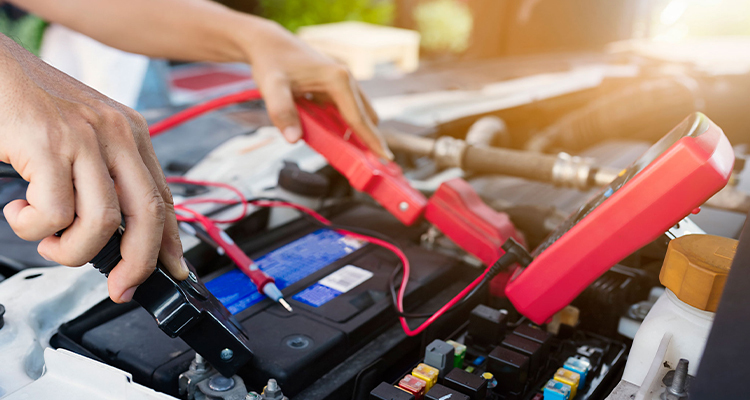
Parasitic draw: Use a multimeter to measure the current draw when the vehicle is off; a high draw might indicate a malfunctioning component.
Charging system: Test the alternator to ensure it is charging the battery adequately while the engine is running.
Additionally, maintaining a healthy battery is crucial. One effective method is to regularly check the battery’s state of charge. Most modern batteries come with a built-in charge indicator, but using a battery tester can provide a more accurate reading. Here’s a simple comparison table for common battery testers:
| Tester Type | Pros | Cons |
|---|---|---|
| Basic Multimeter | Affordable, versatile | Requires knowledge to use |
| Digital Battery Tester | User-friendly, accurate | Costlier than basic options |
| Load Tester | Tests under load conditions | More complex to use |
Practical Solutions to Prevent Your Car Battery from Dying
Preventing your car battery from dying is not just about replacing it when it fails; it’s about proactive maintenance and habits that can extend its lifespan. Start with regular inspections of your battery’s terminals and connections. Look for signs of corrosion, which can hinder the battery’s performance. A simple cleaning with a mixture of baking soda and water can work wonders. Additionally, consider installing a battery maintainer if your vehicle sits for long periods. This keeps the battery charged without overcharging, ensuring your battery is always ready to go when you need it.
Another effective way to safeguard your battery is to limit short trips. Frequent short drives can prevent the battery from fully charging, leading to a slow decline in health. If possible, aim for longer drives at least once a week to allow the alternator ample time to recharge the battery effectively. Also, pay attention to your vehicle’s electrical systems. If you notice lights or accessories staying on after you’ve turned off the engine, be sure to address this issue as it can lead to a drained battery. Keeping your battery clean, charged, and monitored will help you avoid those unexpected dead battery situations.
When to Seek Professional Help for Battery and Electrical Issues
If you’ve tried troubleshooting your car battery and electrical system without success, it may be time to reach out for professional help. Indicators that you should consult a mechanic include persistent battery drainage despite a new battery installation, frequent jump-starts, or unexplained electrical system failures such as flickering lights or malfunctioning dashboard indicators. These symptoms could hint at deeper issues within the vehicle’s electrical systems, such as a faulty alternator, parasitic draws, or bad ground connections that require expert diagnostics.
Additionally, if you notice any signs of physical damage or corrosion around the battery terminals, it’s wise to have a professional inspect the battery and connections. Common issues that warrant a visit to an automotive technician include:
- Inconsistent battery performance after repeated charging.
- Visible leaks or bulging on the battery casing.
- Burning smells or unusual noises when starting the vehicle.
Proactive measures can save you money and time in the long run, ensuring your vehicle remains reliable and safe.
Q&A
Q: Why does my new car battery keep dying?
A: There are several reasons why a new car battery might be dying. Even though it’s newly purchased, it can still be affected by various issues such as faulty connections, excessive drain from electrical components, or even issues with the car’s charging system.
Q: What common causes could lead to a new battery dying?
A: Common causes include:
- Parasitic Drain: This happens when components like the radio, lights, or alarm system continue to draw power when the car is off.
- Faulty Alternator: If the alternator isn’t charging the battery properly, it can lead to repeated discharges.
- Corroded or Loose Connections: Poor connections at the battery terminals can prevent the battery from receiving a full charge.
- Short Trips: Frequently driving short distances doesn’t allow the battery to fully recharge, which can lead to power loss over time.
- Excessive Use of Electronics: Using the radio or charging devices while the engine is off can quickly drain the battery.
Q: How can I check for a parasitic drain?
A: You can check for parasitic drain by using a multimeter. To do this, make sure the car is off and all the electronics are turned off. Remove the negative battery terminal and connect the multimeter in series between the terminal and the battery post. If the reading is higher than 50 milliamps, there may be a parasitic drain that needs to be addressed.
Q: What should I do if I suspect my alternator is the issue?
A: If you suspect your alternator might be the problem, consider having it tested. Most auto parts stores offer free testing services. You can also check if your car’s battery light is on or if the headlights dim when you rev the engine—these may indicate alternator issues.
Q: What are some simple fixes I can try myself?
A: Here are some simple fixes you can try:
- Clean Battery Terminals: Make sure the battery terminals are clean and free from corrosion. You can clean them with a mixture of baking soda and water, and a wire brush.
- Check Connections: Ensure that all cable connections are tight and secure.
- Limit Electronic Use: Try to minimize the use of electronic devices when the engine is off and avoid short trips when possible.
- Disconnect the Battery: If you’re not using the car for an extended period, consider disconnecting the battery to prevent drain.
Q: When should I consult a professional mechanic?
A: If you’ve tried the above fixes and your new battery continues to die, it may be time to consult a professional mechanic. They can conduct more in-depth diagnostics to identify underlying issues that may not be easily visible, such as problems with the charging system or hidden electrical issues.
Q: Could there be a warranty issue with my battery?
A: Yes, many new car batteries come with a warranty. If your battery has stopped functioning properly and it’s within the warranty period, don’t hesitate to contact the retailer or manufacturer for support. They might replace it or offer a solution.
Q: What can I do to extend the life of my new battery?
A: To extend the life of your new battery, consider the following tips:
- Regularly inspect and clean battery terminals.
- Ensure your alternator is functioning correctly.
- Limit short trips that prevent the battery from fully charging.
- Turn off electronic devices when the engine is off.
- Get your battery and charging system checked periodically, especially before winter.
By keeping an eye on these factors, you can help ensure that your new car battery stays healthy and reliable for years to come!
Key Takeaways
experiencing a dying car battery can be frustrating, especially with a new battery that you expect to last. By understanding the common causes — from parasitic draws and faulty connections to temperature extremes — you can take proactive steps to prevent future issues. Regular maintenance, careful attention to your vehicle’s electrical system, and being aware of how you use your car can go a long way in ensuring your battery remains healthy. If you find yourself facing repeated battery failures despite your best efforts, consulting with a trusted mechanic might be your next step. Remember, your car is an important part of your life, and keeping it in top shape benefits both you and your wallet. Safe driving!