In the exhilarating world of Formula 1, where speed and precision reign supreme, the emphasis on safety has transformed dramatically over the decades. Once marked by the thrill of high-speed chases and daring maneuvers, the sport has gradually evolved into a realm where cutting-edge technology and rigorous safety standards take center stage. As drivers navigate sharp corners and fierce competition at breakneck speeds, the significance of robust safety features cannot be overstated. From advanced cockpit designs to state-of-the-art crash test protocols, the innovations in F1 car safety not only aspire to protect those behind the wheel but also serve as a benchmark for automotive engineering as a whole.
In this article, we will explore the remarkable safety features that have revolutionized Formula 1, highlighting the intricate balance between pushing boundaries and safeguarding the lives of the sport’s most talented drivers.
Revolutionary Cockpit Design Enhancing Driver Protection
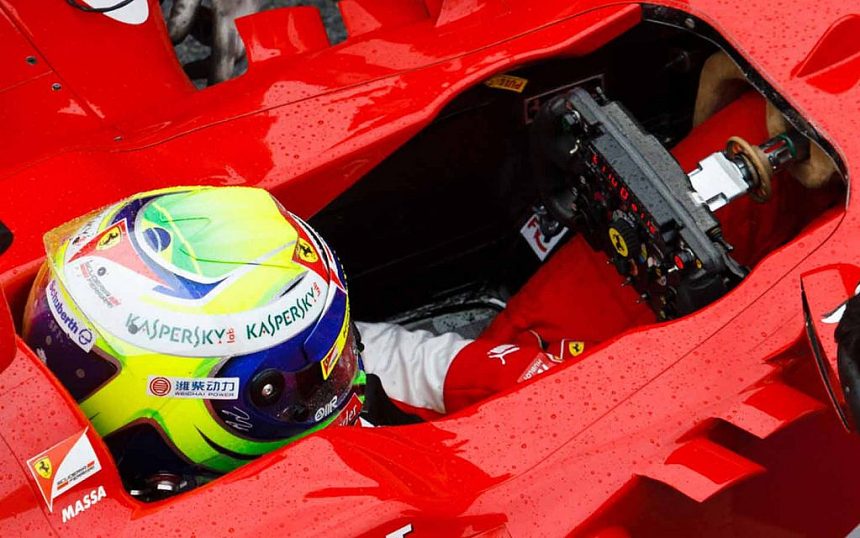
In the high-octane world of Formula 1, where speed and precision reign supreme, the cockpit design has undergone a revolutionary transformation, focusing primarily on driver safety. The integration of advanced materials and innovative structural engineering has created a protective cocoon that withstands the intense forces experienced during high-speed collisions. Modern cockpits are now equipped with reinforced cockpit structures and deformable zones that absorb impact energy, drastically reducing the forces transmitted to the driver. The strategic placement of impact-absorbing foam and composite materials ensures that every inch of the cockpit is optimized for maximum protection, while also allowing for quick access to emergency escape routes.
Moreover, the layout of control systems and instrumentation has been meticulously crafted not only for functionality but also for safety. Drivers now enjoy an ergonomic seating position, which not only enhances their comfort during grueling races but also aids in minimizing the risk of injury in the event of an accident. The design takes into account the need for rapid access to critical controls, ensuring that the driver remains in control, even while maneuvering at blistering speeds. Enhanced visibility through the cockpit opening, combined with the use of advanced heads-up displays, ensures that drivers can maintain situational awareness without losing focus on the track ahead. This holistic approach to cockpit design exemplifies how safety innovations continue to evolve, driven by a commitment to protecting the sport’s most valuable asset—the driver.
Advanced Materials Shaping the Future of Safety in F1
The evolution of safety features in Formula 1 cars has been profoundly influenced by advanced materials that enhance structural integrity while minimizing weight. Carbon fiber, one of the most significant innovations, has revolutionized car design. With its high strength-to-weight ratio and resilience, carbon fiber not only provides optimal protection for drivers in the event of a collision but also contributes to the overall aerodynamic efficiency of the vehicle. The monocoque chassis, constructed primarily from this composite material, plays a crucial role in maintaining the car’s integrity during high-speed crashes. This state-of-the-art design allows for better energy absorption, ensuring that the forces of impact are distributed effectively, thereby shielding the driver.
In addition to carbon fiber, the use of advanced alloys and innovative polymers is paving the way for new safety features. For instance, magnesium and aluminum alloys are increasingly used in components such as the wheel hubs and suspension systems, offering both strength and lightweight properties. Moreover, the incorporation of smart materials, which can change properties in response to external stimuli, is being explored for roll cages and seat designs. These materials not only adapt to absorb impacts but can also provide real-time feedback on the vehicle’s condition during races. The integration of these sophisticated materials into F1 vehicles not only enhances driver safety but also reflects the ongoing commitment of the sport to innovation and excellence.
Innovative Crash Structures: A Barrier Against Impact
The engineering marvels behind Formula 1 cars are not just about speed and agility; they incorporate cutting-edge crash structures designed to absorb and dissipate energy during collisions. These innovative designs, often composed of advanced composite materials, play a crucial role in protecting drivers by minimizing the impact forces transferred to the cockpit. Each component is meticulously crafted to deform in a controlled manner, programming the car to absorb kinetic energy, thereby enhancing passenger safety. In essence, these structures act as a protective cocoon during high-speed incidents, transforming the vehicle from a mere machine to a formidable shield against the perils of racing.
In addition to the primary role of crashworthiness, these innovative structures undergo rigorous testing, including simulations and real-world crash tests, to ensure they meet the highest safety standards. Teams utilize sophisticated modeling techniques to predict how different materials will behave under extreme conditions, refining designs to maximize effectiveness. The integration of these features not only reflects a commitment to driver safety but also demonstrates an ongoing dialogue between engineering innovation and competitive performance. As technologies advance, these crash structures will continue evolving, pushing the boundaries of what is possible in the quest for safer racing environments.
Read More: Driving Safety on Icy Condition
Comprehensive Safety Protocols: Beyond the Car to the Track
Formula 1 racing is a realm where the stakes are at their peak, and safety measures extend far beyond the vehicles themselves. While the cutting-edge design of F1 cars incorporates advanced materials and technologies aimed at protecting drivers, the circuits themselves are meticulously engineered to enhance safety. Each track is regularly assessed for potential hazards, and features such as runoff areas, tire barriers, and gravel traps are strategically placed to minimize impact during high-speed scenarios. Additionally, drivers undergo rigorous training that not only hones their racing skills but also prepares them to respond quickly and effectively in case of an emergency.
The collaboration between teams, engineers, and safety personnel is crucial, now more than ever. F1 officials continuously analyze incidents and near-misses to refine protocols and make incremental improvements. For instance, the deployment of the Safety Car and Virtual Safety Car protocols demonstrates a commitment to maintaining order during contentious moments while prioritizing driver safety. With a focus on continuous innovation, F1 strives to implement state-of-the-art techniques, such as the use of advanced telemetry, to monitor real-time data, anticipating issues before they arise. As a result, the sport not only champions exhilarating competition but also stands at the forefront of safety advancements in motorsport.
Concluding Remarks
As we cross the checkered flag on our exploration of safety features in Formula 1 cars, it becomes clear that the relentless pursuit of speed is matched only by the unwavering commitment to driver protection. From the ingenious halo device to advanced telemetry systems, the innovations implemented in F1 not only push the boundaries of engineering but also safeguard the very athletes at the heart of this thrilling sport.
As teams continue to innovate and evolve, the lessons learned on the racetrack resonate far beyond the confines of F1, influencing automobile safety in everyday vehicles. Each improvement tells a story of resilience, determination, and the collective drive to ensure that those who dare to chase the checkered flag can do so with confidence and security. In Formula 1, safety isn’t just an added feature—it is essential to the sport itself, marking its ever-advancing legacy of prioritizing human life amid the ultimate test of speed. The journey continues, and with every lap, we race toward a safer, more exhilarating future.