As the temperature rises and summer days stretch longer, the heat can take a toll on your vehicle. Just like we need to stay hydrated and protected from the sun, our cars also require special attention during those sweltering months. Heat-related car issues can range from engine overheating to tire blowouts, and these problems can lead to costly repairs and frustrating breakdowns. But fear not!
With a little proactive care, you can keep your vehicle running smoothly and safely, no matter how high the mercury climbs. In this article, we’ll share some friendly and practical tips to help you prevent heat-related car issues, ensuring that your summer travels remain enjoyable and worry-free. Let’s dive in!
Table of Contents
- Understanding the Impact of Heat on Your Vehicle
- Essential Maintenance Tips for Hot Weather Preparedness
- Smart Driving Habits to Reduce Heat Stress on Your Car
- Creating an Emergency Kit for Hot Weather Road Trips
- Q&A
- Concluding Remarks
Understanding the Impact of Heat on Your Vehicle
Heat can be a silent adversary for your vehicle, leading to various issues if not properly managed. The engine, transmission, and cooling system are particularly vulnerable during extreme temperature conditions. High heat can cause engine oil to thin out, impairing lubrication and increasing the risk of damage. Moreover, the transmission fluid can also break down faster, leading to potential slippage or overheating. To mitigate these risks, prioritize regular maintenance checks, especially before the summer months. Ensure that your fluid levels, including coolant and oil, are maintained at proper levels and consider switching to heat-resistant fluids during hotter seasons.
Read More: Used Car Buying Essential Tips: Make Your Best Purchase
Additionally, taking extra precautions can significantly enhance your vehicle’s resilience to heat. Here are some essential tips to follow:
- Check your coolant system: Ensure your radiator and coolant are in optimal condition and free from leaks.
- Inspect belts and hoses: High temperatures can cause wear and tear; replace any frayed or cracked components.
- Protect your interior: Use sunshades and park in the shade to prevent upholstery damage and keep the cabin cooler.
- Monitor tire pressure: Heat can cause tires to expand; check their pressure regularly to avoid blowouts.
For a quick overview of heat-related issues and their potential solutions, refer to the table below:
| Issue | Solution |
|---|---|
| Overheating Engine | Regularly check coolant levels and replace worn-out hoses. |
| Thinned Engine Oil | Use high-temperature resistant oil and change it according to schedule. |
| Transmission Issues | Inspect and change transmission fluid regularly. |
| Damaged Tires | Maintain proper tire pressure and inspect for wear and tear. |
Essential Maintenance Tips for Hot Weather Preparedness
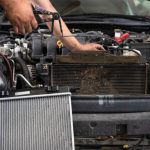
As temperatures soar, it’s crucial to ensure your vehicle is ready to handle the heat. High heat can lead to various car troubles, so keeping an eye on your car’s essential systems will help prevent breakdowns. Start with your cooling system: check the coolant level and inspect for leaks. A well-maintained radiator can make all the difference in avoiding engine overheating. Additionally, air conditioning should be serviced to ensure it functions efficiently. If your A/C is blowing warm air, it might be time to recharge the system or check for leaks.
Your tires also deserve special attention in hot weather. Increased temperatures can cause tire pressure to rise, leading to blowouts if tires are over-inflated. Make it a habit to regularly check the tire pressure and tread depth to ensure you have a safe grip on the road. Furthermore, don’t overlook the importance of fluid levels. Keep an eye on the brake fluid, transmission fluid, and windshield washer fluid to ensure your car operates smoothly. To help you stay organized, here’s a quick reference table:
| Maintenance Task | Frequency |
|---|---|
| Check coolant level | Monthly |
| Inspect tires | Bi-weekly |
| Test A/C performance | Start of summer |
| Examine fluid levels | Monthly |
Smart Driving Habits to Reduce Heat Stress on Your Car
Implementing smart driving habits is essential to minimize heat stress on your vehicle, especially during sweltering summer months. One effective practice is to avoid excessive idling. When your engine runs without moving, it generates heat and can lead to overheating. Instead, turn off your engine when parked or waiting for extended periods. Another habit to adopt is to drive during cooler parts of the day, like early morning or late evening. This not only helps maintain your car’s temperature but also improves your comfort while driving.
Regular maintenance checks can also make a significant difference in how your car handles the heat. Be proactive by ensuring that your coolant levels are adequate and that your radiator is functioning properly. Additionally, keep an eye on your tire pressure, as hot weather can cause air in tires to expand, potentially leading to blowouts. Consider the following tips to enhance your vehicle’s resilience to heat:
| Tip | Description |
|---|---|
| Maintain Fluids | Check and replace engine coolant, oil, and transmission fluid regularly. |
| Use Sunshades | Protect your interior by using sunshades; they help keep the cabin cooler. |
| Park Smart | Whenever possible, park in shaded areas to reduce the heat buildup inside the car. |
Creating an Emergency Kit for Hot Weather Road Trips
When planning a road trip in hot weather, packing an emergency kit can make all the difference in ensuring a safe and enjoyable journey. Start by including essential items that can help you manage potential heat-related issues and keep you comfortable in case of unexpected breakdowns. Some must-have items for your kit include:
- Water bottles: Hydration is key; pack enough water for everyone in your vehicle.
- First-aid supplies: Include band-aids, antiseptic wipes, and medications for headaches or allergies.
- Sunscreen: Protect your skin from harmful UV rays during any stops.
- Emergency snacks: Non-perishable items like nuts or granola bars will keep your energy up.
- Cooling towels: These can quickly lower your body temperature if you start to feel overheated.
Additionally, it’s wise to prepare for your vehicle’s needs as well. Check your engine fluids, tires, and battery, and remember to include roadside assistance items in your kit. Here are some recommendations:
| Item | Purpose |
|---|---|
| Tire inflator | To fix flat tires quickly. |
| Jump cables | To restart your vehicle if the battery dies. |
| Reflective triangles | To signal distress and keep you safe. |
| Portable phone charger | To ensure you can reach help if needed. |
Q&A
Q&A: Tips on How to Prevent Heat-Related Car Issues
Q1: Why is my car at risk of heat-related issues during hot weather?
A1: Cars are made up of many components that can be affected by high temperatures. Heat can cause engine fluids to thin, tires to wear faster, and batteries to lose their charge. Extended exposure to high temperatures can lead to overheating, which may result in engine failure or other significant repairs.
Q2: How can I prepare my car for the summer heat?
A2: Regular maintenance is key. Start by checking the coolant levels and inspecting the radiator for leaks. Ensure your engine oil is fresh and at the recommended level, as this helps to regulate temperature. Don’t forget to check your air conditioning system—if it’s not blowing cold air, it’s best to address the issue before the heat hits.
Q3: What should I do to maintain my tires in the heat?
A3: Hot weather can cause tire pressure to rise, which may lead to blowouts. Check your tire pressure regularly, especially before long trips, and be sure to keep them inflated to the manufacturer’s recommended levels. Also, inspect your tires for any signs of wear or damage, and rotate them as recommended to promote even wear.
Q4: How can I keep my vehicle’s battery in good condition during hot weather?
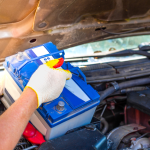
A4: Heat can be just as damaging to batteries as cold. Inspect your battery terminals for corrosion and ensure they are tightly connected. If your battery is more than three years old, consider having it tested at a service center, as older batteries tend to fail more often in extreme heat.
Q5: Is there anything I can do to avoid overheating my engine?
A5: Absolutely! Start by keeping an eye on your temperature gauge while driving. If you notice it climbing toward the red zone, pull over safely and turn off the engine. Additionally, avoid heavy traffic whenever possible, as idling can cause your engine to overheat. Lastly, ensure your fans and belts are in good working condition, as they play a vital role in cooling your engine.
Q6: What are some signs that my car may be overheating?
A6: Look out for signs like steam rising from the hood, a warning light on your dashboard, or a drop in engine performance. If you experience any of these, safely pull over and turn off the engine to prevent severe damage.
Q7: How can I protect the interior of my car from heat damage?
A7: Use sunshades to block out sunlight when parked, and consider using window tinting to protect against UV rays. Keeping the interior ventilated and dark can help maintain a cooler temperature, preventing damage to upholstery and the dashboard.
Q8: Any final tips for summer driving?
A8: Always keep an emergency kit in your car, stocked with water, basic tools, and a first-aid kit. It’s also wise to plan trips early in the morning or later in the evening when temperatures are cooler. And of course, never leave pets or children in a parked car during hot weather, as the temperatures can rise dangerously fast.
By following these tips, you can help ensure that your car remains in great shape and ready to handle whatever the summer heat throws its way! Safe travels!
Concluding Remarks
taking proactive steps to prevent heat-related car issues can save you time, money, and frustration during the sweltering summer months. By regularly maintaining your vehicle, ensuring your cooling system is functioning properly, and being mindful of how you drive and park, you can significantly reduce the risk of overheating and other heat-related problems. Remember, a little preparation goes a long way in keeping your vehicle running smoothly. So, before you hit the road for your next summer adventure, take a moment to give your car the care it needs. Safe travels and enjoy the sunny days ahead!