In recent years, electric cars have surged in popularity, transforming the way we think about transportation. With their eco-friendly benefits and advancements in technology, making the switch to an electric vehicle (EV) can be an exciting journey. However, navigating the world of electric cars can feel a bit overwhelming, especially if you’re a first-time buyer. From understanding charging options to deciphering different models and incentives, there’s a lot to consider.
That’s why we’ve compiled these 7 tips for buying an electric car. Whether you’re looking to reduce your carbon footprint, save on fuel costs, or just enjoy the latest in automotive innovation, these friendly pointers will help you make an informed decision and find the perfect electric ride for your needs!
Table of Contents
- Understanding Your Driving Needs
- Exploring Battery Life and Charging Options
- Evaluating Incentives and Rebates
- Choosing the Right Model and Features
- Q&A
- Future Outlook

Understanding Your Driving Needs
Before diving into the world of electric vehicles (EVs), it’s essential to assess your personal driving requirements. Consider the length of your daily commute and the frequency of long trips. Analyzing these factors will guide you in determining the range you need from your electric car. For instance, if you typically drive short distances around town, a model with a modest battery capacity may suffice. In contrast, if your lifestyle involves frequent longer journeys, it could be worthwhile to invest in a vehicle with an extended range.
Additionally, think about charging infrastructure in your area, as this will heavily influence your ownership experience. If you have access to a home charger, you might prioritize models that offer faster charging times. On the other hand, if public charging stations are prevalent in your region or along your typical routes, you may be more flexible in your choice of vehicle. Remember to weigh the following factors:
- Daily driving distance: How far do you usually drive?
- Access to charging: Do you have a home charging setup?
- Frequency of long trips: How often do you take road trips?
- Charging speed: What charging speeds do you require?
Read More: Tips to Prevent Your Car From Overheating in High Temps
Exploring Battery Life and Charging Options
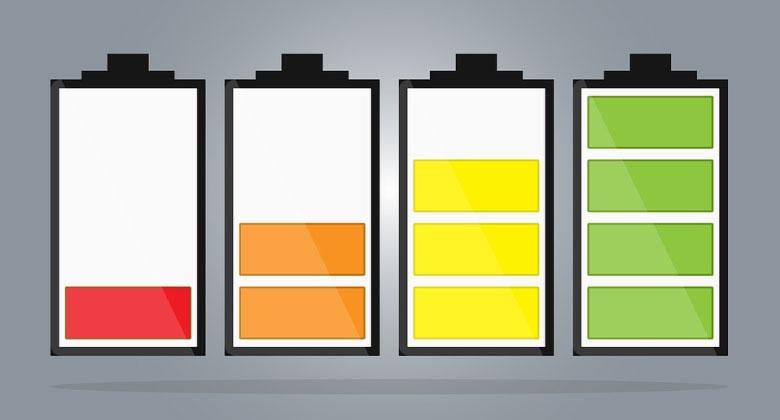
When considering an electric vehicle, it’s essential to delve into its battery life and charging capabilities. Understanding how far you can travel on a single charge can greatly influence your daily routine and long-term satisfaction. Typically, electric cars come with a range of battery sizes, impacting both the driving range and charging time. Here are some key factors to consider:
- Range per Charge: Assess how far the car can drive on a full charge. This will help you determine if it meets your daily commuting needs.
- Battery Size: Larger batteries generally offer more range, but they can also increase the vehicle’s weight and cost.
- Age of Battery: Battery life can degrade over time; check the warranty terms and what they cover.
Charging options are equally crucial, as they dictate how conveniently you can refuel your electric vehicle. Many owners opt for home charging stations to ensure their vehicle is always ready for the road. Here’s a quick overview of common charging types:
| Charging Type | Charging Speed | Best For |
|---|---|---|
| Level 1 | 2-5 miles of range per hour | Home charging with standard outlets |
| Level 2 | 10-60 miles of range per hour | Home and public charging stations |
| DC Fast Charging | 60-100 miles of range in 30 minutes | Long road trips or quick charges on the go |

Evaluating Incentives and Rebates
When considering the purchase of an electric vehicle, it is essential to delve into the various incentives and rebates that may be available to you. Governments at both federal and state levels often provide financial incentives to encourage the adoption of electric cars, which can significantly reduce your out-of-pocket expenses. These incentives can take many forms, including tax credits, cash rebates, and grants. Before making a purchase, be sure to check the specific programs in your area, as they can vary widely. Here are some common types of incentives to look for:
- Federal Tax Credits: Many countries offer substantial tax credits for qualifying electric vehicles, which can offset the cost when filing your taxes.
- State-Specific Rebates: Some states offer their own cash rebates in addition to federal credits, providing a direct reduction in the purchase price.
- Utility Rebates: Local utility companies may offer rebates or special rates for electric vehicle owners, particularly for home charging equipment.
- Low-Interest Loans: Certain programs can help you finance your electric car at a lower interest rate.
To give you an idea of how these incentives can stack up, consider the following example of potential savings (note that this is a hypothetical illustration):
| Incentive Type | Amount |
|---|---|
| Federal Tax Credit | $7,500 |
| State Rebate | $2,000 |
| Utility Rebate | $500 |
| Total Savings | $10,000 |
By thoroughly researching and understanding the incentives available to you, you not only make your transition to electric driving more affordable but also contribute to a more sustainable future. Remember to stay updated on changing policies, as incentives can shift or expire, and taking advantage of them can maximize your savings on your new electric car.
Choosing the Right Model and Features
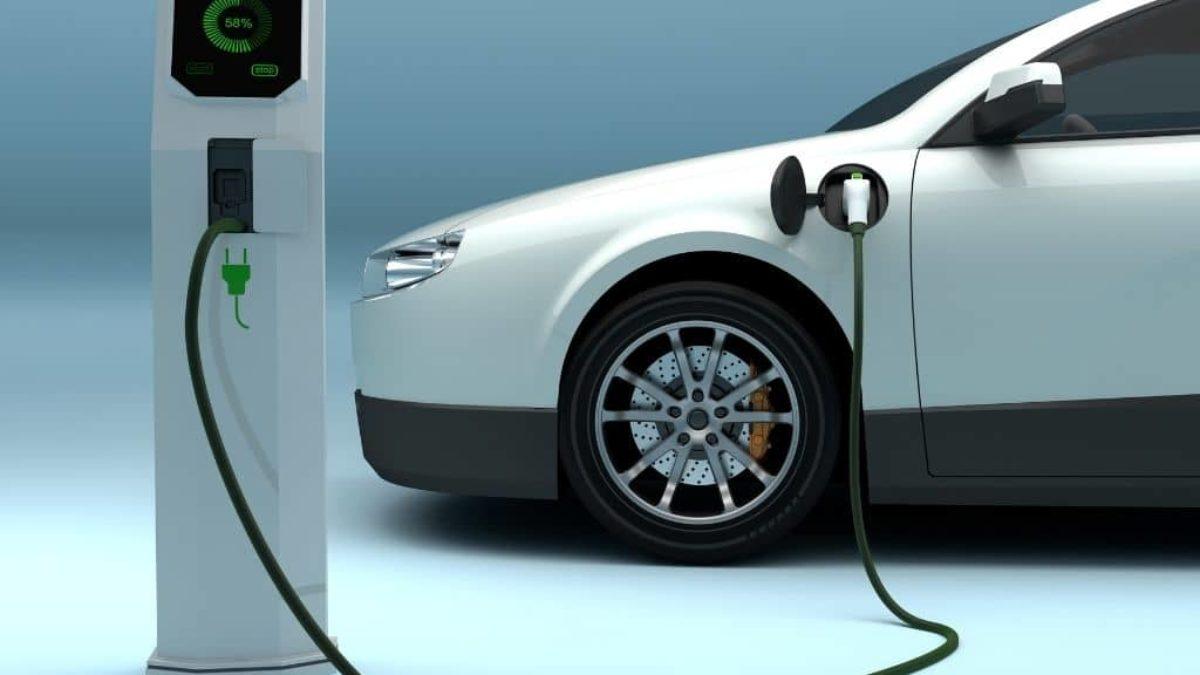
When it comes to selecting the ideal electric vehicle, understanding the range of models available is essential. Each manufacturer brings unique offerings, catering to different lifestyles and budgets. Consider your daily commuting needs; if you primarily drive short distances, a compact model with a modest range might suffice. However, for those with longer commutes or frequent road trips, a model with extended range capabilities and fast-charging options will be beneficial. Key aspects to evaluate include:
- Battery Life: Look for cars with longer battery warranties.
- Charging Infrastructure: Assess the availability of charging stations in your area.
- Performance Features: Evaluate acceleration and handling characteristics.
- Interior Space: Consider passenger and cargo capacity.
Next, focus on the specific features that enhance your driving experience. Many electric vehicles come equipped with advanced technology, from regenerative braking to sophisticated infotainment systems. Additionally, consider safety features that could protect you and your passengers on the road. Some desirable features include:
| Feature | Benefits |
|---|---|
| Autonomous Driving | Reduced fatigue on long drives |
| Lane Assist | Enhanced safety and confidence |
| Smartphone Integration | Seamless connectivity and navigation |
| Wireless Charging | Convenience of charging without cables |
Q&A
Q&A:
Q1: Why should I consider buying an electric car?
A1: Electric cars (EVs) are eco-friendly, producing zero tailpipe emissions, which helps reduce air pollution. They can also save you money on fuel and maintenance costs, and many countries offer incentives such as tax credits or rebates for electric vehicle owners.
Q2: What key factors should I consider when choosing an electric car?
A2: Look for the following factors: driving range, charging options, battery life, performance, and features. Consider how you plan to use the vehicle—whether it’s for short trips or longer commutes—and choose a model that meets your needs.
Q3: How do I determine the right driving range for my electric car?
A3: Assess your daily commute and typical driving habits. Many EVs now offer ranges of over 200 miles on a single charge, which is sufficient for most daily needs. If you often take long trips, consider a model with a longer range or the availability of fast charging stations along your routes.
Q4: What are the charging options for electric cars?
A4: Electric cars can be charged at home using a standard outlet or a Level 2 charging station for faster charging. Public charging stations are also widely available, including DC fast chargers for quick top-ups. Evaluate the availability of charging infrastructure in your area and at your destinations.
Q5: Are there any specific maintenance costs associated with electric cars?
A5: Electric cars typically have lower maintenance costs compared to traditional vehicles, mainly because they have fewer moving parts and do not require oil changes. However, you should still consider battery maintenance and potential replacement costs when budgeting.
Q6: Should I be concerned about battery life and replacement?
A6: Modern electric vehicles come with warranties that often last for 8 years or more for the battery, which helps alleviate concerns about battery degradation. Be sure to research the warranty coverage offered by manufacturers and consider models with reputable battery performance reviews.
Q7: How do I find the best deals or incentives for electric cars?
A7: Start by checking with your local government and utility companies for available incentives, tax credits, or rebates for electric vehicle purchases. Additionally, shop around at various dealerships and online platforms to compare prices, promotions, and financing options. You can also consider looking into used electric cars, which can offer significant savings.
By keeping these tips in mind, you’ll be better equipped to make an informed decision and find an electric car that suits your lifestyle while also contributing to a greener planet!
Future Outlook
As you embark on your journey to own an electric vehicle, keep these seven tips in mind to make the most informed decision possible. From understanding your driving habits to exploring charging options, each consideration is crucial in ensuring that your transition to electric driving is smooth and enjoyable. Remember, investing in an electric car is not just about choosing a vehicle; it’s about embracing a more sustainable future while enjoying the many benefits of modern technology.
Whether you’re motivated by environmental concerns, savings on fuel costs, or the thrill of innovative features, the right electric car is out there for you. Take your time, do your research, and don’t hesitate to reach out to fellow EV owners for their insights. Happy car shopping, and welcome to the exciting world of electric vehicles!