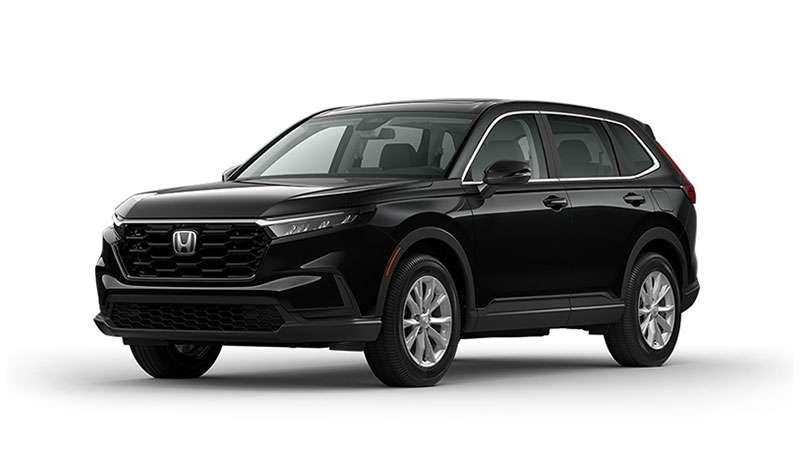
In today’s world, where fuel prices seem to fluctuate daily and environmental concerns are at the forefront of many drivers’ minds, finding a vehicle that balances space, comfort, and fuel efficiency can feel like a daunting task. Enter the SUV: a versatile choice for families, adventurers, and commuters alike. While these robust vehicles are loved for their spacious interiors and rugged capabilities, many often overlook the advancements in fuel efficiency that today’s models offer.
In this article, we’ll explore some of the top SUVs that not only deliver on space and style but also boast impressive gas mileage. Whether you’re planning a cross-country road trip or just tackling your daily commute, these fuel-efficient SUVs will help you save at the pump while enjoying the journey. Let’s dive into our top picks and find the perfect SUV that suits both your lifestyle and budget!
Table of Contents
- Exploring the Benefits of Fuel Efficient SUVs
- Key Features to Look for in a Gas Efficient SUV
- Top Fuel Efficient SUVs for Every Lifestyle
- Tips for Maximizing Fuel Economy in Your SUV
- Q&A
- Future Outlook
Exploring the Benefits of Fuel Efficient SUVs
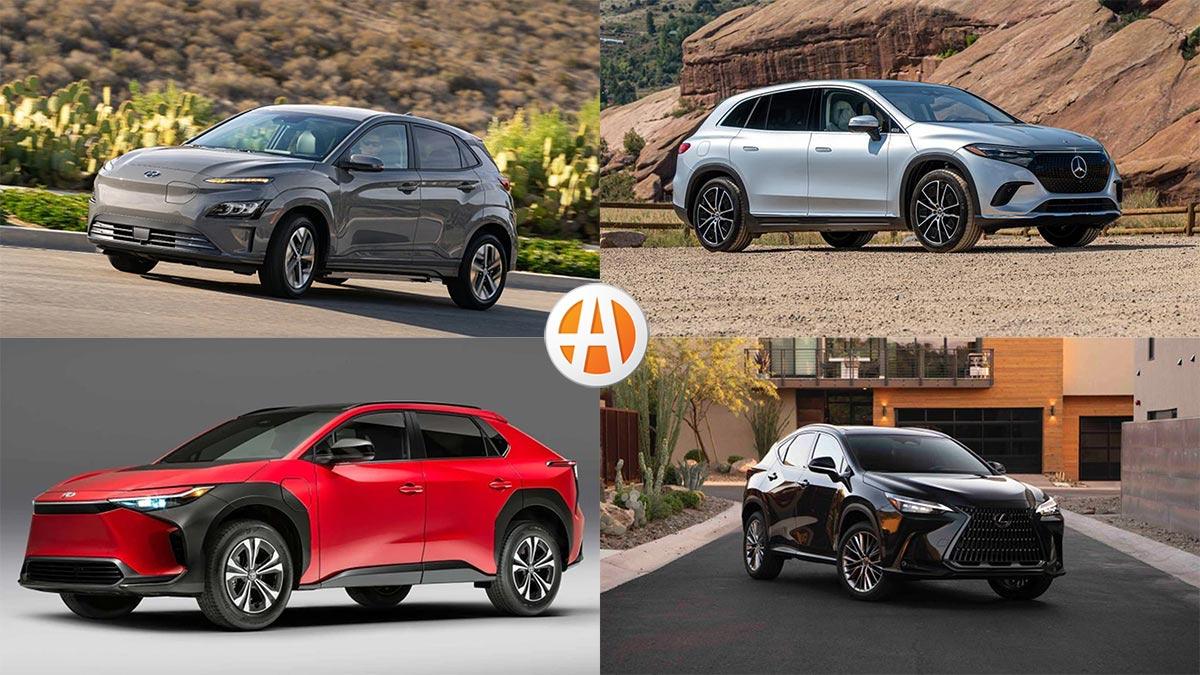
Choosing a fuel-efficient SUV offers a multitude of advantages that extend beyond just saving money at the pump. These vehicles allow drivers to reduce their carbon footprint, contributing positively to the environment. With the rising concern over climate change, opting for an SUV that prioritizes fuel efficiency means you’re making a choice that aligns with sustainable living. Furthermore, many modern fuel-efficient SUVs come equipped with advanced hybrid or electric technologies, enhancing performance while minimizing emissions. This means you can enjoy the versatility and space of an SUV without the guilt of excessive fuel consumption.
In addition to environmental benefits, these SUVs often provide remarkable long-term savings. By reducing fuel expenses, owners can redirect their budgets towards other necessities or luxuries. Moreover, many fuel-efficient models boast high resale values, making them a smart investment. Some of the notable features that contribute to their efficiency include:
- Aerodynamic design: Helps to reduce drag and improve mileage.
- Advanced engine technology: Many SUVs now utilize turbocharging and other innovations to maximize fuel efficiency.
- Lightweight materials: Reducing the overall weight of vehicles enhances performance and fuel economy.
Key Features to Look for in a Gas Efficient SUV
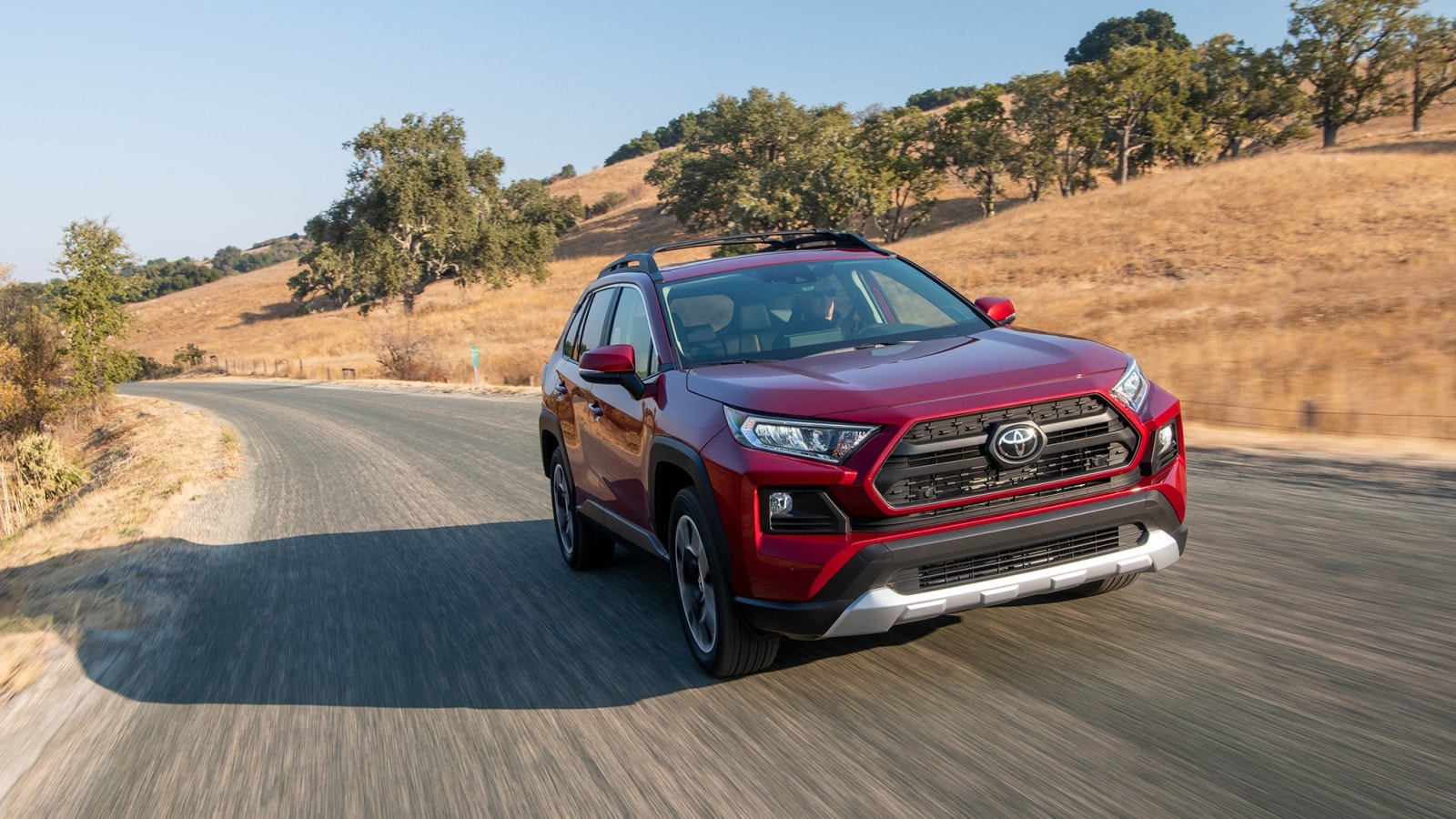
When searching for a gas-efficient SUV, several features can significantly enhance fuel economy while still providing a comfortable driving experience. Engine Size and Type play a crucial role; opting for smaller engines or turbocharged options can offer better mileage without sacrificing performance. Additionally, hybrid or plug-in hybrid variants have gained popularity for their ability to combine traditional engines with electric power, directly impacting fuel efficiency. Furthermore, consider the aerodynamics of the vehicle; a sleeker design minimizes air resistance, aiding in better fuel consumption.
Beyond the engine specs, transmission type is important. Vehicles with continuously variable transmissions (CVT) often deliver superior gas mileage compared to traditional automatic gears. The weight of the SUV also contributes to efficiency—lighter vehicles tend to use less fuel. Lastly, the tire type and inflation play a significant role; opting for low rolling resistance tires and maintaining optimal inflation can drastically improve gas mileage. To help you visualize these attributes, consider the table below showcasing the most important features combined with examples:
| Feature | Benefit | Example Model |
|---|---|---|
| Engine Size | Lowers fuel consumption | Toyota RAV4 Hybrid |
| Transmission Type | Improves gear efficiency | Honda CR-V with CVT |
| Aerodynamics | Reduces drag | Ford Escape |
| Weight | Enhances overall efficiency | Mazda CX-5 |
| Tire Type | Minimizes friction | Subaru Forester |
Top Fuel Efficient SUVs for Every Lifestyle
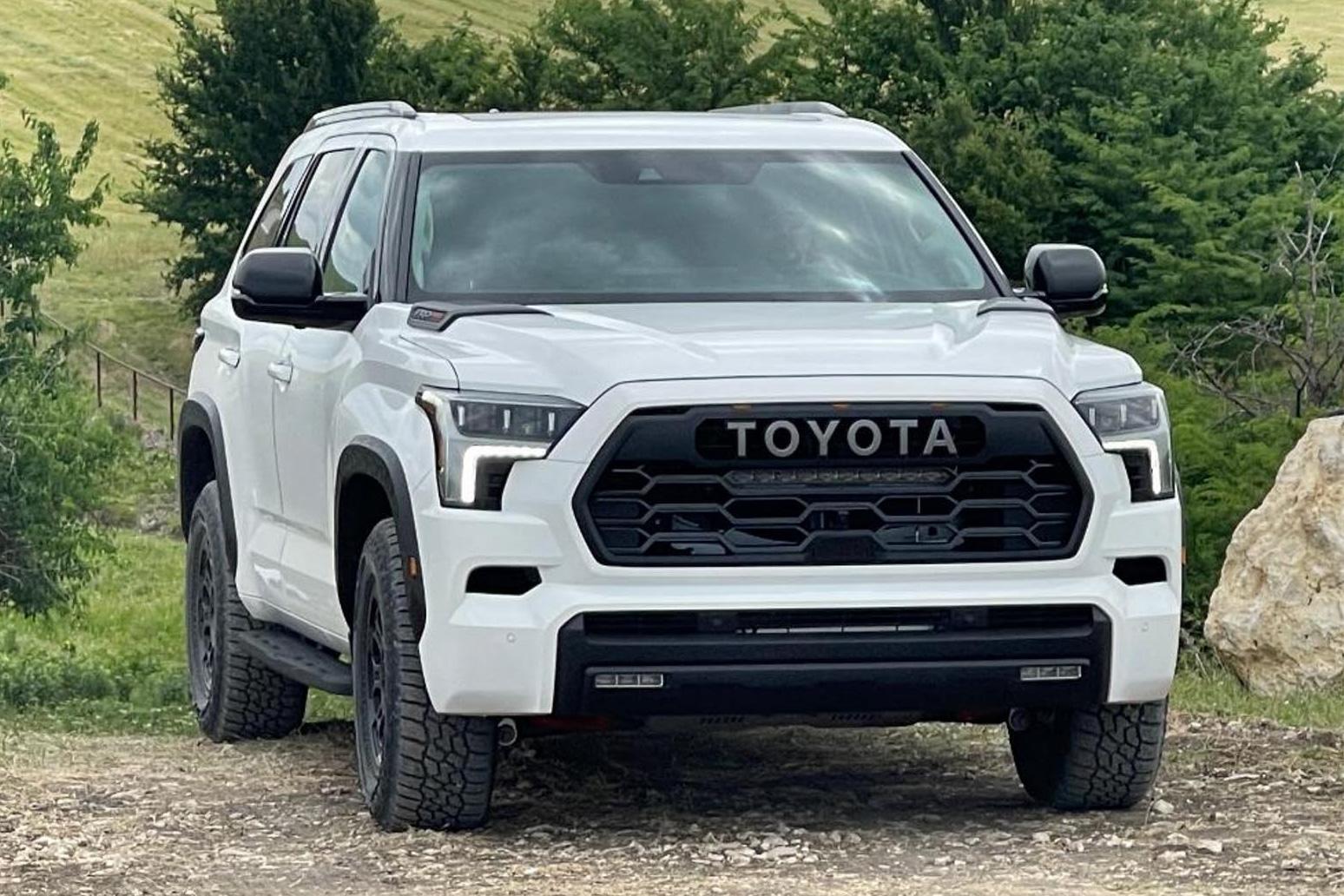
When it comes to finding the perfect SUV that doesn’t compromise on fuel efficiency, there are numerous options tailored for various lifestyles. Compact and city-friendly models are perfect for urban dwellers who need agility and parking ease without skimping on space. Options like the Honda HR-V and Mazda CX-30 not only boast impressive gas mileage but also offer modern designs and tech-savvy interiors that make city driving a breeze. On the other hand, hybrid SUVs such as the Toyota RAV4 Hybrid and Ford Escape Hybrid blend the benefits of an eco-friendly engine with ample cargo space, making them ideal for families on the go or outdoor enthusiasts looking to minimize their carbon footprint.
For those seeking a larger SUV with room for passengers and gear, options like the Subaru Ascent stand out with their impressive fuel economy and all-wheel-drive capabilities. Additionally, luxury SUVs aren’t left out of the fuel-efficient race. Sleek models like the Lexus NX and BMW X5 offer a perfect blend of performance, elegance, and eco-conscious engineering. Here’s a quick comparison of these top picks:
| Model | Fuel Economy (MPG) | Key Features |
|---|---|---|
| Honda HR-V | 28/34 | Compact, User-Friendly Tech |
| Toyota RAV4 Hybrid | 41/38 | Spacious, Eco-Friendly |
| Subaru Ascent | 21/27 | All-Wheel Drive, Family Friendly |
| Lexus NX | 33/30 | Luxury, Advanced Safety |

Tips for Maximizing Fuel Economy in Your SUV
To enhance your SUV’s fuel efficiency, start by ensuring that your tires are properly inflated. Under-inflated tires can increase rolling resistance, leading to unnecessary fuel consumption. Regularly check tire pressure and alignments, and consider rotating your tires every 5,000 to 7,500 miles for optimal performance. Additionally, minimize the weight of your vehicle by removing any unnecessary cargo. Every extra pound can impact your fuel economy, so keep your SUV lean and mean.
Another effective way to improve gas mileage is by adopting mindful driving habits. Accelerate smoothly and maintain a steady speed as much as possible. Frequent braking and rapid acceleration can significantly lower your MPG. Using cruise control on highways can help you maintain a constant speed. Furthermore, reduce idling time; turning off your engine when parked or waiting can save you fuel. Lastly, consider limiting the use of air conditioning, as it can put an extra strain on your engine and decrease fuel efficiency.
Q&A
Q: What is considered good gas mileage for SUVs?
A: Generally, SUVs that achieve over 25 miles per gallon (mpg) on the highway are considered to have good gas mileage. However, with advancements in technology and hybrid models, some SUVs can reach even higher figures, making them more fuel-efficient options.
Q: Why is fuel efficiency important when choosing an SUV?
A: Fuel efficiency is crucial because it helps reduce overall fuel costs, minimizes environmental impact by lowering greenhouse gas emissions, and often enhances the driving experience by improving performance. With rising gas prices, choosing an SUV with good gas mileage can lead to substantial savings over time.
Q: What type of SUVs usually offers the best gas mileage?
A: Generally, smaller SUVs, crossovers, and hybrid or electric models tend to offer better gas mileage. Compact SUVs, in particular, have gained popularity for their balance of space and efficiency, while hybrid options use electric power to significantly improve fuel economy.
Q: Can you recommend some specific SUVs that excel in fuel efficiency?
A: Absolutely! Some top picks for fuel-efficient SUVs include:
– Toyota RAV4 Hybrid: Known for its reliability and excellent fuel economy, averaging around 40 mpg combined.
– Honda CR-V Hybrid: Offers a spacious interior and achieves approximately 38 mpg combined.
– Ford Escape Hybrid: This model combines versatility with fuel efficiency, boasting around 41 mpg in the city and 37 mpg on the highway.
– Subaru Crosstrek Hybrid: Perfect for adventure seekers, this SUV averages around 90 MPGe due to its plug-in hybrid capability.
– Kia Niro: A subcompact SUV that provides impressive fuel economy, with an average of about 50 mpg combined.
Q: Are hybrid SUVs the only option for good gas mileage?
A: Not at all! While hybrid SUVs are excellent for fuel efficiency, there are also traditional gasoline-powered models that perform well. Look for compact and midsize SUVs with efficient engines and advanced engineering that enhances fuel-saving capabilities, such as turbocharged engines and active aerodynamics.
Q: How can I improve the fuel efficiency of my SUV?
A: You can boost your SUV’s fuel efficiency by:
– Keeping your tires properly inflated.
– Regular vehicle maintenance, including timely oil changes.
– Reducing excess weight by removing unnecessary items from your vehicle.
– Driving smoothly, avoiding rapid accelerations and hard braking.
- Using cruise control on highways to maintain a steady speed.
Q: Are there any downsides to choosing a fuel-efficient SUV?
A: While fuel-efficient SUVs offer many benefits, they may sometimes have less powerful engines compared to their less efficient counterparts, which can affect acceleration and towing capacity. Additionally, hybrid vehicles may have higher upfront costs, though they often save you money in the long run through fuel savings.
Q: How do I choose the right fuel-efficient SUV for my needs?
A: Consider your lifestyle and needs first. Think about how many passengers you typically carry, your daily driving habits, and whether you require any specific features like off-road capability. Narrow down your options by determining your budget and test-driving several models to see which one feels right for you!
Q: Where can I find more information on fuel-efficient SUVs?
A: You can find more information through automotive websites, consumer reports, and manufacturer’s websites. Local dealerships often provide insights and comparisons of different models too, so don’t hesitate to ask questions when visiting!
Future Outlook
finding the right SUV that balances fuel efficiency with the versatility and comfort many drivers seek doesn’t have to be a daunting task. With the models highlighted in this article, you can enjoy the spaciousness and capability of an SUV without compromising on fuel savings. Whether you prioritize hybrid technology, smart engineering, or advanced aerodynamics, there’s an option that suits your lifestyle and budget.
As fuel prices fluctuate and environmental concerns grow, choosing an SUV with good gas mileage is not just a smart financial decision; it also contributes to a more sustainable future. We hope this list has provided you with valuable insights and inspiration as you navigate the options available in the market. Happy driving, and may your next adventure be both economical and enjoyable!