As electric vehicles gain popularity, many prospective owners are eager to understand the costs associated with charging their new rides, particularly when it comes to Tesla—the brand that has become synonymous with modern electric driving. If you’re considering making the switch to a Tesla or have already joined the growing community of EV enthusiasts, you might be wondering: just how much does it really cost to charge a Tesla?
In this article, we’ll provide a comprehensive breakdown of the factors that influence your charging expenses, from home charging setup to public charging options, as well as tips to help you optimize your charging costs. So, whether you’re looking to crunch the numbers before purchasing or simply want to understand your current expenses better, you’re in the right place. Let’s dive in and demystify the costs of fueling your Tesla!
Table of Contents
- Understanding the Basics of Tesla Charging Costs
- Evaluating Home Charging Options and Expenses
- Exploring Public Charging Networks and Their Fees
- Tips for Reducing Your Overall Charging Costs
- Q&A
- Wrapping Up
Understanding the Basics of Tesla Charging Costs
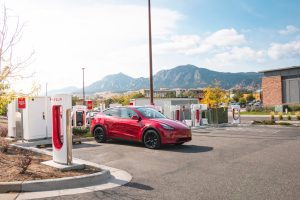
Charging a Tesla can vary significantly based on several factors, including where you charge and the type of plan you choose. Generally, there are three primary options for charging your Tesla: at home, at public charging stations, and at Tesla Superchargers. Each option comes with its own cost implications. For instance, charging at home typically involves the cost of your electricity bill, which can range from $0.10 to $0.30 per kWh depending on your local rates. By understanding your electricity plan and peak usage times, you can optimize your charging schedule to save money.
Public charging stations usually charge a fee that can either be pay-per-use or through a subscription model. Here’s a quick breakdown of the typical costs associated:
| Charging Type | Cost per kWh |
|---|---|
| Home Charging | $0.10 – $0.30 |
| Public Charging Stations | $0.20 – $0.50 |
| Tesla Superchargers | $0.25 – $0.65 |
Additionally, Tesla’s Supercharger network provides an ultra-fast charging option, but these stations tend to be on the pricier side. Factors such as charging speed and convenience play a crucial role in determining which option is best for your needs. By evaluating the various methods, you can effectively manage your Tesla charging costs and make informed decisions for your driving habits.
Evaluating Home Charging Options and Expenses
When it comes to charging your Tesla at home, there are several factors to consider that can significantly influence your expenses. The primary determinant is your electricity rate, which varies by region and provider. A good understanding of your local utility rates, particularly during peak and off-peak hours, can help you strategize your charging habits. For example, charging your vehicle overnight when rates are typically lower can lead to substantial savings. Additionally, the type of charger you use will impact your overall expense. Options range from standard wall outlets to Level 2 home charging stations, each with varying installation costs and efficiency rates. More efficient chargers tend to shorten charging times, potentially allowing you to take advantage of those lower rates more effectively.
To give you a clearer picture, let’s break down some potential costs associated with home charging:
| Cost Factor | Estimated Cost |
|---|---|
| Charger Installation (Level 2) | $500 – $2,000 |
| Electricity Cost per kWh | $0.10 – $0.30 |
| Monthly Charging Cost (based on 200 miles/week) | $30 – $60 |
By calculating these expenses, you can create a more accurate budget for your electric vehicle. Remember to factor in potential incentives or rebates for EV charger installations, as many local governments aim to promote green energy usage. Additionally, staying informed about any changes to utility rates, especially those aimed at incentivizing EV adoption, can lead to even more savings over time.
Exploring Public Charging Networks and Their Fees
As electric vehicles (EVs) gain popularity, public charging networks are becoming increasingly essential for drivers on the go. These networks vary significantly in terms of availability, charging speed, and associated fees. Major providers such as ChargePoint, Electrify America, and EVgo offer a mix of fast chargers and level 2 chargers, catering to different needs. Depending on the location and type of charger, fees can range from free options provided by retailers to pay-per-use pricing structures that could include:
- Time-based fees: Charges per minute of usage.
- Session fees: A flat rate for the charging session.
- Energy fees: Costs per kWh of electricity consumed.
Understanding the fees associated with public charging can help Tesla owners manage their charging costs effectively. Some networks also offer membership plans that provide lower rates, making frequent use more economical. The following table summarizes the typical costs associated with different public charging networks:
| Charging Network | Typical Cost per kWh | Membership Fee |
|---|---|---|
| ChargePoint | $0.10 – $0.40 | Optional, varies by location |
| Electrify America | $0.30 – $0.43 | $4.00/month for discounts |
| EVgo | $0.20 – $0.25 | Optional, varies by plan |
Tips for Reducing Your Overall Charging Costs
To keep your charging costs manageable, consider implementing these practical strategies. First, take advantage of off-peak charging rates offered by many utility companies. Charging your Tesla during nighttime hours or on weekends can significantly lower your expenses. Additionally, using a home charging station can help you target these lower rates and enhance convenience.
Another effective way to reduce costs is to utilize public charging resources wisely. Many locations offer free or discounted charging, so do a little research to find options near your daily routes. Furthermore, monitoring your Tesla’s charging habits through the app allows you to practice better energy management, such as adjusting the charging limit or scheduling charging times. By following these simple tips, you can enjoy the benefits of electric driving without breaking the bank.
Q&A
Q&A:
Q1: How much does it typically cost to charge a Tesla?
A1: The cost to charge a Tesla varies based on several factors, including your local electricity rates, the model of your Tesla, and how you charge it (home charging vs. supercharging). On average, it can cost anywhere from $5 to $15 for a full charge, depending on current electricity prices and battery size.
Q2: What are the main factors that influence charging costs?
A2: The primary factors include:
- Electricity Rates: Local utility rates can greatly impact costs. Charging at night during off-peak hours may be cheaper than during the day.
- Battery Size: Different Tesla models have varying battery capacities, which affects the overall cost.
- Charging Method: Home charging is often more economical than using public superchargers, which may charge higher rates.
Q3: How do I calculate the cost of charging my Tesla at home?
A3: To calculate the cost, you can use this simple formula:
- Determine your Tesla’s battery capacity (in kilowatt-hours, kWh). For example, the Model 3 has a capacity of about 75 kWh.
- Check your local electricity rate (e.g., $0.12 per kWh).
- Multiply the battery capacity by the electricity rate:
[ text{Cost} = text{Battery Capacity} times text{Electricity Rate} ]
For our example:
[ 75 text{ kWh} times 0.12 text{ USD/kWh} = 9 text{ USD} ]
Q4: Are there any additional costs associated with charging a Tesla?
A4: Yes, there may be additional costs such as installation fees for a home charging station, if you choose to install one. Some utilities may even have special programs for EV owners that offer rebates or incentives. Additionally, when using superchargers, be aware of potential idle fees if you leave your car parked at the station after charging.
Q5: How does charging at a Supercharger compare to charging at home?
A5: Charging at a Supercharger is typically faster—it can charge your Tesla to 80% in about 30 minutes—but it is often more expensive than charging at home. Supercharger costs can vary by location and may be based on the amount of electricity used or time spent charging, averaging about $0.25 to $0.40 per kWh.
Q6: Is it more cost-effective to charge during the day or night?
A6: Charging your Tesla at night, during off-peak hours, is usually more cost-effective if your utility offers lower rates during that time. Many Tesla owners take advantage of time-of-use rates to significantly decrease their charging costs.
Q7: Can I save money on charging costs with renewable energy?
A7: Absolutely! If you install solar panels at home, you can significantly reduce your charging expenses by utilizing the electricity generated from the sun. Many Tesla owners find that this option not only saves money but also aligns with their sustainability goals.
Q8: What tips can you give for managing charging costs?
A8: Here are some handy tips:
- Charge at Home: Take advantage of lower electricity rates at home.
- Use Off-Peak Charging: Charge during off-peak hours to save on costs.
- Monitor Your Usage: Keep track of your monthly charging costs to identify any patterns and adjust usage if needed.
- Explore Incentives: Look into local incentives for electric vehicle charging.
If you’re thinking about purchasing a Tesla or already own one, understanding the costs associated with charging can help you budget effectively and make the most of your electric vehicle experience!
Wrapping Up
understanding the costs associated with charging a Tesla can help you make informed decisions about your electric vehicle ownership. From home charging setups to public charging stations, several factors influence your overall expenses, including energy rates, charging speeds, and your driving habits. By taking advantage of off-peak rates and being mindful of your charging locations, you can maximize savings while enjoying the convenience and benefits of electric driving.
As you embark on your Tesla journey, remember that the investment in an electric vehicle not only offers potential cost savings but also contributes to a more sustainable future. We hope this complete breakdown has provided you with valuable insights and helped clarify any questions you may have had. Happy charging, and enjoy the ride!