
When it comes to iconic American muscle cars, few vehicles evoke the same level of passion and excitement as the Dodge Charger. Known for its bold design, powerful performance, and rich history, the Charger has carved out a special place in the hearts of car enthusiasts and casual drivers alike. But beyond its striking aesthetics and heart-pounding engine options, there’s a key aspect that often gets overlooked: its weight. Understanding how much a Dodge Charger weighs is essential for potential buyers, performance aficionados, and anyone curious about the vehicle’s capabilities.
In this article, we’ll dive into the various specifications and details surrounding the weight of the Dodge Charger, exploring how it impacts performance, fuel efficiency, and overall driving experience. Whether you’re considering purchasing one or simply want to satisfy your curiosity, we’ve got you covered with all the essential information you need about this legendary car.
Table of Contents
- Understanding the Weight of the Dodge Charger for Optimal Performance
- The Impact of Weight on Fuel Efficiency and Handling
- Comparing Different Dodge Charger Models and Their Weights
- Choosing the Right Charger for Your Lifestyle and Driving Needs
- Q&A
- To Wrap It Up

Understanding the Weight of the Dodge Charger for Optimal Performance
The weight of the Dodge Charger plays a pivotal role in its overall performance, influencing factors such as acceleration, handling, and fuel efficiency. Typically, the Charger’s curb weight ranges from 3,500 to 4,200 pounds, depending on the model and features. Heavier models, often equipped with more powerful engines and additional technology, may experience a slight dip in agility but offer a more stable ride at high speeds. It’s essential for enthusiasts to understand how the weight distribution impacts driving dynamics, especially during sharp turns and sudden stops.
To optimize performance, it’s beneficial to consider some modifications or maintenance that can help manage the vehicle’s weight effectively. Here are a few practical suggestions:
- Lightweight Wheels: Swapping out factory wheels for lightweight alternatives can reduce unsprung mass.
- Weight Reduction: Removing unnecessary components or opting for a more minimalist interior can enhance acceleration.
- Tuning and Adjustments: Properly tuning the suspension can improve the handling characteristics, making the Charger feel more responsive.
Understanding your Dodge Charger’s weight is an essential step toward maximizing its potential on the road. Below is a simple breakdown of the different Charger trims and their corresponding weights:
| Model Trim | Curb Weight (lbs) |
|---|---|
| Charger SXT | 3,500 |
| Charger R/T | 3,900 |
| Charger Scat Pack | 4,200 |
| Charger Hellcat | 4,500 |
The Impact of Weight on Fuel Efficiency and Handling
The weight of a vehicle plays a crucial role in determining both fuel efficiency and handling dynamics. Heavier cars, such as the Dodge Charger, can experience increased rolling resistance and require more power to reach and maintain speed. This translates directly to lower fuel efficiency. In contrast, lighter vehicles typically demonstrate better fuel economy due to reduced energy demand. Factors that influence fuel efficiency include:
- Engine load: Heavier vehicles exert more strain on the engine, leading to higher fuel consumption.
- Aerodynamics: While weight is significant, the shape of the vehicle also plays a role; a streamlined design can mitigate some efficiency losses.
- Driving conditions: Stop-and-go traffic can disproportionately affect heavier cars, further diminishing fuel economy.
Handling is another critical aspect affected by weight. A heavier vehicle like the Charger is often perceived as stable at high speeds but can be less agile during sharp turns or sudden maneuvers. This is due to the increased inertia that a heavier vehicle carries. On the flip side, lighter cars can respond more readily to driver inputs, enhancing cornering ability. Key considerations regarding handling include:
- Center of gravity: Heavier vehicles may have a higher center of gravity, leading to a greater likelihood of body roll.
- Tire contact: The weight distribution affects tire grip, influencing overall performance during acceleration and braking.
- Suspension tuning: Heavier cars often require stiffer suspension systems to manage their weight effectively.
| Vehicle Spec | Dodge Charger |
|---|---|
| Base Weight | 3,500 lbs |
| Fuel Economy (City) | 19 MPG |
| Fuel Economy (Highway) | 30 MPG |
| Horsepower | 292-807 HP |
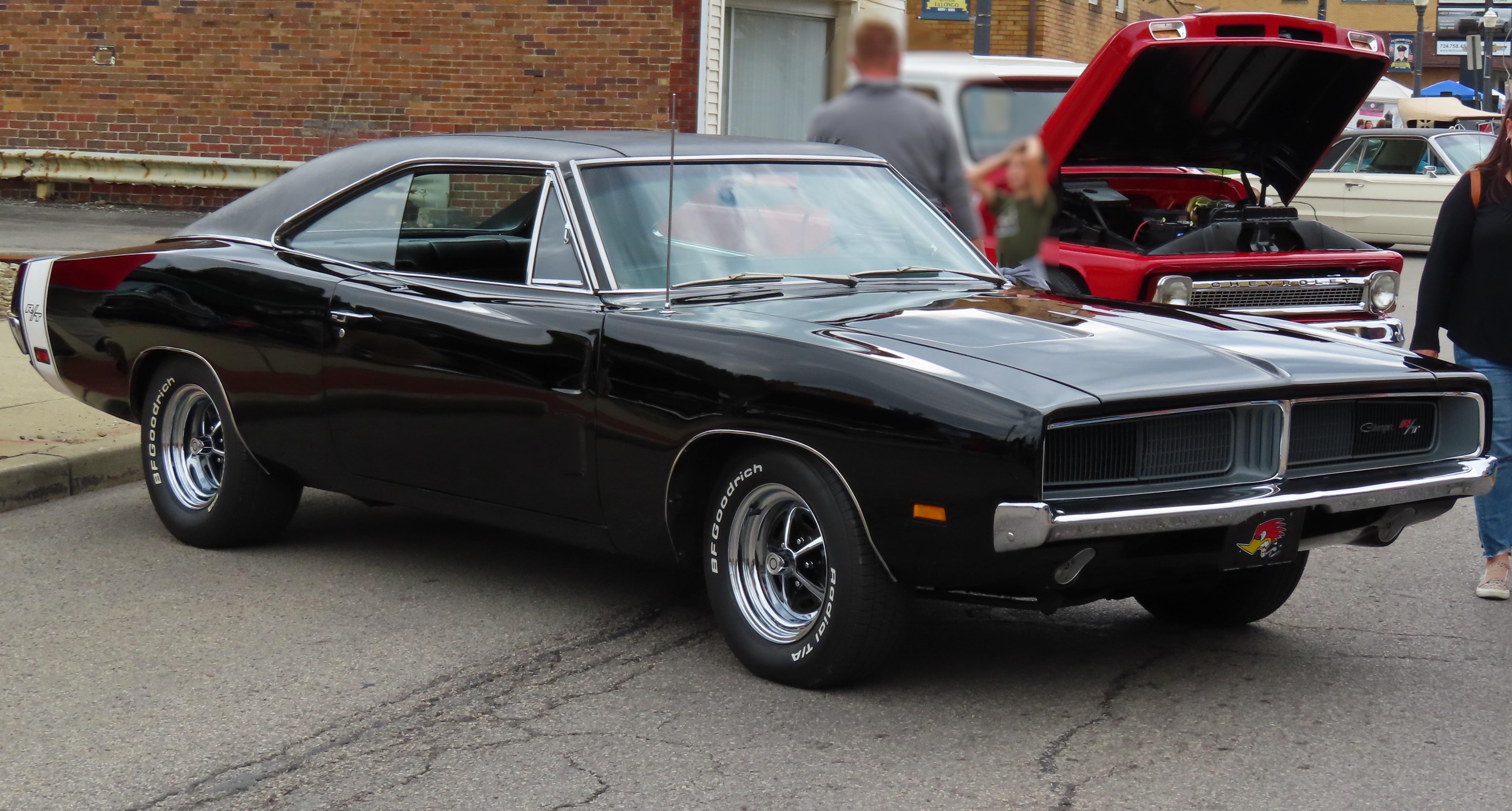
Comparing Different Dodge Charger Models and Their Weights
The Dodge Charger lineup offers a variety of models, each with unique features and specifications that also influence their overall weight. Material choices, engine options, and technological enhancements all play a significant role in determining how much each Charger weighs. Here’s a quick overview of some popular models and their approximate weights:
| Model | Engine Type | Approximate Weight |
|---|---|---|
| Charger SXT | 3.6L V6 | 3,895 lbs |
| Charger R/T | 5.7L V8 | 4,200 lbs |
| Charger Scat Pack | 6.4L V8 | 4,300 lbs |
| Charger Hellcat | 6.2L Supercharged V8 | 4,600 lbs |
The differences in weight among these models can significantly impact their driving characteristics and performance. For instance, the Charger SXT, with its lighter V6 engine, offers nimble handling and better fuel efficiency, making it a preferable choice for daily commuting. On the other hand, the Charger Hellcat, loaded with a powerful supercharged engine, presents a thrilling driving experience but comes with the trade-off of being heavier, which may affect its agility on tight corners. It’s essential to consider how these weights align with your driving style and needs when choosing between these fantastic models.

Choosing the Right Charger for Your Lifestyle and Driving Needs
When it comes to finding a charger that fits seamlessly into your daily routine, it’s essential to consider your specific lifestyle and driving habits. For those who frequently commute or embark on long road trips, a fast-charging option can significantly reduce downtime. Look for chargers that offer high wattage outputs to quickly get your vehicle back on the road. Additionally, for urban dwellers who rely on public charging stations, a lightweight and portable charger can be a game-changer, making it easy to carry and use on-the-go.
Families or individuals who prioritize convenience may benefit from a smart charger equipped with features such as app connectivity and usage tracking. These chargers often come with the ability to schedule charging times, allowing you to take advantage of lower electricity rates during off-peak hours. Consider also your vehicle’s energy efficiency and battery size; understanding these parameters can guide you in choosing a charger that maximizes your driving experience. Remember to keep an eye out for safety features, such as overcharging protection and temperature control, which can provide added peace of mind for everyday use.
Q&A
Q&A:
Q: What is the average weight of a Dodge Charger?
A: The weight of a Dodge Charger varies depending on the model year and trim level. On average, the weight ranges from about 3,500 pounds for the base models to over 4,200 pounds for higher-performance variants like the Charger SRT Hellcat.
Q: What factors influence the weight of the Dodge Charger?
A: Several factors contribute to the weight of a Dodge Charger, including the engine type, the drivetrain (RWD or AWD), and additional features or options that may be included with specific trims. Higher-performance models typically have added components that increase weight, such as larger brakes and performance-tuned suspensions.
Q: Are there notable weight differences between the various Charger trims?
A: Yes, there are significant weight differences between the trims. For instance, the Charger SXT, which features a V6 engine, weighs less than the Charger R/T and Charger Scat Pack models, which are equipped with V8 engines. The SRT Hellcat, with its powerful supercharged V8, is the heaviest in the lineup due to reinforced chassis components and extra performance features.
Q: How does the weight of the Dodge Charger affect its performance?
A: Weight plays a crucial role in a vehicle’s handling, acceleration, and braking. A lighter car will generally accelerate quicker and handle better than a heavier one, but with the Charger, the powerful engines often compensate for the added weight. The performance-tuned variants like the Scat Pack and Hellcat balance weight with raw horsepower, providing a thrilling driving experience.
Q: What should potential buyers consider regarding the weight of the Dodge Charger?
A: Potential buyers should consider how the Charger’s weight will affect their driving experience and the conditions in which they plan to drive. For example, a heavier vehicle might perform differently in terms of fuel efficiency, handling, and tire wear. If you’re interested in spirited driving or frequent track days, you may want to pay attention to the performance capabilities associated with each model’s weight.
Q: Does the weight of the Dodge Charger impact fuel efficiency?
A: Yes, weight can impact fuel efficiency. Heavier vehicles typically consume more fuel, especially in stop-and-go traffic or during aggressive driving. The V6 models of the Charger tend to offer better fuel economy compared to the V8 models, as they weigh less and have smaller engines.
Q: Are there any special considerations for safety based on the Charger’s weight?
A: Generally, heavier vehicles can offer advantages in crash protection simply because they may absorb energy better in a collision. That said, safety ratings also depend on design features and crash-testing performance, not just weight. The Dodge Charger has been equipped with a variety of safety features to enhance occupant protection.
Q: Where can I find the official specs for different Dodge Charger models?
A: Official specifications for different Dodge Charger models can be found on the Dodge website or in the owner’s manual for each vehicle. You can also explore automotive review sites and publications that provide detailed specifications and comparisons for various trims and model years.
Q: Is the Dodge Charger a suitable car for everyday use considering its weight?
A: Absolutely! The Dodge Charger is designed to be versatile, offering a spacious interior, comfortable ride quality, and ample trunk space. While its weight may be higher than some sedans, it is still dynamic and practical for daily commuting, family use, or even spirited weekend driving.
Q: What is the best way to learn more about the Dodge Charger’s performance and specifications?
A: The best way to learn more is to visit local dealerships for test drives, speak to current owners, and explore online forums and communities dedicated to the Dodge Charger. Engaging with other enthusiasts and reading reviews can also provide valuable insights into the performance and specifications of different models.
To Wrap It Up
understanding the weight of the Dodge Charger is essential for both potential buyers and automotive enthusiasts alike. With figures ranging from approximately 3,500 to 4,200 pounds, depending on the model and trim, this iconic muscle car not only delivers impressive performance but also showcases a solid build designed for stability and control.
Knowing the weight specifics can aid in appreciating how the Charger handles on the road, and it plays a crucial role in factors such as fuel efficiency, acceleration, and overall driving experience. Whether you’re considering a Charger for daily commutes or weekend adventures, its blend of power and agility makes it a remarkable choice in the automotive world.
We hope this article has provided clarity on the weight specifications and details of the Dodge Charger. If you have any more questions or need further information, feel free to reach out! Safe driving and happy cruising!