When it comes to driving safely and efficiently, the type of tires on your vehicle plays an essential role. While many drivers may rely on all-season tires for convenience, selecting the appropriate seasonal tires can significantly improve your driving experience, safety, and performance in various conditions. From the scorching heat of summer to icy winter roads, using the correct seasonal tires ensures that your vehicle is well-equipped to handle whatever nature throws your way.
This article will guide you through the importance of selecting the right seasonal tires, how each type performs in specific weather conditions, and why making the right choice matters.
What Are Seasonal Tires?
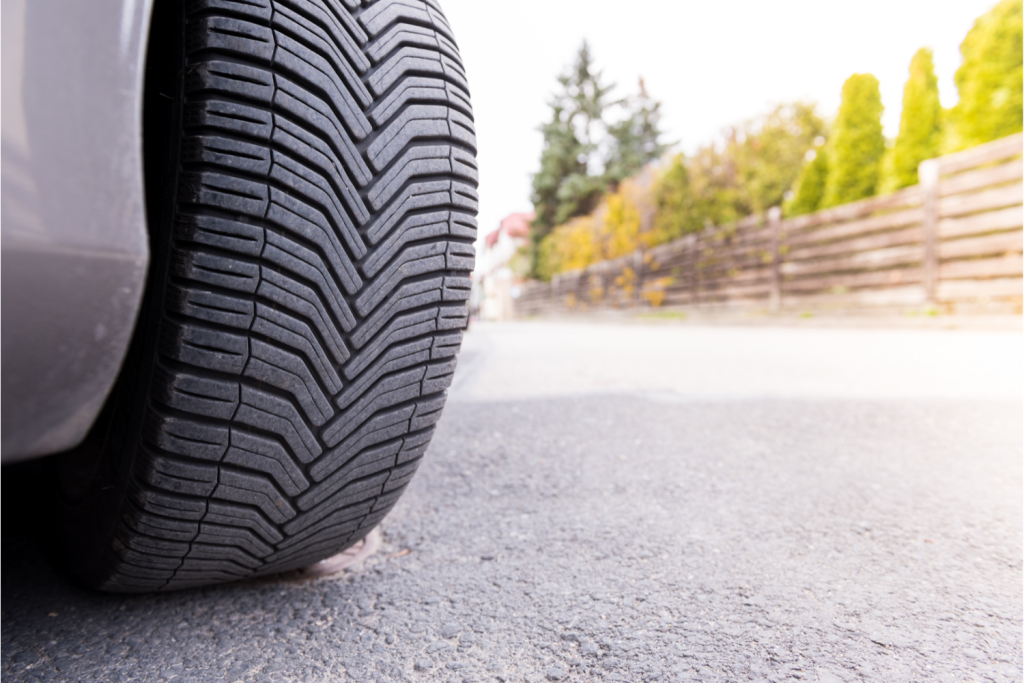
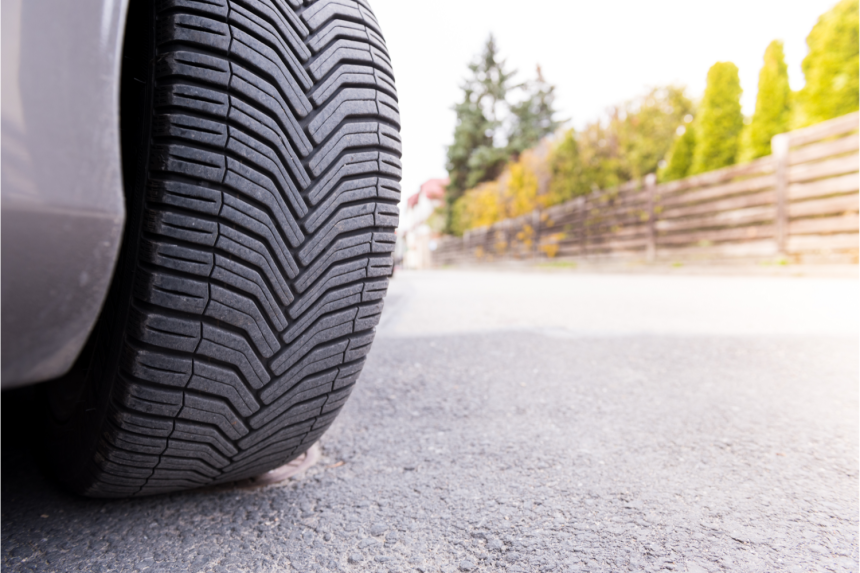
Seasonal tires are specifically designed to perform optimally in particular weather conditions. Unlike all-season tires that aim to be versatile across a range of environments, seasonal tires are created with materials, tread patterns, and features tailored to one particular climate. By using seasonal tires, drivers can enjoy enhanced safety, better traction, and improved handling in extreme temperatures or weather events.
There are primarily three categories of seasonal tires: winter tires, summer tires, and all-season tires. While all-season tires might seem convenient, they do not always provide the level of performance that specialized seasonal tires can offer in challenging conditions.
Winter Tires: Built for Icy Roads
Winter driving conditions present unique challenges, especially when it comes to icy roads, snow, and freezing temperatures. Winter tires are specifically engineered for these conditions, providing maximum traction, stability, and control when temperatures drop below 45°F (7°C). The materials used in winter tires are softer and more flexible, allowing the tire to maintain better contact with cold pavement. The deeper, more aggressive tread patterns on winter tires also help to push snow and slush out from under the tire, preventing loss of traction.
When temperatures fall and road surfaces become slick, selecting winter seasonal tires ensures that your vehicle can handle sudden stops, turns, and potential skidding more effectively. Winter tires provide the peace of mind needed for driving in some of the most dangerous road conditions, significantly reducing the risk of accidents during snowy or icy weather.
Summer Tires: Designed for Heat and Performance
On the opposite end of the spectrum are summer tires. Designed for warmer conditions, summer tires excel in both dry and wet conditions when temperatures rise above 45°F. Made from a harder rubber compound compared to winter tires, summer tires provide excellent grip on hot, dry roads. They also feature shallow tread patterns that enhance road contact, improving the vehicle’s handling and responsiveness.
Summer tires also offer superior performance in wet conditions during heavy rain. Their tread patterns are designed to quickly channel water away, minimizing the risk of hydroplaning. For drivers who live in areas where summers are long and hot, selecting summer seasonal tires can provide optimal performance, better fuel efficiency, and a smoother ride.
All-Season Tires: A Convenient Compromise?
Many drivers opt for all-season tires due to their versatility, but while they offer convenience, they do not necessarily excel in extreme conditions. All-season tires are designed to handle a variety of weather types, including light snow and rain, but they are not specialized for severe winter or high-performance summer driving.
If you live in a region with moderate weather year-round, all-season tires might be a suitable option. However, for drivers who experience significant seasonal changes, switching between winter and summer seasonal tires is often the smarter choice. All-season tires provide adequate performance, but they lack the specialized features of both summer and winter tires. Therefore, if you want the best performance and safety for extreme climates, selecting seasonal tires is the optimal decision.
The Benefits of Rotating Seasonal Tires
Once you’ve made the decision to invest in seasonal tires, it’s important to maintain them properly by rotating them with the changing seasons. Rotating your seasonal tires not only extends their lifespan but also ensures that they continue to perform at their peak. Regularly switching between winter and summer tires helps to distribute wear evenly and prevents one set from wearing down prematurely. Proper storage during off-seasons is also crucial, as keeping seasonal tires in a cool, dry place can preserve their rubber and overall condition.
In addition to rotating seasonal tires, it’s also essential to regularly check tire pressure and alignment. The correct pressure ensures that your tires provide the best grip and fuel efficiency possible, while proper alignment prevents uneven wear.
Choosing Seasonal Tires for Your Region
The type of tires you choose should depend on the specific weather conditions you encounter most frequently in your region. Understanding your local climate can guide you in selecting the right tires to ensure optimal safety and performance year-round.
For regions that experience heavy snowfall and long winters, selecting a high-quality set of winter seasonal tires is critical. These tires will provide the necessary grip and control on snow-covered or icy roads, significantly reducing the risk of accidents. On the other hand, if you live in a region with long, hot summers, summer tires are the ideal choice for improving fuel efficiency, road grip, and overall performance on warm, dry roads.
If your region experiences mild weather year-round, you might find all-season tires to be a suitable compromise. However, if your climate fluctuates dramatically, investing in both summer and winter seasonal tires will provide you with the confidence and safety you need during extreme weather.
The Cost Factor: Are Seasonal Tires Worth It?
One of the primary concerns for many drivers is the cost associated with purchasing two sets of tires. While it may seem more expensive upfront, investing in seasonal tires can actually save you money in the long run. By selecting the right tires for each season, you’re extending the life of both sets, as each tire only faces wear during its respective season. In contrast, all-season tires experience wear year-round and may require replacement sooner.
Moreover, the enhanced safety and performance offered by seasonal tires cannot be overlooked. Reduced risk of accidents, improved vehicle handling, and better fuel efficiency are all factors that add long-term value to your investment. The cost of accidents or vehicle repairs due to poor tire performance in extreme conditions far outweighs the initial investment in quality seasonal tires.
The Impact of Tire Technology on Seasonal Tires
In recent years, advancements in tire technology have significantly improved the performance of seasonal tires. Manufacturers are constantly developing new rubber compounds, innovative tread patterns, and enhanced materials that allow seasonal tires to perform even better in extreme weather conditions. Whether it’s winter tires designed for better grip on ice or summer tires built for optimal road contact, modern technology has made seasonal tires an even smarter choice for drivers looking for performance and safety.
Additionally, tire technologies such as self-sealing compounds and run-flat capabilities are becoming more common in seasonal tires. These features provide additional convenience and peace of mind for drivers, especially during long trips or when driving in remote areas where immediate assistance may not be available.
Safety Above All
No matter where you live or what kind of driving you do, safety should always be your top priority. Choosing the right tires for your vehicle ensures that you have the traction and control needed to navigate varying road conditions safely. It’s important to recognize that tires are the only part of your vehicle that comes in direct contact with the road. Selecting seasonal tires designed for specific weather conditions maximizes your control and ensures that you’re prepared for unexpected challenges on the road.
Whether it’s stopping on icy roads during winter or handling tight turns on hot summer pavement, seasonal tires provide the security you need. Investing in tires that are suited to the conditions you face helps keep both you and your passengers safe, no matter the weather.
Conclusion
Selecting the right seasonal tires is crucial for ensuring that your vehicle performs optimally in every weather condition. Whether you’re driving through icy winters or hot, dry summers, having the proper tires for the season can make all the difference. While all-season tires may offer convenience, specialized tires provide superior performance, better safety, and longer-lasting wear. Ultimately, investing in high-quality tires ensures that you’re ready for anything the road throws your way, enhancing your safety, fuel efficiency, and overall driving experience.