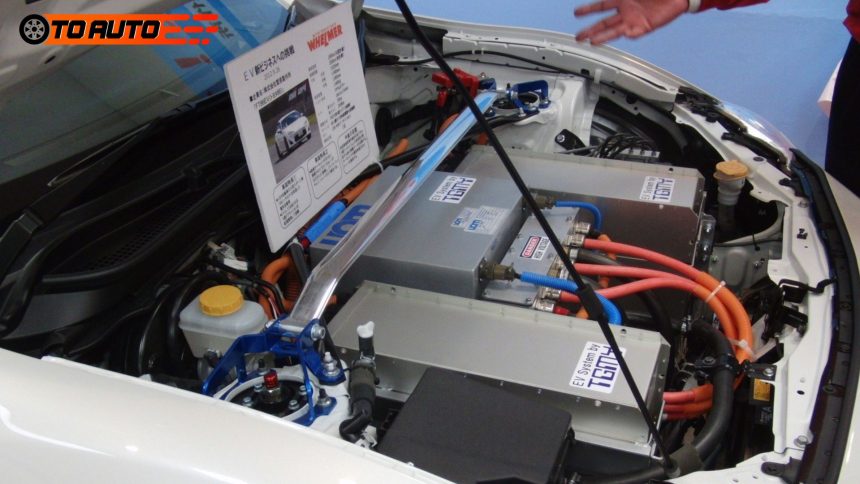
As electric vehicles (EVs) continue to gain popularity, the demand for sustainable solutions for EV batteries is becoming increasingly critical. While these batteries provide clean energy for cars, their eventual disposal raises environmental concerns. Fortunately, the industry is actively exploring innovative ways to give EV batteries a second life, ensuring that they contribute to a sustainable future even after they can no longer power vehicles efficiently. This article delves into the future of electric car battery recycling, examining how EV batteries can be repurposed and recycled to reduce waste and environmental impact.
Understanding the Lifespan of EV Batteries
The Decline of Battery Efficiency
EV batteries are designed to last for several years, typically between 8 to 15 years, depending on the model and usage patterns. However, over time, these batteries lose their ability to hold a charge as efficiently as they did when new. This decline in efficiency does not mean the battery is no longer usable, but rather that it no longer meets the rigorous demands of powering an electric vehicle. Once the battery’s capacity falls below a certain threshold, usually around 70-80%, it is often replaced in the vehicle to maintain optimal performance.
This natural degradation presents both challenges and opportunities. While the reduced efficiency may no longer be suitable for driving, EV batteries still have significant capacity left for other applications. Understanding this transition is key to unlocking the potential of these batteries beyond their primary use in vehicles.
Potential for Second Life Applications
The idea of giving EV batteries a second life is rooted in their residual capacity. Even after being retired from vehicular use, these batteries can still store and discharge energy efficiently. This opens up a range of possibilities for repurposing them in less demanding applications, such as stationary energy storage. By reusing these batteries, we can extend their useful life, delay the need for recycling, and reduce the overall environmental impact associated with their disposal.
Second-life applications for EV batteries are diverse, ranging from home energy storage systems to supporting renewable energy grids. These applications not only provide a sustainable solution for managing battery waste but also help meet the growing demand for energy storage solutions in an increasingly electrified world.
The Process of Recycling EV Batteries
Challenges in Battery Recycling
Recycling EV batteries presents unique challenges due to their complex composition. These batteries are made up of various materials, including lithium, cobalt, nickel, and manganese, which must be carefully extracted and processed. The recycling process is both labor-intensive and costly, requiring specialized equipment to safely disassemble the batteries and recover valuable materials.
One of the primary challenges in recycling EV batteries is the variation in battery chemistry and design across different manufacturers. This lack of standardization complicates the recycling process, as different types of batteries require different recycling methods. Additionally, the presence of hazardous materials, such as electrolytes and heavy metals, necessitates stringent safety protocols to prevent environmental contamination and ensure worker safety.
Innovations in Recycling Technologies
Despite these challenges, significant advancements are being made in the field of battery recycling. New technologies are being developed to improve the efficiency and cost-effectiveness of recycling processes, making it more feasible to recover valuable materials from EV batteries. For example, hydrometallurgical and pyrometallurgical processes are being refined to extract high-purity materials, which can then be reused in the production of new batteries.
One promising innovation is the development of closed-loop recycling systems, where the materials recovered from EV batteries are directly reused in the manufacturing of new batteries. This approach not only reduces the need for mining raw materials but also decreases the carbon footprint associated with battery production. As these technologies continue to evolve, they will play a crucial role in making electric vehicles more sustainable by ensuring that their batteries can be recycled and reused effectively.
Read More: How Using Electric Cars Can Benefit Your Commute
Second-Life Applications for EV Batteries
Home and Industrial Energy Storage
One of the most promising second-life applications for EV batteries is their use in home and industrial energy storage systems. As the world shifts towards renewable energy sources like solar and wind, there is a growing need for efficient energy storage solutions that can store excess energy generated during peak production times and release it when demand is high. EV batteries can be repurposed to provide this storage, helping to stabilize energy grids and reduce reliance on fossil fuels.
In residential settings, second-life EV batteries can be used in conjunction with solar panels to create off-grid energy systems, allowing homeowners to store solar energy during the day and use it at night. This not only reduces energy bills but also provides a backup power source in the event of grid outages. For industrial applications, these batteries can be used to store large amounts of energy, providing a cost-effective solution for managing energy demand and supply fluctuations.
Support for Renewable Energy Grids
The integration of EV batteries into renewable energy grids is another area where they can have a significant impact. As the demand for renewable energy grows, so does the need for reliable storage solutions that can ensure a steady supply of electricity even when the sun isn’t shining or the wind isn’t blowing. Second-life EV batteries can help meet this demand by providing grid-scale storage that can be deployed quickly and efficiently.
These batteries can be used to smooth out the variability of renewable energy sources, storing excess energy when production is high and releasing it when production is low. This not only helps to balance supply and demand but also reduces the need for backup power from fossil fuel plants, further enhancing the environmental benefits of renewable energy. The use of second-life EV batteries in this context is a win-win, offering a sustainable solution for managing energy storage while extending the life of valuable resources.
The Economic and Environmental Impact
Reducing Waste and Environmental Impact
Recycling and repurposing EV batteries have significant environmental benefits. By extending the life of these batteries through second-life applications, we can reduce the amount of waste sent to landfills and decrease the demand for new raw materials. This, in turn, helps to conserve natural resources and reduce the environmental impact of mining and battery production.
Moreover, the recycling of EV batteries helps to mitigate the environmental risks associated with improper disposal. Batteries that end up in landfills can leak hazardous materials into the soil and water, posing serious environmental and health risks. By ensuring that these batteries are properly recycled and repurposed, we can prevent these risks and contribute to a more sustainable waste management system.
Economic Opportunities and Job Creation
The recycling and repurposing of EV batteries also present significant economic opportunities. As the demand for electric vehicles continues to grow, so too does the need for sustainable battery management solutions. This has led to the emergence of new industries and job opportunities in the fields of battery recycling, refurbishment, and energy storage.
Investing in the development of advanced recycling technologies and second-life applications can create jobs in research, manufacturing, and installation, driving economic growth while supporting environmental sustainability. Additionally, by reducing the reliance on imported raw materials through effective recycling, countries can strengthen their energy independence and economic resilience.
The Future of EV Battery Recycling
Advancements in Battery Technology
As battery technology continues to evolve, so too will the methods for recycling and repurposing EV batteries. Future batteries are expected to be designed with recyclability in mind, incorporating standardized components and materials that can be more easily disassembled and recovered. This shift towards “design for recycling” will make the recycling process more efficient and cost-effective, further enhancing the sustainability of electric vehicles.
In addition to improvements in battery design, advancements in materials science could lead to the development of new battery chemistries that are less reliant on rare and hazardous materials. These next-generation batteries could offer longer lifespans, greater efficiency, and easier recycling, making them more sustainable from both an environmental and economic perspective.
Collaboration and Global Efforts
The successful recycling and repurposing of EV batteries will require collaboration across the entire supply chain, from manufacturers to recyclers to policymakers. Governments, industry leaders, and research institutions must work together to develop and implement effective recycling standards and regulations that ensure the safe and sustainable management of EV batteries.
Global efforts are already underway to establish standardized recycling practices and promote the circular economy in the automotive sector. By fostering collaboration and innovation, we can build a more sustainable future where EV batteries are not just a waste product, but a valuable resource that can be reused and recycled to benefit both the economy and the environment.
Conclusion
The future of EV batteries lies not only in their initial use but in the potential for a second life through recycling and repurposing. As the demand for electric vehicles continues to rise, finding sustainable solutions for managing used batteries is more important than ever. By exploring innovative second-life applications and advancing recycling technologies, we can extend the life of these batteries, reduce environmental impact, and create new economic opportunities. The continued development of these practices will be crucial in ensuring that EV batteries play a key role in the transition to a more sustainable and resilient energy future.