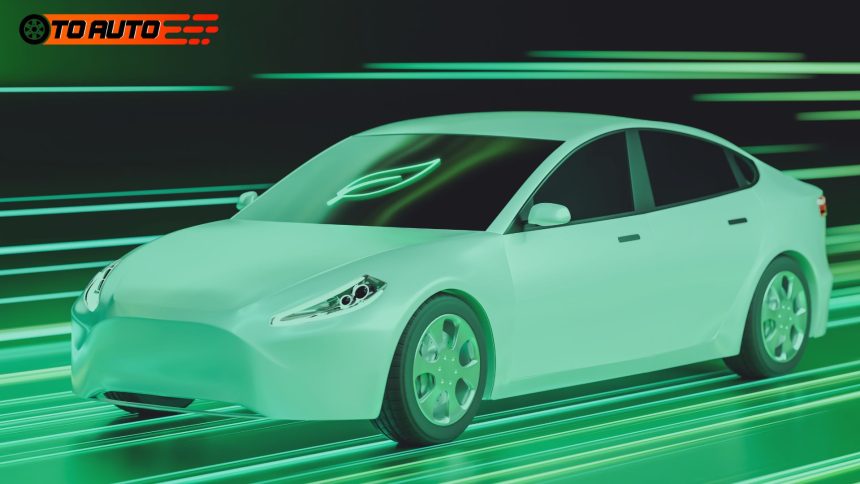
The world of electric vehicles (EVs) is rapidly evolving, with advancements in technology propelling us toward a more sustainable future. The electric car future promises vehicles that are not only environmentally friendly but also packed with innovative features that enhance efficiency, safety, and convenience. As automakers and tech companies push the boundaries of what electric vehicles can achieve, the next generation of clean energy vehicles is set to redefine the automotive landscape. This article explores the exciting electric car future and the technologies driving the upcoming wave of clean energy vehicles.
The Evolution of Electric Car Technology
From Concept to Reality: The Shift in Electric Vehicle Development
The journey of electric vehicles from concept to mainstream reality has been remarkable. Initially, EVs were seen as niche products, limited by range and infrastructure challenges. However, the electric car future is now characterized by rapid advancements that have transformed these vehicles into viable options for everyday consumers. Improvements in battery technology, charging infrastructure, and overall vehicle design have made EVs more practical and appealing than ever before.
The development of solid-state batteries, for example, is a key milestone in the electric car future. These batteries offer higher energy density, faster charging times, and improved safety compared to traditional lithium-ion batteries. As solid-state technology becomes more widespread, we can expect electric vehicles to travel longer distances on a single charge and charge more quickly, addressing two of the most significant barriers to widespread EV adoption.
The Role of Autonomous Driving in the Electric Car Future
Another crucial aspect of the electric car future is the integration of autonomous driving technology. As self-driving systems become more advanced, they are likely to be paired with electric vehicles, creating a synergy between clean energy and automated transportation. Autonomous electric vehicles (AEVs) are expected to reduce traffic congestion, lower accident rates, and optimize energy use through more efficient driving patterns.
Major automakers and tech companies are already testing and refining autonomous electric vehicles, with the goal of making them commercially available in the near future. The combination of electric propulsion and autonomous technology represents a significant leap forward in creating a sustainable and efficient transportation ecosystem.
Read More: Electric Car Motorsport is The New Big Thing
Breakthroughs in Battery Technology
Solid-State Batteries: The Next Big Leap
Solid-state batteries are poised to play a pivotal role in the electric car future. Unlike traditional lithium-ion batteries, which use liquid electrolytes, solid-state batteries use solid electrolytes, offering several advantages. These batteries are safer, less prone to overheating, and have a higher energy density, meaning they can store more energy in a smaller space. This translates to longer driving ranges and faster charging times for electric vehicles.
The introduction of solid-state batteries could dramatically change the landscape of the electric car future. With these batteries, EVs could become more practical for long-distance travel, making them a more attractive option for consumers. As research and development continue, we are likely to see solid-state batteries become a standard feature in next-generation electric vehicles, further enhancing their appeal.
Innovations in Battery Recycling
As the number of electric vehicles on the road increases, so does the need for efficient battery recycling solutions. The electric car future will depend on sustainable practices that address the environmental impact of battery production and disposal. Innovations in battery recycling are critical to minimizing waste and recovering valuable materials such as lithium, cobalt, and nickel.
New recycling technologies are being developed to improve the efficiency and effectiveness of the battery recycling process. These advancements are not only essential for reducing the environmental footprint of EVs but also for securing a steady supply of materials for future battery production. By closing the loop on battery life cycles, the electric car future can achieve greater sustainability and resource efficiency.
Advanced Charging Solutions
Ultra-Fast Charging Networks
The development of ultra-fast charging networks is another key element of the electric car future. While current fast chargers can significantly reduce charging times, the next generation of ultra-fast chargers promises even quicker recharges, bringing EV charging times closer to the convenience of refueling a gasoline vehicle. These chargers, capable of delivering up to 350 kW, can add hundreds of miles of range in just a few minutes.
The expansion of ultra-fast charging networks will be crucial for the widespread adoption of electric vehicles, particularly for long-distance travel. As these networks become more prevalent, range anxiety—the fear of running out of battery power—will diminish, making the electric car future more accessible to a broader audience.
Wireless Charging Technology
Wireless charging technology is also set to revolutionize the electric car future. This technology allows EVs to charge without the need for physical connectors, using electromagnetic fields to transfer energy between a charging pad and the vehicle. Wireless charging pads can be installed in parking spaces, garages, or even embedded in roadways, offering a seamless and convenient charging experience.
The adoption of wireless charging could eliminate the need for cumbersome charging cables, making EV charging as simple as parking your car. As this technology advances and becomes more widely available, it will contribute to the convenience and appeal of electric vehicles, driving further growth in the market.
Sustainability and the Electric Car Future
Renewable Energy Integration
The electric car future is closely tied to the broader shift toward renewable energy. As more countries invest in renewable energy sources like solar, wind, and hydropower, the electricity used to charge electric vehicles will increasingly come from clean, sustainable sources. This shift will further reduce the carbon footprint of EVs, making them an even more environmentally friendly option.
Integrating renewable energy with EV charging infrastructure is a critical step in realizing the full potential of the electric car future. Smart grids, which can balance energy demand with supply from renewable sources, will play a vital role in ensuring that electric vehicles contribute to a greener energy ecosystem. As these technologies evolve, EVs will become an integral part of a sustainable energy future.
Vehicle-to-Grid Technology
Vehicle-to-Grid (V2G) technology is another exciting development in the electric car future. V2G allows electric vehicles to not only draw power from the grid but also feed energy back into it when needed. This capability can help stabilize the grid during peak demand times and provide backup power in emergencies. V2G technology effectively turns electric vehicles into mobile energy storage units, contributing to a more resilient and sustainable energy system.
As V2G technology becomes more widespread, it will offer new opportunities for EV owners to participate in energy markets, potentially earning money by selling excess energy back to the grid. This technology underscores the transformative potential of electric vehicles, positioning them as key players in the future of energy management.
The Role of Artificial Intelligence and Connectivity
AI-Driven Energy Management
Artificial Intelligence (AI) is set to play a significant role in the electric car future, particularly in the realm of energy management. AI algorithms can optimize charging schedules, manage battery usage, and predict maintenance needs, all of which contribute to a more efficient and reliable electric vehicle experience. By learning from driving patterns and energy consumption, AI can help maximize battery life and minimize energy costs.
AI-driven energy management systems will also facilitate the integration of EVs into smart grids, enabling more efficient use of renewable energy sources. As AI technology continues to advance, it will become an indispensable tool in the electric car future, enhancing the performance and sustainability of electric vehicles.
Connectivity and Smart Features
Connectivity is another cornerstone of the electric car future. Modern electric vehicles are increasingly equipped with smart features that enhance the driving experience, improve safety, and provide real-time data on vehicle performance. Connected EVs can communicate with charging networks, navigate to the nearest available charger, and even precondition the cabin temperature before you get in.
The future of connected EVs will likely include even more advanced features, such as over-the-air software updates, remote diagnostics, and integration with smart home systems. These capabilities will make electric vehicles more convenient, user-friendly, and adaptable to the needs of drivers, solidifying their place in the automotive landscape.
The Impact on the Automotive Industry
Shifting Market Dynamics
The rise of electric vehicles and the technologies driving the electric car future are reshaping the automotive industry. Traditional automakers are increasingly focusing on electric vehicles, with many announcing plans to phase out internal combustion engines in favor of all-electric lineups. This shift is creating new opportunities for innovation and competition, as both established brands and startups vie for leadership in the EV market.
As the demand for electric vehicles grows, so too does the need for a robust supply chain to support battery production, charging infrastructure, and vehicle manufacturing. This shift in market dynamics is driving investments in new technologies and partnerships, further accelerating the transition to a more sustainable automotive industry.
Consumer Adoption and Awareness
Consumer adoption is a critical factor in the success of the electric car future. As more people become aware of the benefits of electric vehicles—such as lower operating costs, reduced emissions, and access to the latest technology—demand for EVs is expected to rise. Public awareness campaigns, government incentives, and the growing availability of charging infrastructure are all contributing to the increasing popularity of electric vehicles.
As consumer demand continues to grow, the automotive industry will be under pressure to deliver more advanced, affordable, and reliable electric vehicles. This shift will not only drive innovation but also transform the way people think about transportation, making the electric car future a reality for millions of drivers around the world.
Conclusion
The electric car future is bright, with new technologies and innovations poised to revolutionize the automotive industry. From breakthroughs in battery technology to advancements in AI and connectivity, the next generation of electric vehicles promises to be more efficient, sustainable, and user-friendly than ever before. As we move towards a cleaner and more connected world, the electric car future will play a pivotal role in shaping the way we travel, offering a glimpse into a more sustainable and exciting era of transportation.