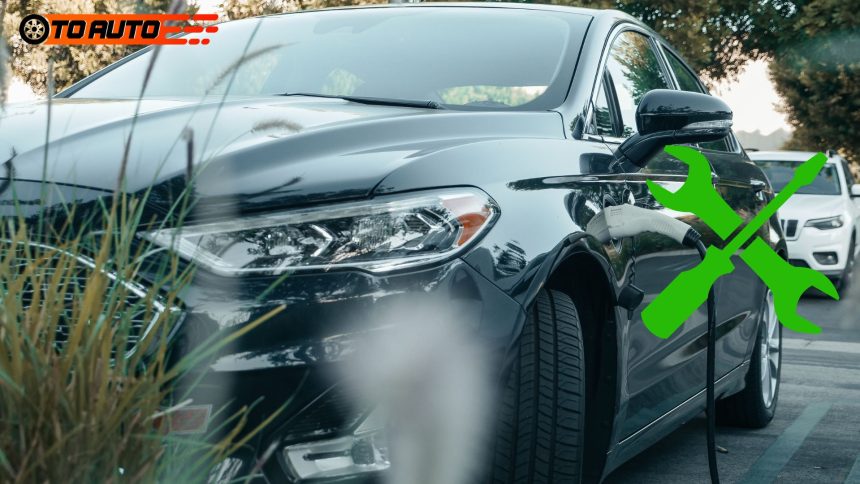
As electric vehicles (EVs) continue to gain popularity, understanding the basics of electric car maintenance is essential for new owners. Unlike traditional vehicles, EVs require less maintenance due to their fewer moving parts and absence of an internal combustion engine. However, there are still important aspects of electric car maintenance that every owner should be aware of to ensure their vehicle runs smoothly and efficiently. This article provides beginner-friendly tips to help you take care of your electric car and keep it in top condition.
Understanding Electric Car Maintenance Basics
Simpler Maintenance Compared to Gasoline Cars
One of the key benefits of owning an electric vehicle is the reduced need for frequent maintenance. Electric car maintenance is generally simpler and less costly than maintaining a gasoline-powered car. EVs don’t require oil changes, spark plug replacements, or exhaust system repairs, which are common in traditional vehicles. This simplicity translates into lower long-term maintenance costs and less time spent at the mechanic.
However, this doesn’t mean that EVs are maintenance-free. While they have fewer mechanical components, other aspects of electric car maintenance still require attention, such as battery care, brake maintenance, and software updates. Understanding these components will help you take a proactive approach to maintaining your electric car.
Importance of Regular Inspections
Even though electric car maintenance is less intensive, regular inspections are crucial for ensuring your vehicle’s longevity and performance. Periodic checks of the battery, tires, brakes, and other essential systems can help you identify potential issues before they become serious problems. Regular inspections also help maintain the vehicle’s efficiency, ensuring that you get the most out of your EV.
Scheduling routine inspections with a qualified mechanic who understands EV technology is important. While many general auto repair shops can handle basic maintenance, working with a specialist who is familiar with the specific needs of electric vehicles can provide peace of mind and ensure that your car is properly cared for.
Battery Care and Management
Maximizing Battery Life
The battery is the heart of an electric vehicle, and proper battery management is key to effective electric car maintenance. To maximize your battery’s lifespan, it’s important to avoid frequent deep discharges and full charges. Keeping your battery charge level between 20% and 80% can help prolong its life and maintain its efficiency.
Additionally, try to minimize exposure to extreme temperatures, as they can negatively affect battery performance and longevity. Parking your car in a shaded area during hot weather or in a garage during cold weather can help maintain a stable battery temperature, reducing stress on the battery and extending its life.
Charging Best Practices
Charging habits play a significant role in electric car maintenance. Using the right charging method and timing your charges can help preserve battery health. For daily use, it’s best to rely on Level 2 chargers, which provide a good balance between charging speed and battery care. Save fast charging (Level 3) for occasional use, such as long road trips, as frequent use of fast chargers can generate heat and stress the battery.
Another best practice is to avoid charging your battery to 100% regularly unless you need the full range for a long trip. Charging to around 80% for daily use helps maintain battery health, as constantly charging to full capacity can accelerate battery degradation over time.
Tire Maintenance and Care
Regular Tire Inspections
Tire maintenance is an important aspect of electric car maintenance, as EVs tend to be heavier than their gasoline counterparts due to the weight of the battery. This additional weight can cause tires to wear out faster, making regular inspections essential. Check your tires for proper inflation, tread wear, and any signs of damage. Underinflated tires can reduce efficiency and increase the risk of a blowout, while worn tread can affect handling and braking performance.
Maintaining the correct tire pressure is crucial for safety and efficiency. Properly inflated tires reduce rolling resistance, which can help improve your EV’s range. Make it a habit to check your tire pressure at least once a month and before long trips to ensure optimal performance.
Tire Rotation and Alignment
To extend the life of your tires and ensure even wear, regular tire rotation is a key part of electric car maintenance. Rotating your tires every 6,000 to 8,000 miles helps distribute wear evenly across all four tires, enhancing traction and extending the tires’ lifespan. Proper alignment is also important, as misaligned wheels can cause uneven tire wear and negatively impact handling and efficiency.
Regularly rotating and aligning your tires not only prolongs their life but also improves the overall driving experience by maintaining proper vehicle balance and handling. This simple yet effective step in electric car maintenance can lead to significant cost savings over time.
Brake System Maintenance
Regenerative Braking and Its Benefits
Electric vehicles are equipped with regenerative braking systems, which play a key role in both energy efficiency and electric car maintenance. Regenerative braking captures energy during braking and feeds it back into the battery, helping to extend your EV’s range. This system also reduces wear on the traditional friction brakes, as the regenerative brakes handle much of the braking force.
Because of regenerative braking, the friction brakes on an electric car typically last longer than those on a gasoline vehicle. However, it’s still important to have your brakes inspected regularly to ensure they’re in good working condition. Keeping an eye on your brake pads and rotors will help you avoid costly repairs and ensure your EV remains safe to drive.
Checking and Replacing Brake Fluid
While regenerative braking reduces wear on the traditional braking system, brake fluid still requires attention as part of regular electric car maintenance. Brake fluid absorbs moisture over time, which can reduce braking efficiency and potentially cause corrosion in the brake system. It’s important to check your brake fluid levels periodically and replace the fluid as recommended by your vehicle’s manufacturer.
Maintaining your brake system, including regular fluid checks and replacements, ensures that your electric vehicle’s brakes perform optimally, providing you with the safety and reliability you expect.
Read More: EV Charger Types Guide: Understanding Different Charger for Your EVs
Software Updates and System Maintenance
Keeping Software Up to Date
One of the unique aspects of electric car maintenance is the importance of keeping your vehicle’s software up to date. EVs rely heavily on software to manage everything from battery performance to navigation and driver assistance systems. Manufacturers regularly release software updates that can improve efficiency, add new features, and enhance overall vehicle performance.
Many electric vehicles receive these updates over the air (OTA), meaning you can update your car’s software without visiting a dealership. Regularly checking for and installing updates ensures that your EV runs smoothly and benefits from the latest advancements in technology.
Monitoring Vehicle Health
Modern electric vehicles are equipped with advanced diagnostics systems that monitor various aspects of the vehicle’s health. These systems can alert you to potential issues before they become serious problems, making them an important tool in electric car maintenance. By paying attention to any warning lights or notifications and addressing them promptly, you can prevent minor issues from turning into costly repairs.
Regularly reviewing your vehicle’s health reports and keeping track of any changes in performance or efficiency will help you stay on top of maintenance and ensure your EV continues to operate at its best.
Cooling System Maintenance
Importance of the Cooling System
Electric vehicles use a cooling system to regulate the temperature of the battery, motor, and other components. Proper cooling is essential for maintaining efficiency and preventing overheating, which can damage critical components. As part of electric car maintenance, it’s important to ensure that the cooling system is functioning properly and that coolant levels are adequate.
Most EVs have a sealed cooling system that requires minimal maintenance, but it’s still important to check coolant levels periodically and look for any signs of leaks or malfunction. Keeping the cooling system in good condition helps ensure the longevity and performance of your electric vehicle.
Checking Coolant Levels
Coolant levels should be checked regularly, as low coolant can lead to overheating and damage to the battery or motor. If you notice that your EV is running hotter than usual or if the coolant level is consistently low, it’s important to have the system inspected by a qualified technician. Replacing the coolant as recommended by the manufacturer is also a key part of electric car maintenance, ensuring that the system continues to protect vital components.
Maintaining the cooling system is essential for the overall health of your EV, helping to prevent overheating and ensuring efficient operation.
Conclusion
Electric car maintenance may be less intensive than that of traditional vehicles, but it’s equally important for ensuring the longevity and performance of your EV. By following these beginner-friendly tips, including regular inspections, proper battery care, tire maintenance, and staying up to date with software updates, you can keep your electric vehicle running smoothly for years to come. As you become more familiar with your EV, these maintenance practices will become second nature, helping you enjoy all the benefits of electric vehicle ownership with confidence.