Volvo, a brand synonymous with safety and innovation, has been facing delays in releasing its much-anticipated electric models, the EX30 and the rumored future EX60. These delays have left many consumers wondering if these vehicles will ever hit the market. As this company’s transitions towards a fully electric lineup, the setbacks have raised concerns about the company’s ability to meet its ambitious goals. This article delves into the reasons behind these delays, what they mean for the future of this company, and whether consumers can expect to see these models anytime soon.
The Anticipated Arrival of the Volvo EX30
What We Know About the EX30
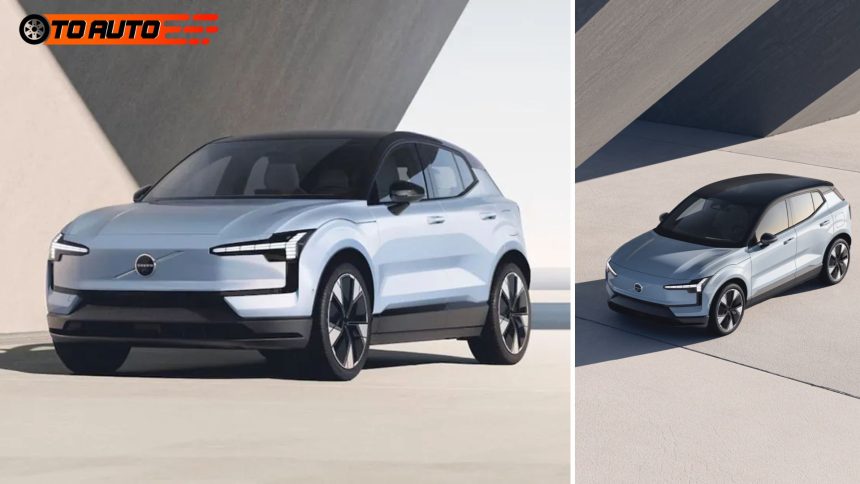
The Volvo EX30 is expected to be a compact electric SUV aimed at expanding this company’s electric vehicle (EV) offerings. Positioned below the popular XC40 Recharge, the EX30 is designed to cater to urban drivers seeking a more affordable and environmentally friendly vehicle. Volvo has hinted that the EX30 will feature cutting-edge technology, a minimalist design, and the brand’s renowned safety features.
The EX30 is a crucial part of this company’s strategy to electrify its entire lineup by 2030. This model is intended to appeal to a younger demographic and first-time EV buyers, offering a blend of luxury and sustainability at a more accessible price point.
Why the Delay?
Despite the excitement surrounding the EX30, its release has been delayed multiple times. Several factors contribute to this delay, with the most significant being supply chain disruptions caused by the global semiconductor shortage. The automotive industry has been hit hard by this shortage, which has slowed production lines and delayed the launch of new models across the board.
Volvo has also faced challenges related to battery supply and production capacity. As the demand for EVs grows, securing enough batteries to meet production targets has become increasingly difficult. These issues have forced this company to postpone the EX30’s release, disappointing eager customers who have been waiting for this new addition to the lineup.
The Future of the EX60: Hopes and Concerns
The Rumored EX60
While the EX30 has been officially announced, the EX60 remains more of a mystery. Rumors suggest that the EX60 will be a larger electric SUV, potentially replacing the current XC60 as Volvo transitions to a fully electric fleet. The EX60 is expected to carry forward this company’s commitment to safety, luxury, and sustainability, but with enhanced performance and range to meet the needs of families and long-distance travelers.
The EX60 is anticipated to feature this company’s latest advancements in autonomous driving technology and connectivity. If these rumors hold true, the EX60 could set a new standard in the electric SUV market, blending this company’s heritage with the future of automotive innovation.
Will We Ever See the EX60?
The uncertainty surrounding the EX60’s development is primarily due to the ongoing delays in Volvo’s current EV projects. If the EX30 is anything to go by, the EX60 could face similar challenges. The global shift to electric vehicles is complex, requiring significant investment in new technologies, supply chains, and production facilities. Volvo’s ambitious electrification goals are laudable, but they are also fraught with potential pitfalls, especially in the current global economic climate.
If Volvo can overcome these challenges, the EX60 may indeed become a reality. However, given the current delays, it is unclear when this model might be officially announced, let alone reach the market. Consumers and industry watchers alike are hopeful, but cautious, as they await further news from Volvo.
Read More: 2025 Land Rover Defender OCTA First Look: A Cut Above the Rest?
Global Supply Chain Challenges and Volvo’s Response
Semiconductor Shortage Impact
The global semiconductor shortage has been a significant barrier for Volvo and the broader automotive industry. Semiconductors are essential for modern vehicles, powering everything from infotainment systems to advanced driver-assistance features. The shortage has forced automakers, including Volvo, to scale back production, delay launches, and even temporarily close factories.
For Volvo, this shortage has had a direct impact on the production of the EX30 and the potential development of the EX60. The company has been working closely with suppliers to mitigate these issues, but the global nature of the shortage means that it could be some time before production returns to normal levels.
Battery Supply Issues
In addition to semiconductors, the supply of batteries for electric vehicles has been a significant challenge. As the demand for EVs grows, so does the demand for batteries, leading to competition among automakers for a limited supply. Volvo has committed to sourcing sustainable batteries, but this adds another layer of complexity to the supply chain.
Volvo’s focus on sustainability is commendable, but it also means that the company is not willing to compromise on the quality and ethical sourcing of its batteries. This commitment has contributed to delays in the EX30 and could potentially affect the timeline for the EX60 as well.
Volvo’s Strategic Adjustments and Future Outlook
Investing in Production Capacity
To address these challenges, Volvo has been investing in its production capacity, particularly for electric vehicles. The company is expanding its manufacturing facilities and entering partnerships to secure a more stable supply of semiconductors and batteries. These investments are crucial for ensuring that future models like the EX60 can be produced without the delays that have plagued the EX30.
Volvo has also announced plans to build a new battery plant in Europe, which will help secure a steady supply of batteries for its growing EV lineup. This move is part of Volvo’s broader strategy to gain more control over its supply chain and reduce its reliance on external suppliers.
Commitment to Electrification
Despite the delays, Volvo remains committed to its goal of becoming a fully electric car company by 2030. The challenges faced with the EX30 and the potential EX60 are part of the growing pains associated with such a significant transition. However, Volvo’s leadership has emphasized that these setbacks will not deter the company from its mission.
The automaker’s commitment to sustainability, safety, and innovation continues to drive its strategy. As Volvo works through the current challenges, it is likely that we will eventually see the EX30 and EX60, albeit later than initially planned. These models will play a crucial role in Volvo’s electrified future, helping to solidify its position as a leader in the EV market.
Consumer Expectations and Market Impact
Waiting for the EX30
For consumers, the delays in the EX30’s release are frustrating, particularly for those who have been eagerly anticipating this more affordable entry into the electric vehicle market. However, the delays also highlight the challenges facing the entire automotive industry as it shifts toward electrification. Patience will be key for consumers who are waiting for the EX30, as it promises to be a significant addition to Volvo’s lineup once it finally arrives.
Anticipating the EX60
The potential EX60 is even more of a mystery, with Volvo remaining tight-lipped about its development. However, the anticipation surrounding this model suggests that there is strong consumer interest in a larger, more capable electric SUV from Volvo. If and when the EX60 is announced, it could have a significant impact on the market, especially if it delivers on the promises of range, performance, and luxury.
Conclusion
Volvo’s journey towards a fully electric lineup has not been without its challenges. The delays in the release of the EX30 and the uncertainty surrounding the EX60 highlight the difficulties of transitioning to electric vehicles in a complex global market. However, Volvo’s commitment to sustainability and innovation suggests that these setbacks are temporary.
As the company continues to invest in its production capabilities and works to overcome supply chain issues, there is hope that both the EX30 and the EX60 will eventually see the light of day. For now, consumers and industry observers will need to remain patient, trusting that Volvo’s dedication to quality and safety will ultimately deliver the electric vehicles they have been waiting for.