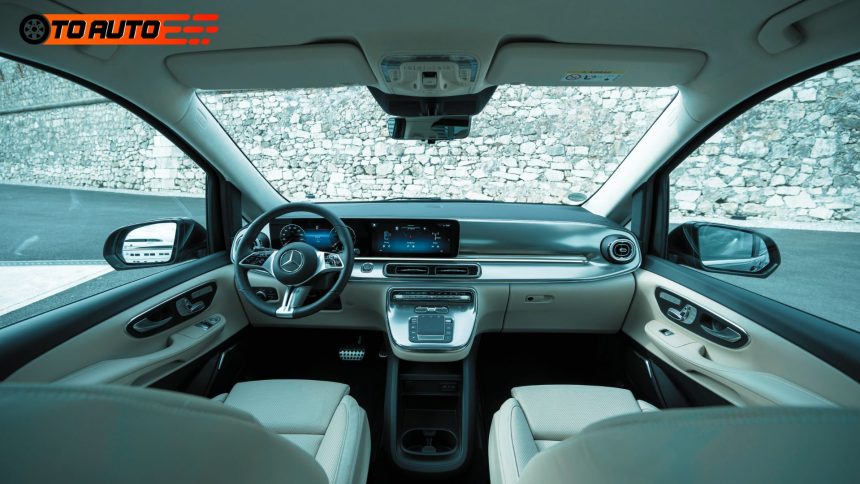
The automotive industry is constantly evolving, and 2024 promises to bring exciting changes in car design. Manufacturers are pushing the boundaries of technology, aesthetics, and functionality to create vehicles that are not only visually stunning but also more efficient and user-friendly. This article explores the top trends in car design for 2024, highlighting the innovations and stylistic changes that are set to define the future of automotive design.
Sustainable Materials and Eco-Friendly Designs
Emphasis on Recycled and Renewable Materials
One of the most significant trends in car design for 2024 is the increased use of sustainable materials. Manufacturers are focusing on incorporating recycled and renewable materials into their designs. This includes the use of recycled plastics, natural fibers, and biodegradable composites.
These materials reduce the environmental impact of car production and disposal. Brands are also exploring innovative ways to reuse materials, such as repurposing old parts and incorporating them into new models.
Eco-Friendly Interiors
Eco-friendly design extends to the interior of vehicles as well. Car manufacturers are using sustainable materials for upholstery, trim, and other interior components. Natural materials like wool, hemp, and bamboo are becoming popular choices.
These materials are not only environmentally friendly but also provide a luxurious feel. The trend towards eco-friendly interiors aligns with the broader movement towards sustainability in the automotive industry.
Advanced Aerodynamics
Sleek and Streamlined Exteriors
Aerodynamics play a crucial role in car design, affecting both performance and fuel efficiency. In 2024, we will see a continued focus on sleek, streamlined exteriors that minimize air resistance. This trend is driven by the need to improve fuel economy and reduce emissions.
Manufacturers are employing advanced computational fluid dynamics (CFD) to design cars that cut through the air more efficiently. These designs often feature smooth, flowing lines and integrated aerodynamic features like active grille shutters and underbody panels.
Functional Design Elements
In addition to aesthetic improvements, aerodynamic design elements serve functional purposes. Features like rear spoilers, air curtains, and diffusers help manage airflow around the vehicle, enhancing stability and performance.
These elements are seamlessly integrated into the overall design, ensuring that cars are not only efficient but also visually appealing. The emphasis on aerodynamics highlights the intersection of form and function in modern car design.
Read More: Best Family Cars of the Year
Integration of Advanced Technology
Smart Interiors
The integration of advanced technology is transforming car interiors. In 2024, we can expect to see more smart features, such as augmented reality (AR) displays, voice-activated controls, and advanced driver assistance systems (ADAS). These technologies enhance the driving experience by providing real-time information and improving safety.
Smart interiors are designed to be intuitive and user-friendly. Touchscreens, digital dashboards, and connected systems allow for seamless interaction between the driver and the vehicle. This trend reflects the growing importance of technology in car design.
Autonomous Driving Features
Autonomous driving technology is another area of focus for car designers. While fully autonomous vehicles are still in development, many 2024 models will feature advanced semi-autonomous driving systems. These systems can handle tasks like highway driving, parking, and traffic jams.
The design of these vehicles includes sensors, cameras, and radar systems that support autonomous functions. Integrating these technologies into the car’s design presents a challenge, but manufacturers are finding ways to make them aesthetically pleasing.
Personalization and Customization
Tailored Designs
Personalization is becoming a key trend in car design. Manufacturers are offering more options for customization, allowing buyers to tailor their vehicles to their preferences. This includes choices in colors, materials, and features.
Customized designs enhance the ownership experience, making each vehicle unique to its owner. This trend reflects the broader consumer desire for personalized products and experiences.
Modular Components
Modular design is another innovation gaining traction. Modular components allow for easy upgrades and modifications, enabling owners to change parts of their vehicle without significant overhauls. This includes modular interiors, where seats and consoles can be reconfigured.
Modular design enhances the longevity and versatility of vehicles. It allows for continuous improvement and adaptation, making cars more adaptable to changing needs and preferences.
Focus on Electric Vehicles
Unique Electric Vehicle Designs
Electric vehicles (EVs) are at the forefront of the automotive industry’s transformation. The design of EVs differs from traditional combustion-engine cars due to the absence of certain components like large engines and exhaust systems. This allows for more creative and flexible designs.
EVs often feature flat floors and spacious interiors, providing more room for passengers and cargo. The design flexibility of EVs is enabling manufacturers to explore new forms and styles.
Enhanced Battery Integration
Battery technology is a critical aspect of EV design. In 2024, we will see improved integration of batteries into the vehicle’s structure. This includes designing cars with better weight distribution and optimizing space for larger battery packs.
Enhanced battery integration improves the range and performance of EVs. It also impacts the vehicle’s overall design, requiring innovative approaches to accommodate and showcase the battery systems.
Conclusion
The trends in car design for 2024 reflect the industry’s move towards sustainability, technology, and personalization. From the use of eco-friendly materials to the integration of advanced technology and the rise of electric vehicles, these trends are shaping the future of car design.
Manufacturers are focusing on creating vehicles that are not only visually appealing but also efficient and user-friendly. As we look ahead, these innovations promise to transform the automotive landscape, offering exciting possibilities for the future of car design.