When your car battery dies, it can be an inconvenient and stressful situation. Knowing how to jump start a car is an essential skill for every driver. In this comprehensive guide, we will walk you through the process step-by-step. By following these instructions, you can safely and effectively jump start your car and get back on the road. Let’s dive into the details of how to jump start a car.
Understanding the Basics of Jump Starting
Jump starting a car involves using a charged battery from another vehicle or a portable jump starter. This process transfers power to the dead battery, allowing the engine to start. Before you begin, it’s important to gather the necessary tools and take safety precautions.
Gather the Necessary Tools
To jump start a car, you will need a set of jumper cables and a functioning vehicle with a charged battery. Alternatively, you can use a portable jump starter. Make sure both vehicles are parked close enough for the jumper cables to reach.
Safety Precautions
Safety is paramount when jump starting a car. Ensure that both vehicles are turned off and their keys are removed from the ignition. Avoid smoking or having open flames near the batteries. Wear safety gloves and glasses to protect yourself from potential sparks or battery acid.
Read More: Cars Featured in Iconic Movies Over the Years
Step-by-Step Guide to Jump Starting a Car
Follow these detailed steps to safely and effectively jump start your car.
Step 1: Position the Vehicles
Park the vehicles close to each other, but make sure they are not touching. Engage the parking brakes on both vehicles. Open the hoods and locate the batteries.
Step 2: Identify the Battery Terminals
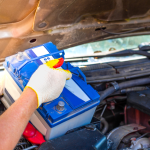
Identify the positive (+) and negative (-) terminals on both batteries. The positive terminal is usually marked with a red cap or a plus sign, while the negative terminal is marked with a black cap or a minus sign.
Step 3: Connect the Jumper Cables
- Connect the Red Clamp: Attach one end of the red (positive) clamp to the positive terminal of the dead battery.
- Connect the Other Red Clamp: Attach the other end of the red (positive) clamp to the positive terminal of the charged battery.
- Connect the Black Clamp: Attach one end of the black (negative) clamp to the negative terminal of the charged battery.
- Connect the Other Black Clamp: Attach the other end of the black (negative) clamp to an unpainted metal surface on the dead car. This serves as a grounding point and helps prevent sparks.
Step 4: Start the Engine of the Charged Vehicle
Start the engine of the vehicle with the charged battery. Let it run for a few minutes to allow the dead battery to gain some charge.
Step 5: Start the Engine of the Dead Vehicle
Attempt to start the engine of the vehicle with the dead battery. If it doesn’t start immediately, wait a few more minutes and try again. Once the engine starts, leave it running.
Step 6: Disconnect the Jumper Cables
- Remove the Black Clamp: Remove the black (negative) clamp from the unpainted metal surface of the previously dead vehicle.
- Remove the Other Black Clamp: Remove the black (negative) clamp from the negative terminal of the charged battery.
- Remove the Red Clamp: Remove the red (positive) clamp from the positive terminal of the charged battery.
- Remove the Other Red Clamp: Remove the red (positive) clamp from the positive terminal of the previously dead battery.
Step 7: Let the Engine Run
Let the engine of the previously dead vehicle run for at least 15-20 minutes to recharge the battery fully. If possible, take the car for a drive to help charge the battery faster.
Troubleshooting Common Issues
Sometimes, jump starting a car might not go as smoothly as planned. Here are some common issues and their solutions.
Issue 1: Car Still Won’t Start
If the dead car doesn’t start, double-check the cable connections. Ensure the clamps are securely attached to the correct terminals. If the connections are correct and the car still won’t start, the battery might be too depleted. In this case, you might need to replace the battery.
Issue 2: Sparks or Smoke
If you see sparks or smoke while connecting the cables, disconnect them immediately. This could indicate a short circuit or other electrical issues. Ensure you are following the correct sequence and safety precautions.
Issue 3: Repeated Dead Battery
If your car battery frequently dies, there might be an underlying issue. It could be a faulty alternator, a parasitic drain, or an old battery that needs replacement. Consult a professional mechanic for a thorough diagnosis.
Preventing Future Battery Issues
Taking care of your car battery can help prevent future jump start situations. Here are some tips to keep your battery in good condition.
Regular Maintenance
Regularly check your battery terminals for corrosion. Clean them with a mixture of baking soda and water if necessary. Ensure the battery is securely mounted and the connections are tight.
Drive Your Car Regularly
Short trips can prevent your battery from fully charging. If possible, take your car for longer drives to keep the battery charged. Consider using a battery maintainer if you don’t drive often.
Turn Off Electrical Components
Before turning off your car, make sure to turn off all electrical components, such as lights, radio, and air conditioning. This prevents unnecessary drain on the battery.
Monitor Battery Health
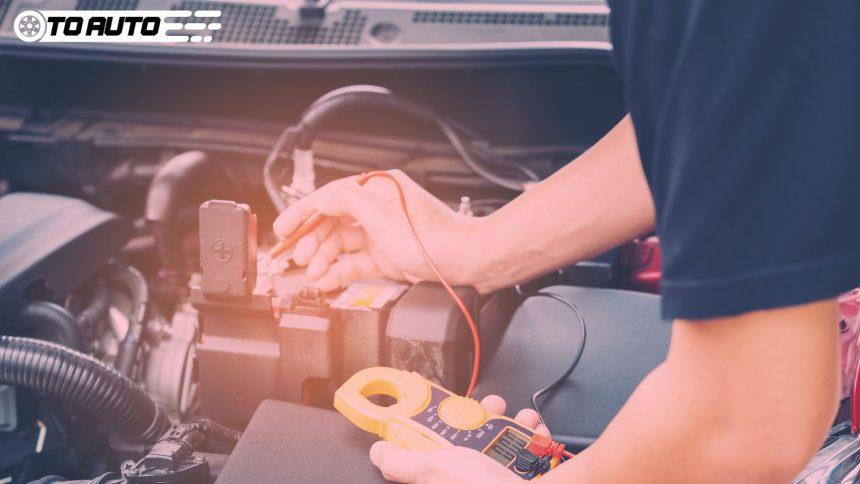
Modern cars often have a battery indicator light on the dashboard. If this light comes on, have your battery checked by a professional. Consider investing in a battery tester to monitor the health of your battery.
Conclusion
Knowing how to jump start a car is an invaluable skill for any driver. By following the steps outlined in this guide, you can safely and effectively jump start your car and avoid being stranded with a dead battery. Remember to take safety precautions, ensure proper connections, and maintain your battery regularly to prevent future issues. With these tips, you can confidently handle a dead battery and get back on the road quickly.
Understanding the basics and troubleshooting common issues will empower you to handle battery problems effectively. Remember, regular maintenance and proper driving habits can go a long way in extending the life of your car battery. Stay prepared and stay safe!