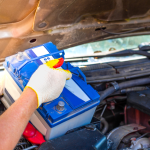
Maintaining an older car can often feel like a balancing act between keeping your beloved vehicle running smoothly and managing a budget. One of the most effective yet accessible ways to breathe new life into your engine is by replacing the ignition coil and spark plugs. Not only can this simple DIY project enhance your car’s performance, but it can also save you significant money compared to hiring a mechanic.
In this article, we’ll guide you through the process, offering step-by-step instructions, essential tools, and helpful tips to ensure that you feel confident tackling this task. So roll up your sleeves, and let’s get started on the road to better performance and savings!
Table of Contents
- Understanding the Role of Ignition Coils and Spark Plugs in Vehicle Performance
- Essential Tools and Materials Needed for Your DIY Project
- Step-by-Step Guide to Replacing Ignition Coils and Spark Plugs
- Tips for Troubleshooting Common Issues After Replacement
- Q&A
- Concluding Remarks

Understanding the Role of Ignition Coils and Spark Plugs in Vehicle Performance
The ignition coil and spark plugs are critical components in a vehicle’s engine system, playing a vital role in ensuring optimal performance. The ignition coil converts the battery’s low voltage into the high voltage needed to ignite the air-fuel mixture in the combustion chamber. When it malfunctions, you may experience symptoms such as rough idling, misfires, or loss of power. On the other hand, spark plugs create the spark that ignites this mixture, and over time, they can wear down due to heat and carbon buildup. This can lead to poor fuel efficiency, increased emissions, and difficulty starting your vehicle. Regular maintenance of these components can save you from costly repairs down the line and significantly enhance your driving experience.
When considering a replacement, it’s essential to choose high-quality parts that are suited for your vehicle model. Here are some factors to consider when evaluating ignition coils and spark plugs:
| Factor | Importance |
|---|---|
| Material Quality | Ensures durability and performance |
| Heat Range | Affects ignition timing and efficiency |
| Compatibility | Must match your vehicle’s specifications |
| Brand Reputation | Reliability of the product matters |
By understanding the roles and importance of these components, you can take proactive steps to maintain your vehicle, keeping it running smoothly and efficiently. Regular checks and timely replacements will not only enhance performance but also contribute to a safer driving experience. Embracing a DIY approach to change the ignition coil and spark plugs allows for both economic savings and a rewarding sense of accomplishment.
Essential Tools and Materials Needed for Your DIY Project
Before diving into your DIY project, it’s crucial to gather the right tools and materials to ensure a smooth and efficient process. Here’s a list of essential items you’ll need:
Socket Set: A good-quality socket set will help you remove and replace the ignition coil and spark plugs with ease.
Torque Wrench: This tool is essential for tightening the spark plugs to the manufacturer’s specifications, preventing damage.
Screwdrivers: Both flathead and Phillips screwdrivers will be necessary for accessing various components.
Pliers: Needle-nose and regular pliers can assist in gripping and manipulating smaller parts.
Wire Brush: Useful for cleaning the spark plug threads to ensure a proper seal.
New Ignition Coil and Spark Plugs: Make sure to choose the replacements that fit your vehicle’s make and model.
Safety Gear: Don’t forget gloves and goggles to protect yourself while working!
In addition to these essential tools, it’s helpful to have a few other materials at hand to enhance your DIY experience. Consider the following:
Cleaning Solvent: For removing any grime or dirt around the ignition area.
Rags: Handy for cleaning and wiping down surfaces throughout your project.
Electrical Grease: This can be applied to connectors to ensure a good electrical connection and prevent corrosion.
| Tool/Material | Purpose |
|---|---|
| Socket Set | Remove/replace ignition coil & spark plugs |
| Torque Wrench | Ensures proper tightening of spark plugs |
| Screwdrivers | Access various components |
| Pliers | Grip and manipulate small parts |
Step-by-Step Guide to Replacing Ignition Coils and Spark Plugs
Replacing ignition coils and spark plugs can seem daunting, but with the right approach, you can tackle this DIY project with confidence. Start by gathering your essential tools: a ratchet set, a torque wrench, and a spark plug socket. Before diving in, ensure the engine is cool and the battery is disconnected to avoid any electrical mishaps. Next, locate the ignition coils; they are typically mounted on top of the engine and connected to the spark plugs beneath. Carefully disconnect the electrical connectors and unscrew the coils, taking care to keep track of their order for reinstallation.
Once the ignition coils are removed, you can access the spark plugs. Use a spark plug socket to gently unscrew each plug from the cylinder head. Inspect the old plugs for wear and compare them to the new ones in terms of size and style. To install the new spark plugs, apply a small amount of anti-seize lubricant to the threads and torque them to the manufacturer’s specifications. Reattach the ignition coils in the same order they were removed, ensuring a snug fit. reconnect the battery and start the engine. With everything in place, you’ll experience smoother performance and enhanced fuel efficiency—the benefits of your DIY effort!
Tips for Troubleshooting Common Issues After Replacement
After replacing your ignition coil and spark plugs, it’s common to encounter a few hiccups. Here are some friendly tips to help you diagnose and resolve these issues. First, check your connections to ensure all wires are securely attached. Loose connections can lead to misfires or poor performance. Additionally, take a moment to review the installation process; if the spark plugs are not gapped correctly or the ignition coil isn’t seated properly, this can affect engine function. If you notice rough idling or stalling, it’s worth revisiting these parts to make sure everything is fitted snugly.
Another area to focus on is fuel quality. If you’ve recently changed these components but your car is still struggling, consider the possibility of bad fuel. Old, contaminated, or incorrect fuel can cause misfires or start-up issues. Testing the fuel system by checking for fuel pressure can pinpoint problems. You might also want to keep an eye on your engine codes. Many modern vehicles have On-Board Diagnostics (OBD) that can provide valuable information through a simple scan. Document any error codes you receive and look them up to guide you in troubleshooting further.
Q&A
Q1: Why should I consider replacing the ignition coil and spark plugs myself?
A1: Replacing the ignition coil and spark plugs on your own can save you a significant amount of money that would otherwise go to labor costs at a mechanic. Plus, it’s a rewarding DIY project that allows you to learn more about your vehicle, enhancing your overall automotive knowledge.
Q2: How do I know if my ignition coil or spark plugs need replacing?
A2: Symptoms of faulty ignition components include uneven engine performance, difficulty starting your car, poor fuel economy, or the engine misfiring. If you notice any of these issues, it might be time to check your ignition coil and spark plugs.
Q3: What tools will I need for this DIY project?
A3: For this task, you’ll generally need a ratchet set, spark plug socket, torque wrench, pliers, and possibly a multimeter to check the ignition coil’s functionality. Having a basic tool kit will usually cover what you need!
Q4: Can you walk me through the basic steps for replacing the ignition coil and spark plugs?
A4: Certainly! Here’s a simplified process:
- Safety First: Disconnect your battery to avoid any electrical issues.
- Access the Components: Remove any necessary engine covers to reach the ignition coil and spark plugs.
- Remove the Old Ignition Coil: Disconnect the electrical connectors and unscrew the coil from its mount.
- Replace the Spark Plugs: Use the spark plug socket to carefully remove each plug, inspect the old plugs for wear, and install the new ones, torquing them to manufacturer specifications.
- Install the New Ignition Coil: Position the new coil and secure it with screws and connectors.
- Reassemble Everything: Restore any components you removed and reconnect the battery.
Q5: How long will this process take?
A5: Depending on your experience level and the specific vehicle, this process typically takes about 1-3 hours. Planning a weekend afternoon is usually a safe bet!
Q6: What should I keep in mind before starting this project?
A6: Make sure you have the right replacement parts specific to your vehicle model. Always consult your car’s service manual for detailed instructions and torque specifications. Lastly, if you feel uncomfortable at any point, don’t hesitate to ask for help or consult a professional.
Q7: Are there any tips for maintaining my ignition system after replacement?
A7: Regularly check your spark plugs for wear and keep an eye on engine performance. It’s also wise to use high-quality fuel and keep up with routine maintenance to prolong the life of your ignition system.
Q8: What if I don’t want to do it myself?
A8: If DIY isn’t your thing, consider seeking assistance from a friend who has experience or look for local community workshops that offer classes. Ultimately, you can always take your car to a trusted mechanic who can perform the replacements for you.
Feel free to dive into the DIY world; you’ll find it not only saves money but can also spark (pun intended!) a new hobby! Happy wrenching!
Concluding Remarks
replacing the ignition coil and spark plugs in your older car is not just a savvy way to save money on repairs; it’s also a rewarding DIY project that can breathe new life into your vehicle. By taking a few hours to tackle this task yourself, you’ll gain a deeper understanding of your car’s mechanics while enjoying the satisfaction that comes with hands-on work. Remember to gather the right tools, follow the manufacturer’s specifications, and take your time to ensure everything is done correctly. With a little patience and effort, you’ll be rewarded with improved engine performance and enhanced fuel efficiency. So roll up your sleeves, dive into the project, and enjoy the fruits of your labor. Happy repairing!