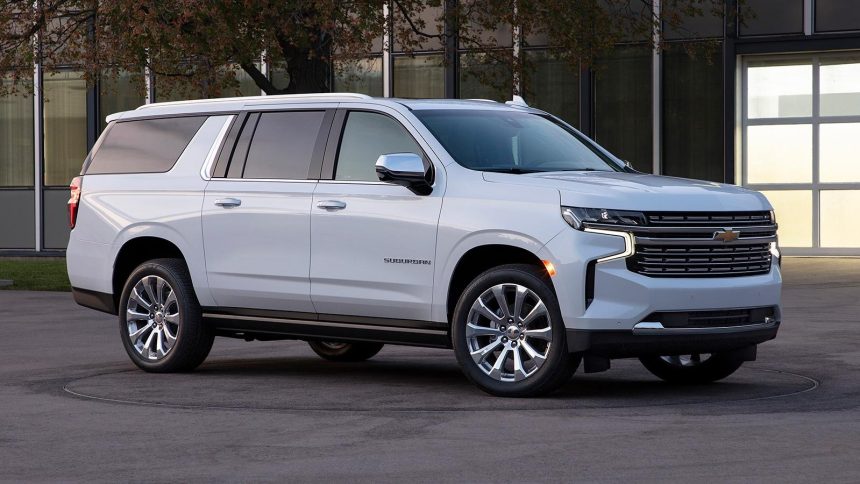
In the vast landscape of American automobiles, few vehicle categories have captured the hearts of drivers quite like the Sport Utility Vehicle (SUV). With their commanding presence, versatile designs, and family-friendly interiors, SUVs have evolved from rugged off-road machines to stylish urban companions. As the demand for these multifaceted vehicles continues to soar, they weave a complex tapestry that reflects the diverse lifestyles and preferences of American motorists. From weekend adventurers seeking thrilling escapades to city dwellers navigating bustling streets, the popularity of SUVs resonates across the nation. In this article, we delve into the top contenders in the SUV market, exploring what makes them the go-to choice for millions of Americans, and highlighting the trends shaping their success in an ever-evolving automotive landscape.
Trends Driving the SUV Market in the United States
In recent years, the SUV segment has witnessed a remarkable transformation, with shifting consumer preferences playing a pivotal role in shaping its trajectory. The growing demand for versatile vehicles that blend utility, comfort, and style has prompted manufacturers to innovate and expand their lineups. Enhanced safety features, such as advanced driver-assistance systems and improved crash-test ratings, have become key selling points, attracting families and individuals alike. Additionally, the rise of outdoor recreational activities has fueled interest in off-road capable models, prompting brands to introduce vehicles that cater to adventurous lifestyles while maintaining everyday drivability.
Moreover, sustainability has emerged as a crucial consideration, with eco-conscious consumers leaning towards hybrid and electric SUVs that minimize environmental impact. Automakers are responding with an increasing array of electrified options, showcasing their commitment to greener technologies while meeting regulatory standards. The integration of cutting-edge technology, such as infotainment systems with connectivity features and autonomous driving capabilities, further enhances the appeal of these vehicles. As the SUV market continues to evolve, it reflects a fascinating interplay between innovation, consumer desires, and the broader trends shaping the automotive landscape in the United States.
Spotlight on Top-Rated Models for Families and Adventurers
When it comes to enhancing the family experience, certain SUVs have emerged as champions in comfort, safety, and versatility. Models such as the Honda Pilot and Toyota Highlander continue to grab the spotlight, offering spacious interiors that can accommodate large families and their gear without a hitch. The Pilot’s optional all-wheel drive provides confidence for road trips in varying terrains, while the Highlander’s fuel-efficient V6 engine ensures you can go the distance without constantly stopping for gas. Each vehicle is equipped with cutting-edge technology, including advanced safety features that keep families secure on every journey, whether it’s a daily school run or an adventurous weekend getaway.
For those who thrive on adventure, the rugged capabilities of the Jeep Grand Cherokee and Ford Bronco make them perfect companions for off-road excursions. The Grand Cherokee combines luxury with performance, enabling it to tackle rough trails while still providing a plush riding experience. On the other hand, the Bronco embodies the spirit of adventure with its classic design and customizable features, ready to explore the great outdoors. With robust towing capabilities and ample cargo space, these SUVs not only accommodate the family but also gear up for camping trips and spontaneous road trips. It’s no wonder these top-rated models have captured the hearts of both families and thrill-seekers alike.
Fuel Efficiency and Sustainability in Popular SUV Choices
When considering the shift towards more environmentally-friendly vehicles, many drivers are finding that today’s SUVs no longer have to sacrifice fuel efficiency for the sake of power and space. Manufacturers are responding to consumer demand by integrating advanced hybrid technologies and eco-friendly engines into their popular models. For instance, brands like Toyota and Honda have introduced hybrid variants of their SUVs, which not only achieve impressive miles per gallon but also produce lower emissions. These options have revolutionized the perception of fuel efficiency in larger vehicles, allowing families to enjoy the versatility of an SUV while treading lightly on the planet.
Furthermore, the trend toward sustainability doesn’t end with fuel efficiency. Many popular SUV manufacturers are increasingly focused on using recycled materials and sustainable production practices, reducing their overall environmental impact. For example, several leading brands now ensure that their interiors utilize eco-conscious materials, and their manufacturing processes prioritize energy efficiency. This evolution reflects a broader shift in the automotive industry towards a more sustainable future, where consumers can choose vehicles that align with their values and still meet their lifestyle needs. As these innovations continue to emerge, the landscape of American SUVs is transforming, prioritizing both performance and a commitment to protecting the environment.
Read More: Protect Your Car’s Paint: Selecting the Right Polishes and Waxes
Future Innovations Shaping the Next Generation of SUVs
The future of SUVs is poised for a transformation that merges style, efficiency, and advanced technology into one robust package. One of the major innovations includes the integration of electric powertrains, which not only promise to reduce carbon emissions but also enhance driving performance. The next generation of SUVs is swiftly adapting to the electric vehicle trend, featuring platforms designed for larger batteries, extended ranges, and quicker charging capabilities. This shift enables manufacturers to develop models that offer greater versatility, blending spaciousness with eco-friendliness. Furthermore, advancements in autonomous driving technologies are making their way into these vehicles, potentially redefining user experiences by prioritizing safety and convenience through smart navigation systems and adaptive cruise controls.
In addition to electrification and automation, sustainability in materials is becoming a significant focus for manufacturers. From recycled plastics to bio-based upholstery, automakers are exploring innovative ways to reduce their environmental footprint while satisfying consumer demand for luxury and comfort. Also, connected technology is revolutionizing the way drivers interact with their vehicles; features like real-time traffic updates, over-the-air software updates, and enhanced infotainment systems are setting new standards for integration and user experience. By embracing these innovations, the next generation of SUVs will not only cater to the diverse lifestyles of their owners but also forge a path toward a more sustainable, tech-savvy future.
In Summary
the landscape of popular SUVs in the United States reflects a dynamic interplay of consumer preferences, technological advancements, and shifting lifestyles. As families seek versatile vehicles that can adeptly navigate both urban streets and rugged terrains, automakers are responding with innovative designs and features tailored to meet these demands. Whether it’s the efficiency of hybrids, the allure of luxury models, or the reliability of classic favorites, the SUV market continues to evolve, catering to a diverse audience of drivers. As you contemplate your next vehicle, consider the trends and options that resonate with your needs. After all, the right SUV isn’t just about choosing a mode of transport; it’s about finding a companion for your journey, both on and off the road. Happy exploring!