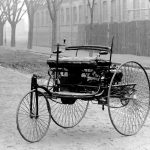
In the early 20th century, a revolution was quietly taking shape on the dusty roads of a nascent nation. Enter the Ford Model T, an automobile that would transcend mere transportation, becoming a symbol of innovation, accessibility, and the American spirit. Launched in 1908, this remarkable vehicle not only transformed the automotive landscape but also redefined the very essence of what it meant to drive. Crafted in Detroit, Michigan, the Model T introduced assembly line production, making car ownership a reality for the average American. As we delve into the legacy of the Ford Model T, we will explore how this iconic car not only mobilized a generation but also reflected the hopes and aspirations of a country on the brink of modernity. Join us on a journey through time, where the humble Model T stands as a testament to ingenuity and the relentless pursuit of progress in the land of opportunity.
The Ingenious Design and Engineering of the Ford Model T
The Ford Model T revolutionized the automotive industry not just through its affordability but also through its innovative engineering. Designed with simplicity and functionality in mind, the Model T was equipped with a 2.9-liter four-cylinder engine that offered a remarkable combination of power and efficiency for its time. Its lightweight chassis made it nimble, and the use of interchangeable parts facilitated mass production, which allowed Ford to keep costs low. The strategic placement of the engine, combined with a remarkably easy-to-repair structure, meant that maintenance was accessible to the average American, expanding the car’s appeal far beyond the affluent.
Beyond mechanical brilliance, the Model T presented a user-focused design that prioritized comfort and versatility. Its unique assembly line manufacturing approach meant that consumers could choose their Model T in any color—as long as it was black—thanks to the quick-drying paint Ford had developed. With features such as a spacious interior, durable construction, and the ability to traverse a variety of terrains, its appeal was universal. Families could now venture beyond their small towns with ease, marking a significant shift in how Americans perceived travel. Altogether, the engineering and design of the Model T not only transformed the landscape of transportation but also redefined the very essence of freedom for the masses.
Cultural Impact and Legacy of a Revolutionary Automobile
The Ford Model T revolutionized not just the automobile industry but also the very fabric of American society. As the first mass-produced car, it signaled a seismic shift in personal transportation, making the dream of car ownership accessible to the average American worker. Its affordability, simplicity, and reliability bridged urban and rural divides, allowing families to explore beyond their immediate neighborhoods and fostered a burgeoning road culture that favored freedom and mobility. The Model T became synonymous with the American spirit, influencing everything from the layout of cities, which became increasingly car-centric, to the rise of roadside attractions that catered to the adventurous spirit ignited by this new mode of transportation.
Moreover, the legacy of the Model T extended into broader cultural phenomena, shaping notions of innovation and industry in the United States. It exemplified the efficacy of assembly line production, setting a blueprint that countless manufacturers would follow, thereby catalyzing the rise of consumerism and the modern economy. This transformative vehicle also became a symbol in art and literature, often representing themes of progress, change, and the American Dream. Its cultural resonance is celebrated in museums and enthusiast gatherings, ensuring that the Model T remains not just a relic of history but a cornerstone of a national narrative that champions ingenuity and the democratization of technology.
Challenges in Production and the Rise of the Assembly Line
In the early 20th century, the landscape of automobile manufacturing was fraught with obstacles that hampered efficiency and productivity. Craftsmen worked painstakingly by hand, dedicating extensive time to each vehicle, resulting in high costs and limited availability. As demand for affordable cars surged, automakers faced the pressing challenge of scaling production without sacrificing quality or profitability. This dilemma catalyzed innovative thinking, prompting entrepreneurs to seek ways to streamline the manufacturing process. The search for a solution led to the emergence of new techniques that transformed the industry, heralding a revolution in how automobiles were brought to life.
Henry Ford was a pivotal figure in this transformation, responding to production challenges with the introduction of the assembly line. This groundbreaking approach redefined the manufacturing landscape, allowing workers to specialize in specific tasks, thus accelerating the construction of the famed Model T. By breaking down the complex process into manageable segments, Ford’s method not only improved efficiency but also significantly lowered production costs, making the Model T accessible to the average American household. The assembly line became a symbol of industrial efficiency, revolutionizing not just automobile manufacturing, but also laying the groundwork for modern production techniques across various industries.
Read More: Nitrous Oxide System for Car: How it Works
Preserving History: Tips for Restoring and Maintaining a Model T
Restoring a Model T is a labor of love that comes with its own set of challenges and rewards. Begin by assessing the car’s condition thoroughly; inspect the chassis, engine, and body for rust or damage. For a genuine restoration, seek original parts wherever possible, as they not only enhance authenticity but also preserve the vehicle’s history. Utilize online forums or vintage car shows to connect with fellow enthusiasts who may have the parts you need or offer valuable advice based on their own restoration experiences. When working on the engine, consider adhering to the original specifications since the Model T was engineered to run efficiently on low-quality fuels available in its day.
Once the structural elements are in place, focus on maintaining the aesthetics that make the Model T iconic. Clean and restore the upholstery by using period-appropriate materials and techniques to reflect the car’s vintage style. When it comes to paint, opt for historically accurate colors that mirror what would have been available during its production. Regular maintenance is key; use high-quality lubricants and pay attention to the wooden components, which should be treated to prevent rot and preserve the integrity of the vehicle. By treating each step with care and respect for the Model T’s legacy, you contribute to a history that continues to inspire admiration and passion in the automotive world.
To Conclude
The Ford Model T stands as a timeless emblem of American ingenuity and resilience. Its impact transcends mere mechanics, weaving itself into the very fabric of our society and shaping the way we perceive mobility, industry, and democracy. As we reflect on the legacy of this legendary car, we are reminded of how a single innovation can alter the course of history, transforming not just the roads we travel, but the very landscape of our lives. The Model T was more than just an automobile; it was a catalyst for change, paving the way for future generations to dream, build, and drive forward. As we continue to explore the horizon of automotive technology, let us not forget the roots of our journey—the Model T, a symbol of progress that ignited a revolution, and a testament to the power of American creativity and spirit.