The electric bike industry, once experiencing explosive growth, may soon face new challenges as a result of the Biden administration’s upcoming import rules. Among the components likely to be impacted are EBike batteries, the heart of any electric bike. With these new policies in place, both manufacturers and consumers will need to navigate a changing landscape for EBike batteries and what these changes mean for pricing, availability, and future innovation.
What Are Biden’s New Import Rules?
The Biden administration has been working on reshaping the U.S. trade policies, specifically targeting areas like supply chain security, environmental sustainability, and domestic manufacturing. While these policies have broad economic implications, they will also directly affect the importation of key technological components, including EBike batteries.
The primary objective of these new import rules is to reduce reliance on foreign-made products, particularly from countries like China. Since the majority of EBike batteries are produced overseas, especially in Asia, these regulations are expected to increase tariffs, add stricter environmental standards, and tighten overall import restrictions. This will undoubtedly impact the EBike batteries market in the U.S., creating ripple effects across the entire electric bike industry.
Why EBike Batteries Are So Important
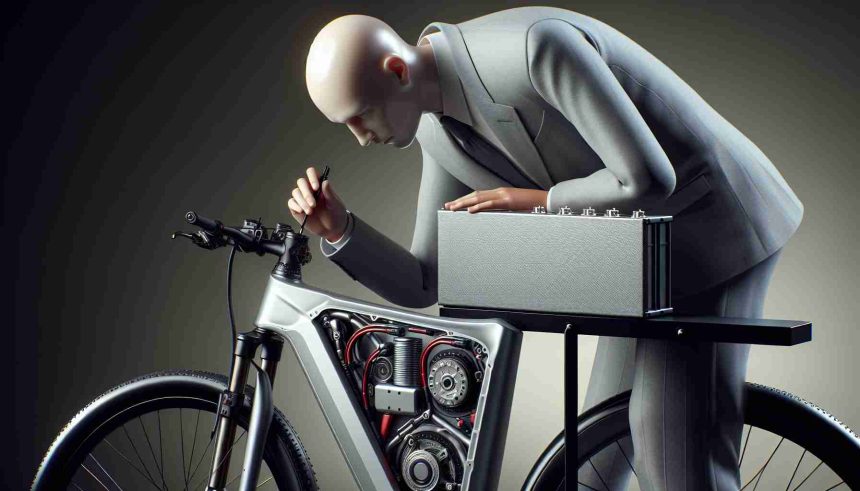
EBike batteries are crucial to the functionality of electric bicycles, providing the power that drives the electric motor. Without efficient and reliable EBike batteries, the performance and range of an electric bike would be severely compromised. Most EBike batteries use lithium-ion technology, which offers high energy density, lightweight design, and long cycle life. These features are essential for delivering the optimal performance and range that riders expect from modern electric bicycles.
With demand for electric bikes growing, especially in urban areas looking to reduce traffic congestion and carbon emissions, the importance of reliable EBike batteries cannot be overstated. However, the new import rules could disrupt the supply chain for these batteries, leading to potential shortages or price increases for both manufacturers and consumers.
Impact of Import Rules on EBike Battery Prices
One of the most immediate effects of Biden’s new import rules on EBike batteries will likely be an increase in costs. Tariffs on imported goods, particularly those from China, are expected to rise under the new regulations. Since the majority of EBike batteries are produced in China or other parts of Asia, these additional costs will trickle down to manufacturers and, ultimately, consumers.
For manufacturers who rely heavily on foreign-made components, this means either absorbing the increased costs, which could shrink profit margins, or passing these costs on to consumers. EBike batteries, already one of the most expensive parts of an electric bike, could become even more costly. Consumers may find themselves paying significantly more for electric bikes, particularly models that rely on high-capacity, long-range EBike batteries.
Supply Chain Disruptions and Availability of EBike Batteries
Another major concern surrounding the new import rules is the potential for supply chain disruptions. Many of the components that go into EBike batteries are sourced from multiple countries, often requiring complex logistics to assemble and deliver to manufacturers. Any additional regulatory hurdles or restrictions could slow down this process, leading to shortages in EBike batteries.
Increased scrutiny on environmental standards and working conditions in the countries producing EBike batteries may also lead to production slowdowns. As the Biden administration seeks to enforce higher ethical and environmental standards on imports, some factories that produce EBike batteries may need to upgrade their operations to meet these new requirements. While these are important steps toward more sustainable production practices, they may lead to delays in production and availability.
The Push for Domestic EBike Battery Manufacturing
The Biden administration’s new import rules are part of a broader strategy to encourage more domestic manufacturing of key components like EBike batteries. The goal is to reduce dependency on foreign imports and create more jobs in the U.S. However, building a robust domestic EBike battery manufacturing industry will take time, investment, and infrastructure development.
While the idea of producing more EBike batteries domestically is appealing, particularly from a supply chain security and environmental perspective, the shift will not happen overnight. U.S.-based manufacturers would need to scale up their operations significantly to meet the growing demand for EBike batteries. In the short term, this could lead to gaps in the market as manufacturers adjust to the new import rules.
Environmental Considerations for EBike Batteries
One of the potential positive outcomes of the new import rules is the focus on environmental sustainability. EBike batteries, particularly lithium-ion batteries, have raised concerns about their environmental impact, especially when it comes to sourcing raw materials like lithium, cobalt, and nickel. The extraction of these materials can lead to environmental degradation, and improper disposal of used EBike batteries can pose further risks.
The Biden administration’s push for greener manufacturing and stricter environmental standards could lead to improvements in how EBike batteries are produced. For example, increased emphasis on recycling and the development of more eco-friendly battery technologies could mitigate some of the environmental concerns surrounding EBike batteries. However, in the near term, these regulations may slow down production and increase costs as manufacturers adapt.
How Consumers Will Be Affected by Changes in EBike Batteries
Consumers will feel the impact of the new import rules in several ways, starting with potential price hikes for electric bikes. As the cost of batteries rises, manufacturers may pass these expenses on to consumers, making electric bikes more expensive. For those already invested in the electric bike movement, this may slow down their adoption of new models or upgrades.
Additionally, the availability of certain models of electric bikes may be limited as manufacturers struggle to secure a steady supply of batteries. Consumers could face longer wait times or find that some of their preferred models are out of stock for extended periods. In an industry that has thrived on convenience and innovation, these supply chain disruptions could pose significant challenges.
The Future of EBike Batteries Amid Regulatory Changes
As the EBike industry navigates the new import rules, innovation will be key. Manufacturers may begin to look for alternative sources of materials or invest in developing new types of batteries that are less reliant on the current supply chains. Solid-state batteries, for example, are a developing technology that could eventually replace lithium-ion batteries, offering higher energy density and longer life spans.
However, these innovations will require time and investment. In the meantime, the industry will need to adapt to the new import regulations, finding ways to manage costs and ensure a steady supply of batteries.
Conclusion
Biden’s new import rules are poised to create significant changes in the EBike industry, with batteries likely to face higher costs, supply chain disruptions, and new environmental standards. While these changes may lead to short-term challenges for manufacturers and consumers alike, they could also pave the way for a more sustainable and innovative future. As the industry adjusts to these new regulations, the focus will need to remain on ensuring that batteries continue to deliver the performance, range, and reliability that riders expect. Ultimately, these changes could push the market toward more domestically-produced and environmentally-friendly batteries, although the transition will take time and careful planning.