A car, more than just a mode of transport, often becomes an extension of our personality, a reflection of our tastes and aspirations. But time, weather, and the rigors of daily use can take a toll on its appearance, especially the body. A once vibrant paint job fades, scratches mar the surface, and the overall shine diminishes, leaving the car looking tired and neglected. However, with a bit of effort, the right knowledge, and a touch of passion, body restoration is possible, bringing back the car’s lost glory and rekindling that spark of pride in ownership.
Why Body Restoration Matters
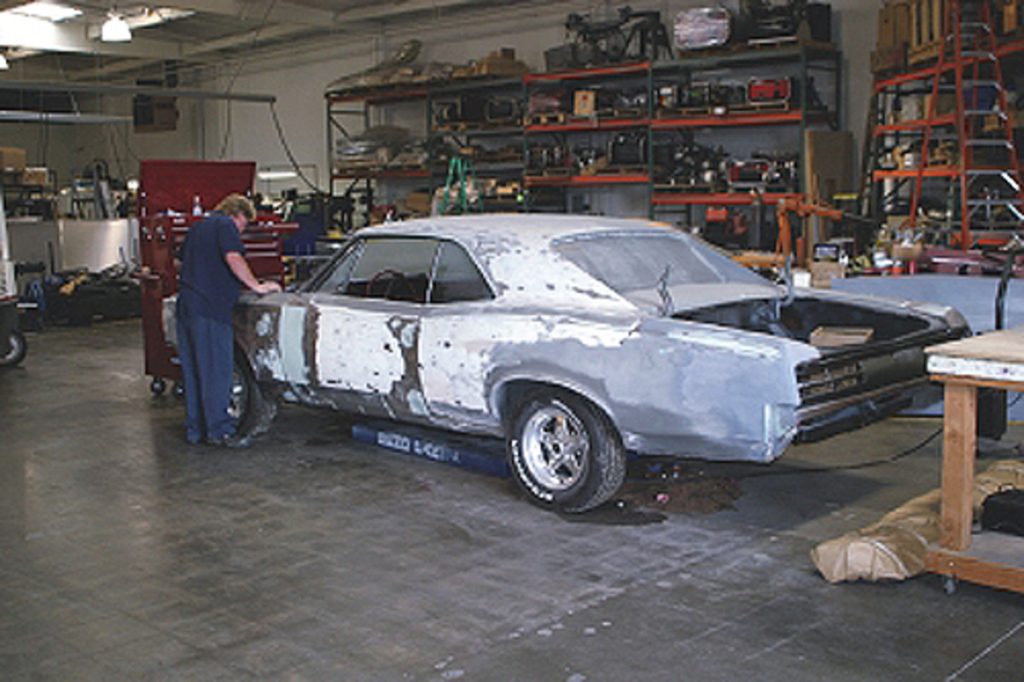
Body restoration is far more than a superficial makeover. It’s an investment in the car’s longevity and a testament to its enduring value. Neglecting the car’s exterior can lead to a cascade of problems, from minor rust spots to severe corrosion that can compromise the vehicle’s structural integrity. By addressing these issues proactively, body restoration not only revitalizes the car’s aesthetics but also safeguards its future, ensuring it remains roadworthy for years to come.
The process of body restoration is a journey of rejuvenation. It begins with a meticulous assessment of the car’s condition, akin to a doctor examining a patient. Every dent, scratch, rust spot, and paint imperfection is carefully noted and analyzed. This diagnostic stage is crucial in formulating a tailored restoration plan, ensuring that each issue is addressed with the appropriate techniques and care.
Stages of Body Restoration
1. The Cleansing Ritual: Like any restoration project, body restoration starts with a thorough cleansing. This involves more than a simple wash; it’s a deep cleaning that removes ingrained dirt, grime, and contaminants that can hinder the restoration process. Think of it as preparing a canvas for a masterpiece. A meticulous wash, followed by the removal of old wax and grime, reveals the true extent of the damage and prepares the surface for the transformative stages to come.
2. The Art of Paint Correction: This stage focuses on erasing the imperfections etched into the car’s paint, the swirl marks from careless washing, the scratches from errant branches, and the dullness caused by oxidation. It’s a meticulous process that often involves specialized tools and techniques, such as orbital buffers and micro-abrasive polishes, to gently remove imperfections and restore the paint’s original luster. Imagine it as a sculptor refining a statue, carefully removing imperfections to reveal the beauty beneath.
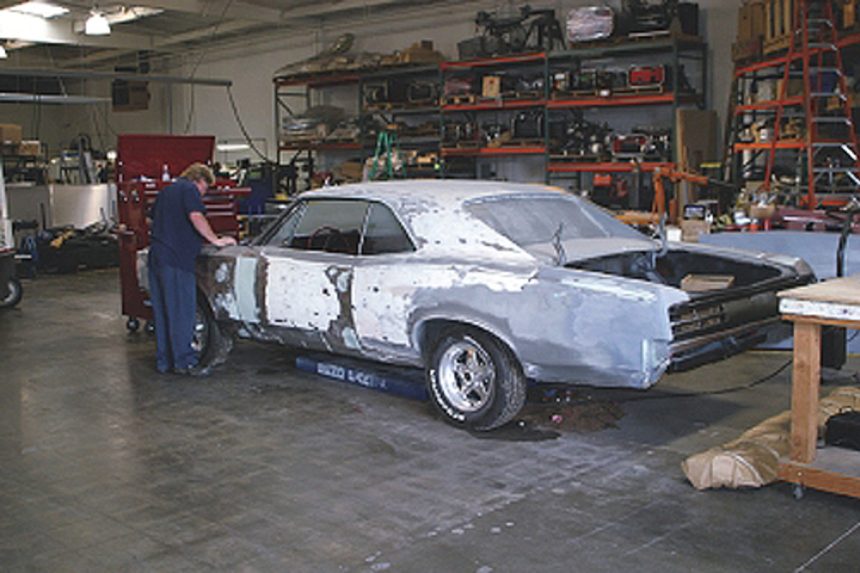
3. The Magic of Dent Repair: Dents and dings are inevitable, especially in older cars that have weathered years of road use. Paintless dent repair (PDR) is a remarkable technique that can remove minor dents without affecting the original paint job. It involves carefully massaging the metal back into its original shape using specialized tools. For larger dents or those with paint damage, traditional bodywork techniques, involving fillers and sanding, may be necessary to restore the panel’s smooth contours.
4. The Battle Against Rust: Rust is the insidious enemy of any car, slowly eating away at the metal and compromising its strength. Addressing rust is a critical component of body restoration. It involves carefully removing the rust, treating the affected area to prevent further corrosion, and applying a rust-preventative primer to create a barrier against future attacks. Think of it as a surgeon removing a malignant tumor and taking preventative measures to ensure its return.
5. The Crowning Glory: Painting and Finishing: If the car’s paint is beyond repair or if a change of color is desired, a fresh coat of paint is the ultimate transformation. This involves meticulous preparation, including sanding, priming, and masking, to create a smooth and receptive surface. The application of the new paint requires skill and precision, ensuring an even and flawless finish. A final clear coat adds depth, shine, and protection, like a glossy varnish on a painting, sealing in the beauty and preserving it for years to come.
Products and Techniques
The success of body restoration hinges on the careful selection of products and techniques. High-quality car care products, from specialized cleaning agents to cutting-edge polishes and durable waxes, play a vital role in achieving a showroom-worthy finish. It’s essential to choose products that are compatible with your car’s paint type and the specific restoration tasks at hand. Using the wrong type of polish or applying it incorrectly can damage the paint. Researching different techniques and seeking advice from experienced car enthusiasts can equip you with the knowledge and skills needed for successful body restoration.
DIY vs. Professional
The decision to embark on a DIY body restoration or entrust your car to professionals is a personal one. DIY restoration can be a rewarding experience, allowing you to connect with your car on a deeper level and take pride in your handiwork. It can also be more cost-effective for minor repairs and touch-ups. However, it requires time, patience, and a willingness to learn. For major body damage, extensive rust repair, or if you lack the confidence or expertise, seeking professional help is a wise choice. Professional body shops have the experience, tools, and specialized equipment to handle complex repairs and achieve flawless results.
Preserving the Restored Beauty
Once your car’s body has been restored, proper maintenance is essential. Regular washing with a pH-balanced car wash soap, followed by drying with a microfiber towel, helps remove dirt and prevent water spots. Applying a high-quality wax or sealant provides a protective layer against the elements and enhances the paint’s gloss. Addressing any new scratches or dents promptly can prevent them from escalating into major issues. Regular detailing can further enhance your car’s overall appearance and value.
Beyond the Gleaming Exterior
Body restoration is more than just achieving a mirror-like shine; it’s about restoring pride in your vehicle, increasing its value, and ensuring its longevity. A well-maintained car not only looks good but also performs better and retains its value over time, making it a wise investment.
A Rewarding Endeavor
Restoring a neglected car’s body is a labor of love, a journey of transformation that breathes new life into an aging machine. It’s about preserving automotive history, one car at a time. Whether you’re a seasoned car enthusiast or a first-time restorer, the process of body restoration can be an enriching and fulfilling experience, leaving you with a sense of accomplishment and a renewed appreciation for the beauty and craftsmanship of automobiles.