As the crisp air settles in and the leaves begin to fall, many of us are reminded that winter is just around the corner. With the changing seasons come new challenges for car owners, as icy roads, snowstorms, and frigid temperatures can take a toll on our vehicles. But fear not! There are plenty of proactive measures you can take to ensure your car remains in top shape throughout the winter months.
In this article, we’ll explore the best tips and tricks to protect your vehicle from the harsh elements, so you can drive confidently and safely no matter what the weather brings. Whether you’re a seasoned winter driver or new to the frosty season, these friendly and informative guidelines will help you navigate the cold with ease. Let’s get started on making sure your car is winter-ready!
Table of Contents
- Preparing Your Car for Cold Weather Conditions
- Essential Maintenance Tips to Keep Your Engine Running Smoothly
- Protecting Your Cars Exterior from Snow and Ice Damage
- Staying Safe on the Road: Winter Driving Tips and Equipment
- Q&A
- To Conclude
Preparing Your Car for Cold Weather Conditions
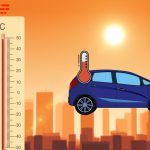
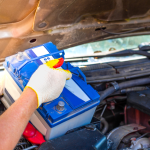
As the temperature drops and winter approaches, it’s essential to ensure your vehicle is ready to tackle the challenges of cold weather. One of the first steps is to check your battery, as cold temperatures can significantly diminish its power. Consider replacing an old battery that shows signs of wear. Next, pay attention to your antifreeze levels; this fluid prevents the engine from freezing and should be tested and topped up as necessary. Don’t forget to inspect your tires; ensuring they are adequately inflated and have good tread will enhance traction on icy roads.
Additionally, upgrading to winter wiper blades can improve visibility during snow and sleet. It’s wise to keep an emergency kit in your vehicle, equipped with essentials such as a flashlight, blanket, and first-aid supplies. Furthermore, consider having your brakes examined, as efficient braking is crucial when roads are slippery. If you often drive in harsh winter conditions, investing in all-weather tires or chains can provide extra security and control. Make these preparations now to enjoy a safer and smoother ride throughout the winter months.
Read More: Enhance Your Vision and Drive Safer at Night With These 9 Hacks
Essential Maintenance Tips to Keep Your Engine Running Smoothly
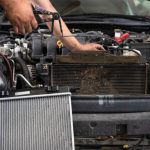
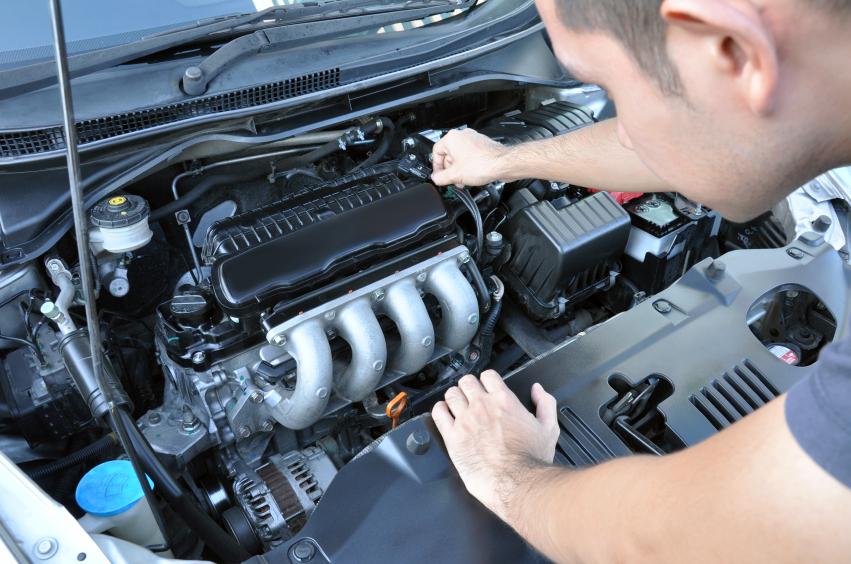
To ensure that your engine maintains peak performance during the colder months, regular maintenance is key. Start by checking your engine oil; using the right viscosity oil is crucial as it helps lubricate engine parts effectively even in low temperatures. Replace old oil and oil filters to keep your engine clean and running efficiently. Additionally, inspect your coolant system and make sure your antifreeze levels are sufficient to prevent freezing and protect against corrosion. Don’t forget to check your battery as well; cold weather can be tough on batteries, so ensure that your terminals are clean and connections are secure.
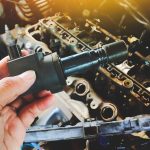
Another vital aspect is your air filter—replace it if it’s dirty to ensure proper airflow and performance. You should also pay attention to your spark plugs; replacing worn or fouled plugs can significantly improve engine performance and fuel efficiency. Furthermore, consider the fuel you use; keeping your tank at least half full can prevent condensation in the fuel lines, which is particularly important during winter. Adopting these simple practices will not only extend the lifespan of your engine but also enhance your overall driving experience.

Protecting Your Cars Exterior from Snow and Ice Damage
As the chilly winter months approach, safeguarding your vehicle’s exterior from the harsh effects of snow and ice becomes essential. The accumulation of ice and snow can lead to scratches, corrosion, and long-term damage to your car’s paint. To keep your vehicle looking pristine, consider implementing the following protective measures:
- Invest in a Quality Car Cover: A durable, weather-resistant car cover can provide an effective barrier against snow and ice.
- Regular Waxing: A freshly waxed surface helps repel moisture and offers an extra layer of protection, reducing the chances of rust forming.
- Keep it Clean: Regularly washing your car removes salt and grime that can cause corrosion over time.
- Seal Gaps and Cracks: Check for any gaps in seals around doors and windows to prevent moisture from seeping in.
Additionally, consider using a non-corrosive de-icing agent on your driveway to minimize the risk of salt damage to your vehicle. If you’re faced with heavy snowfall, investing in a set of mud flaps can help protect your car from slush and ice build-up while driving. Here’s a quick reference table for some essential winter car care products:
| Product Type | Purpose |
|---|---|
| Car Cover | Protects against snow and ice accumulation |
| Car Wax | Provides a protective barrier for the paint |
| De-Icer | Melts ice on windshields and locks |
| Mud Flaps | Prevents snow and ice from hitting the body |
Staying Safe on the Road: Winter Driving Tips and Equipment
When winter strikes, ensuring your safety on the road starts with being prepared. Equip your vehicle with essential winter driving gear to combat icy conditions. Here’s a list of must-have items:
- Winter tires: Invest in a set of high-quality winter tires designed for enhanced traction and control.
- Ice scraper and snow brush: Keep these tools handy for quick removal of ice and snow from your windshield and roof.
- Emergency kit: Stock it with blankets, non-perishable snacks, a flashlight, and a first-aid kit for unexpected situations.
- Jumper cables: Be prepared for a dead battery by carrying a set of jumper cables in your trunk.
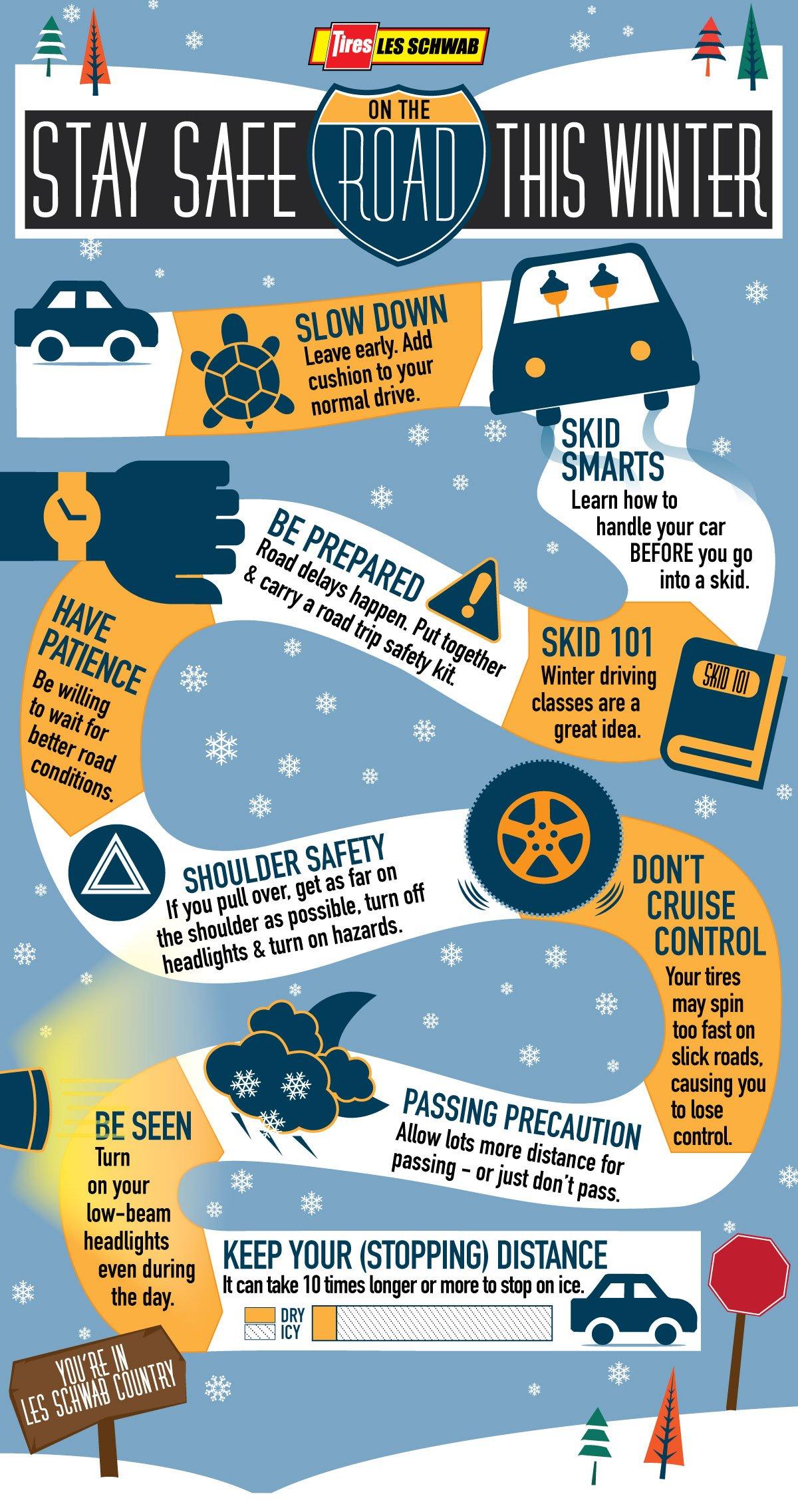
Driving during snowy weather requires additional caution. Adjust your driving habits to adapt to slick roads by maintaining a greater distance from the vehicle ahead. Implement the following techniques to stay safe:
- Slow down: Reduce your speed to gain better control of your vehicle on slippery surfaces.
- Avoid sudden movements: Make gentle turns and gradual stops to prevent skidding.
- Use headlights: Keep your headlights on to improve visibility for both you and other drivers.
- Stay informed: Check weather forecasts and road conditions before heading out to avoid dangerous routes.
Q&A
Q&A: Winter is Coming – Here’s How to Protect Your Car
Q1: Why is it important to protect my car during winter?
A: Winter can be harsh on vehicles due to cold temperatures, snow, ice, and road salt. These elements can lead to corrosion, battery issues, and decreased performance. Taking steps to protect your car can help ensure it runs smoothly and lasts longer.
Q2: What are some key steps I can take to prepare my car for winter?
A: Here are some essential steps to consider:
- Battery Check: Cold weather can weaken your battery. Have it tested and replace it if it’s more than three years old.
- Tires: Ensure your tires have adequate tread and consider switching to winter tires for better traction on snow and ice.
- Fluid Levels: Check that your antifreeze, windshield washer fluid, and oil are at the correct levels and suited for winter temperatures.
- Brakes: Ensure your brakes are functioning properly. Slippery roads require reliable braking systems.
Q3: Do I need to change my oil for winter?
A: Yes, it’s a good idea! Consider switching to a winter-grade oil, which flows better in colder temperatures, providing better engine protection during cold starts.
Q4: How can I protect my car’s exterior from winter damage?
A: Keeping your car’s exterior safe involves:
- Regular Washing: Wash your car regularly to remove road salt and grime that can lead to rust.
- Waxing: Apply a good coat of wax before winter to provide a protective barrier against harsh elements.
- Cover: If possible, park in a garage or use a weatherproof car cover to shield it from snow and ice.
Q5: What should I have in my car for emergencies during winter?
A: Always be prepared! Keep an emergency kit in your car that includes:
- Blanket
- Flashlight and batteries
- First aid kit
- Non-perishable snacks and water
- Jumper cables
- Ice scraper and shovel
- Sand or kitty litter for traction
Q6: How can I improve visibility during winter driving?
A: Visibility is crucial! Ensure your wipers are in good condition and replace them if necessary. Use winter windshield washer fluid to prevent freezing. Keep your headlights clean and check their alignment to maximize visibility.
Q7: Are there any driving tips specifically for winter conditions?
A: Absolutely! Here are a few driving tips:
- Slow Down: Increase your following distance and reduce your speed to account for slick roads.
- Use Smooth Movements: Avoid sudden stops and quick steering adjustments.
- Stay Informed: Check weather conditions before heading out and avoid driving during severe storms if possible.
Q8: How can I store my car if I won’t be using it for a while during winter?
A: If you’re not planning to use your car:
- Clean it thoroughly inside and out to prevent mold and rust.
- Fill the tank to prevent condensation.
- Disconnect the battery to avoid drainage.
- Use a breathable car cover to protect it from dust and moisture.
By following these tips, you can help ensure your car remains in great shape throughout the winter months. Happy driving, and stay warm!
To Conclude
As we brace ourselves for the chill of winter, taking proactive steps to safeguard your car is essential. From ensuring that your battery is up to par to using the right fluids and protective coverings, implementing these tips will help you navigate the season with confidence. Remember, a little preparation goes a long way in preventing costly repairs and keeping your vehicle running smoothly amidst freezing temperatures and inclement weather. So, bundle up, check your car, and hit the road knowing you’ve done your best to prepare for whatever winter throws your way. Safe travels!