Formula 1 racing is a thrilling spectacle, captivating millions of fans around the globe with its blend of speed, strategy, and cutting-edge technology. But have you ever wondered just how long a Formula 1 race actually lasts? While the excitement on the track may seem to unfold in a blur of high-speed action, understanding the race duration adds a new layer to your appreciation of this elite motorsport.
In this article, we’ll explore the typical length of a Formula 1 race, the factors that influence race duration, and what you can expect when tuning in. Whether you’re a seasoned fan or a curious newcomer, join us as we delve into the intricacies of race timing and discover everything you need to know about the thrilling world of Formula 1!
Table of Contents
- Understanding the Basic Structure of a Formula 1 Race
- Factors Influencing Race Duration and Variability
- Navigating Race Weekend: Schedule and Timing Insights
- Tips for Enjoying the Full Race Experience
- Q&A
- In Retrospect
Understanding the Basic Structure of a Formula 1 Race
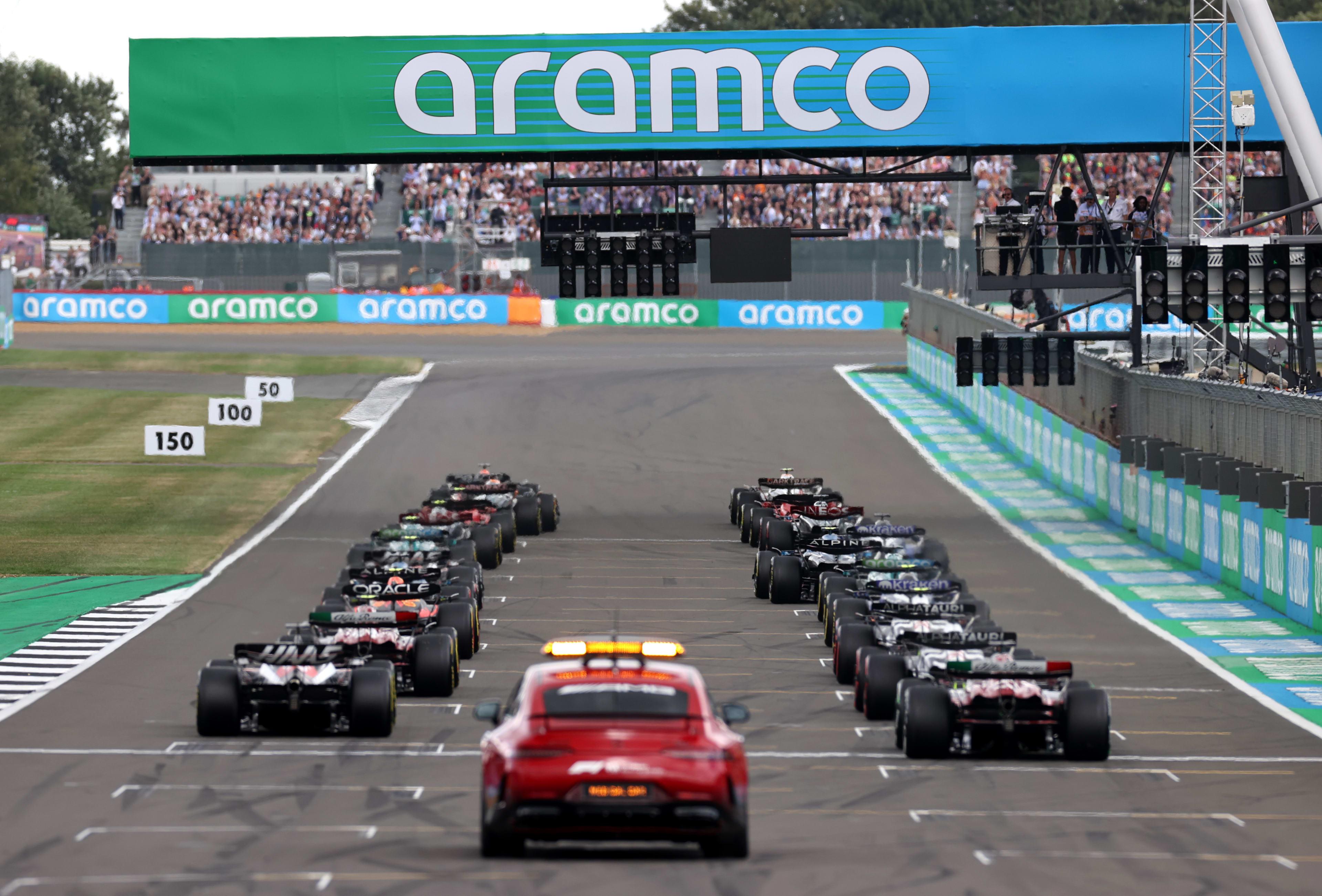
To grasp the essence of a Formula 1 race, it’s crucial to understand its structure. Each race typically comprises a series of laps, with the total distance covering 305 kilometers (approximately 190 miles), except for the iconic Monaco Grand Prix, which is shorter at 260.5 kilometers (approx. 161 miles). The number of laps varies depending on the length of the circuit, meaning that some races can feature more laps than others. This format encourages strategic decision-making regarding fuel management, tire wear, and pit stop timing, adding layers of complexity to the competition.
The race features several key elements that contribute to its excitement and unpredictability:
- Practice Sessions: Teams and drivers have designated time slots to fine-tune their vehicles before the race.
- Qualifying: Determines the starting grid, with drivers vying for the coveted pole position.
- Race Day: The culmination of the weekend where all strategies and preparations are put to the test.
| Aspect | Details |
|---|---|
| Lap Duration | Varies by circuit, typically between 1.20 and 1.45 minutes |
| Total Race Time | Usually between 1.5 to 2 hours |
| Pit Stops | Strategically executed, averaging 2-3 per race |
Factors Influencing Race Duration and Variability
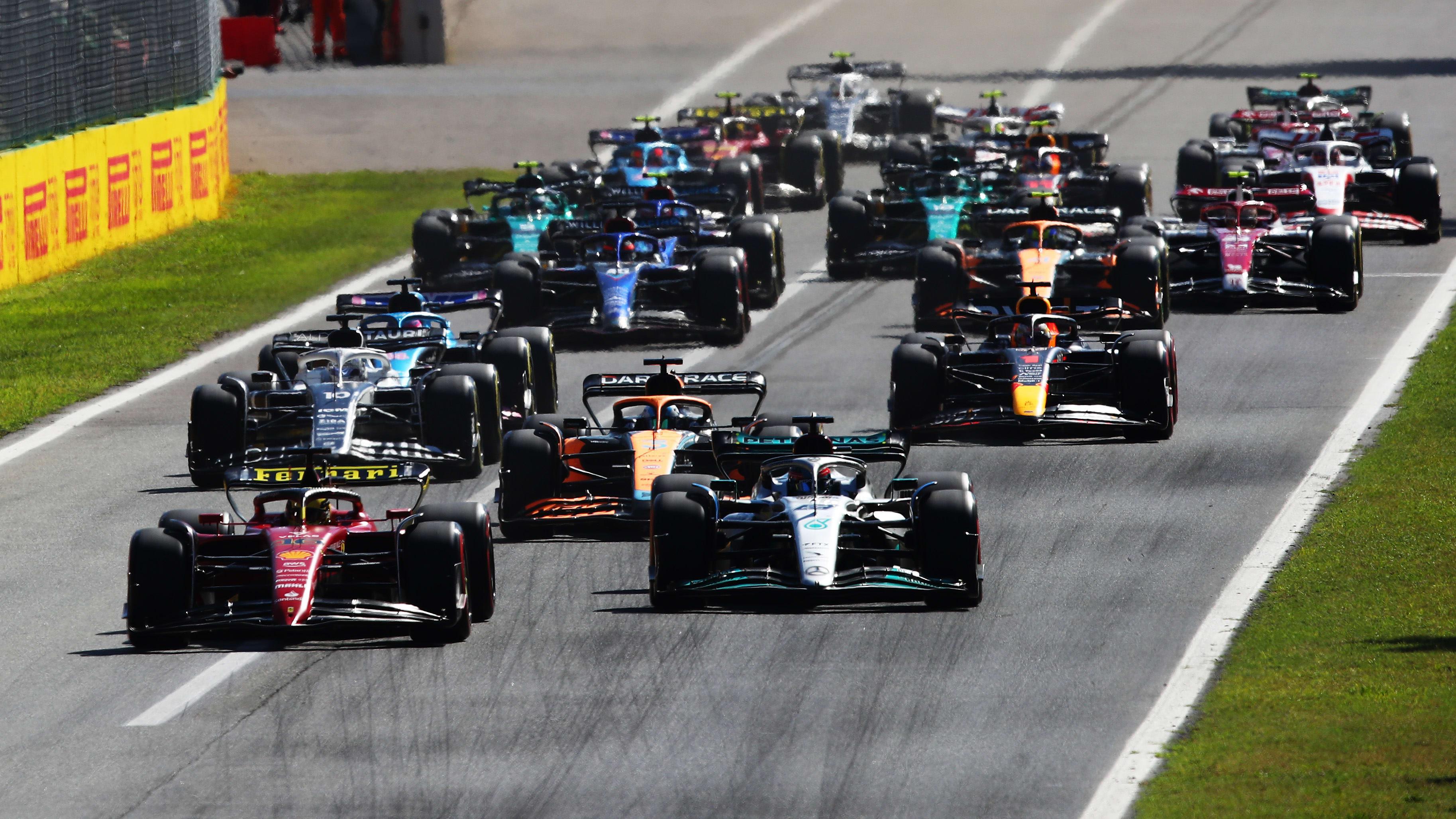
Several elements contribute to the duration and variability of a Formula 1 race, making each event a unique spectacle. One of the primary factors is the track layout, which can significantly impact lap times. For instance, street circuits like Monaco, with their tight corners and limited overtaking opportunities, often result in longer race durations compared to faster, purpose-built tracks like Monza. Additionally, weather conditions play a crucial role; rain can lead to slower lap times and increased caution among drivers, elongating the race duration.
Another important factor is the race strategy employed by each team. Tire choices and pit stop timing can vary widely, depending on the car’s performance and race conditions. Teams may opt for aggressive strategies that push the limits, aiming for speed and quick laps, or conservative approaches that prioritize tire preservation. Other variables include safety cars, which can bunch up the field and alter the race dynamics. Such interruptions not only affect the race duration but also the overall unpredictability and excitement of the event, ensuring that fans remain engaged throughout the race.
Navigating Race Weekend: Schedule and Timing Insights
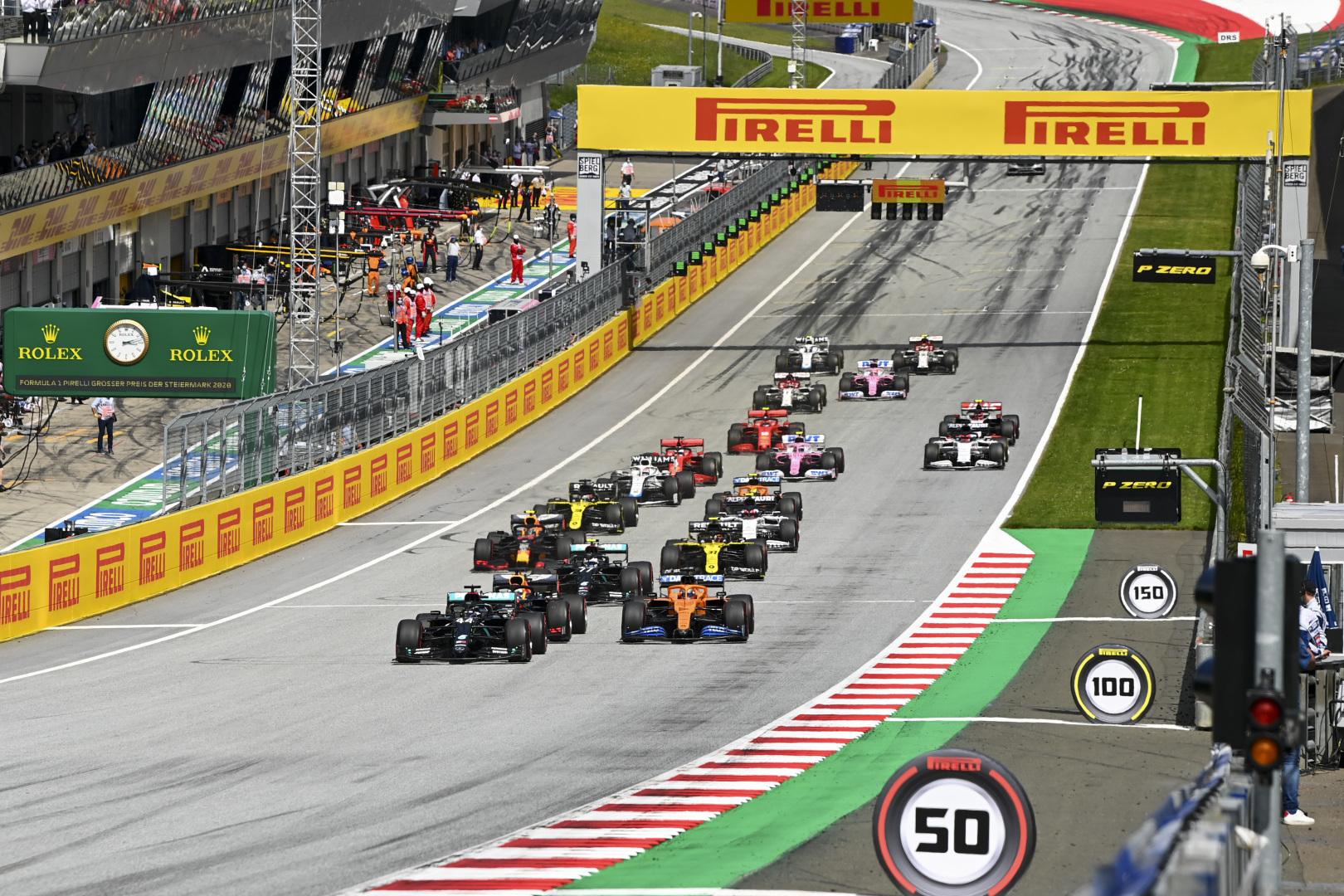
Race weekend is an exhilarating experience, packed with activities leading up to the main event. Fans can look forward to a carefully structured schedule that maximizes both excitement and organization. Typically, the weekend kicks off with practice sessions on Friday, allowing teams to fine-tune their cars and gather essential data. Saturday features qualifying rounds, where drivers aim to secure their starting positions for the race. The main event on Sunday is not just a race; it’s a culmination of strategic planning and teamwork.
Understanding the timing of each segment is crucial for a smooth experience. Here’s a quick overview of a standard race weekend schedule:
| Day | Event | Timing |
|---|---|---|
| Friday | Practice 1 | 10:00 - 11:30 |
| Friday | Practice 2 | 14:00 – 15:30 |
| Saturday | Practice 3 | 12:00 - 13:00 |
| Saturday | Qualifying | 15:00 – 16:00 |
| Sunday | Main Race | 15:00 |
Each segment is designed to enhance the competitive spirit of the race while providing fans with valuable opportunities for engagement. Knowing when each event takes place will help you plan your weekend, ensuring you don’t miss any of the high-speed action!
Tips for Enjoying the Full Race Experience
To truly immerse yourself in the adrenaline-pumping world of Formula 1, consider these suggestions for enhancing your race experience. First, arrive early to soak in the vibrant atmosphere. You can enjoy fan zones, interactive exhibits, and merchandise stalls before the race begins. Don’t forget to bring your ear protection; the roar of the engines is unforgettable, but it can be overwhelming! Additionally, keep your smartphone handy to capture the incredible moments and share live updates with your friends and family. Lastly, try to understand the track layout and drivers’ strategies; this will enrich your understanding and appreciation of the race dynamics.
When it comes to the actual race, ensure you’re well-prepared for the duration. Check the schedule for start times and any scheduled breaks to help plan your day. Plan your snacks and hydration ahead of time, as the excitement can lead to long stretches without a break. If you’re at the track, find a good spot early on to avoid the rush and ensure a clear view of the action. Here’s a quick reference table to help you gauge your race day schedule:
| Activity | Time |
|---|---|
| Arrival | 3 Hours Before Start |
| Track Walk | 2 Hours Before Start |
| Race Start | Check Schedule |
| Post-Race Activities | After Checkered Flag |
Q&A
Q&A:
Q1: How long does a typical Formula 1 race last?
A1: A typical Formula 1 race lasts around 1.5 to 2 hours. However, the official regulations state that a race must not exceed 2 hours of racing time. If a race reaches this limit without completing the required number of laps, it will end as soon as the time limit is reached.
Q2: How many laps are usually in a Formula 1 race?
A2: The number of laps in a Formula 1 race can vary significantly depending on the length of the circuit. Most races consist of around 50 to 70 laps. Each circuit has a specific distance that is 305 kilometers (approximately 190 miles) long, except for the Monaco Grand Prix, which is shorter due to its unique layout.
Q3: What factors influence the race duration?
A3: Several factors can influence the duration of a race, including weather conditions, accidents, and technical issues. Safety car deployments and red flags can also extend the overall time of the event, as the race is temporarily halted.
Q4: How does the track layout affect lap times?
A4: The layout and characteristics of the track are significant contributors to lap times. Fast circuits with long straights allow for quicker laps, while tracks with tight corners and elevation changes generally result in longer lap times. For example, the Monza circuit in Italy is known for its speed, leading to shorter overall race durations.
Q5: What happens if a race is interrupted or delayed?
A5: If a race is interrupted by a red flag due to accidents or unsafe conditions, the official clock continues to run. However, the race may be resumed after the issue is resolved. If the delay is extensive, race officials may decide to call off the event, depending on the situation and the time remaining.
Q6: Are there specific rules about race duration?
A6: Yes! According to Formula 1 regulations, races must be completed within a maximum time of 2 hours, and if there are interruptions, that time can be extended to a maximum of 3 hours, including any stoppages. Additionally, teams must strategize to ensure they complete the race distance efficiently given the time constraints.
Q7: How does pit stop strategy influence race length?
A7: Although pit stops don’t directly affect the race duration, they play a crucial role in overall race strategy. Teams must decide when to pit for tire changes, fueling (in the past), or repairs, which can influence their timing and position in the race. Effective pit stop strategies can help teams make the most of the time they have on the track.
Q8: Is there a difference in race duration between different Grand Prix events?
A8: Generally, no—most races aim for the standard distance of 305 kilometers. However, specific factors like track conditions, weather, and circuit characteristics can lead to variations in how long each race takes. A race at a shorter track might finish faster than a race at a longer track, even if both have the same lap count.
Q9: Can viewers expect the same duration for every Formula 1 event?
A9: Not necessarily! While viewers can expect a race duration of around 1.5 to 2 hours, each event has its nuances. Factors like regulation changes, unique track layouts, and evolving weather conditions can all lead to variations in duration from one Grand Prix to another.
Q10: How can fans keep track of the race duration during an event?
A10: Fans can keep an eye on the official broadcast or live timing apps that provide real-time updates on lap counts and overall race time. Many broadcasts also feature a timer that indicates the duration of the race, allowing fans to stay informed about how much time is left in the event.
Feel free to dive deeper into the fascinating world of Formula 1 racing by exploring our other articles and updates on drivers, teams, and circuits!
In Retrospect
understanding the duration of a Formula 1 race is crucial for fans and newcomers alike, as it adds depth to the exhilarating experience of this high-octane sport. With a standard race lasting around 1.5 to 2 hours and the unique variables that can influence this timeframe—such as weather conditions, safety cars, and track incidents—there’s always a chance for surprises that can keep you on the edge of your seat.
Whether you’re planning to catch the next Grand Prix live or just following from the comfort of your home, knowing the ins and outs of race duration can enhance your appreciation of the strategic elements at play. So, grab your snacks and settle in, because every second counts in the world of Formula 1 racing! Happy watching!