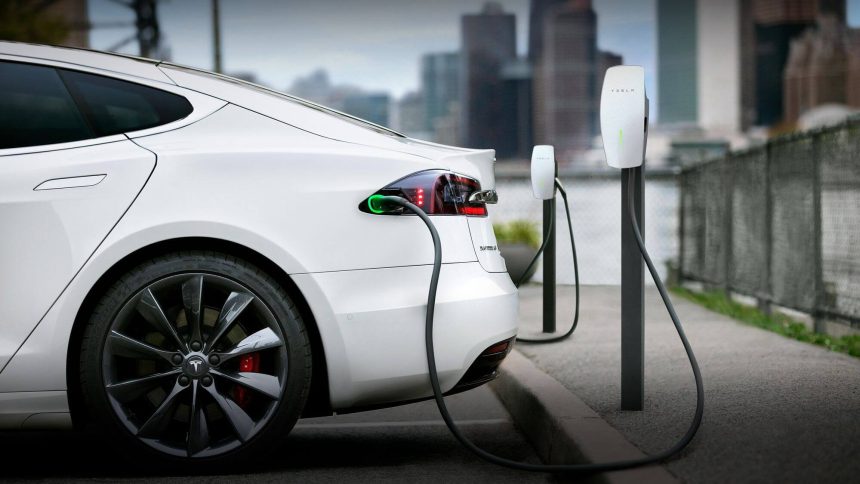
In today’s fast-paced world, electric vehicles (EVs) are becoming increasingly popular, and Tesla stands at the forefront of this automotive revolution. With their sleek designs, advanced technology, and impressive performance, Teslas have captured the hearts of many drivers. However, one question often lingers in the minds of potential and current owners alike: “How long does it take for a Tesla to fully charge?” Understanding the charging time for your electric vehicle is crucial for planning your journeys and ensuring a smooth driving experience.
In this article, we’ll break down the various charging options available for Tesla owners, explore the factors that influence charging times, and provide helpful tips to optimize your charging routine. Whether you’re a new Tesla owner or simply curious about electric vehicle technology, this comprehensive guide will provide you with everything you need to know about charging your Tesla efficiently and effectively. So, let’s plug in and get started!
Table of Contents
- Understanding Tesla Charging Levels and Their Impact on Time
- Exploring Home Charging Solutions for Fast and Efficient Charging
- Comparing Supercharging vs. Destination Charging: What You Need to Know
- Tips for Optimizing Your Tesla Charging Experience for Convenience
- Q&A
- Insights and Conclusions
Understanding Tesla Charging Levels and Their Impact on Time
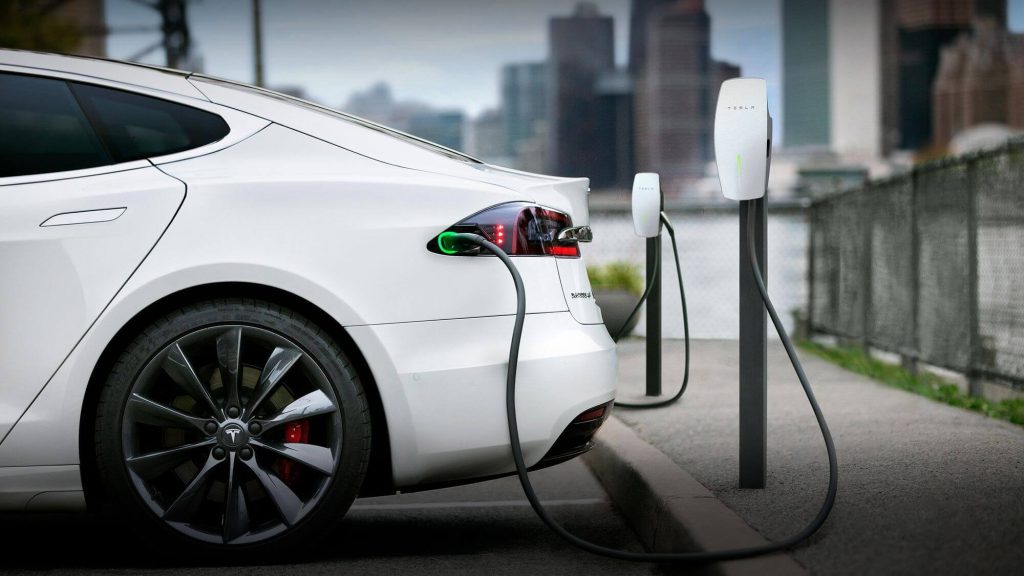
When it comes to charging a Tesla, understanding the different levels of charging is essential for optimizing your time and energy use. Tesla vehicles can be charged using various methods, categorized primarily into three levels: Level 1, Level 2, and DC Fast Charging. Each level has its own power output and charging speed, which can significantly influence the time it takes to fully charge your vehicle. Level 1 charging typically involves a standard household outlet, providing about 3-5 miles of range per hour, which is great for overnight charging but not ideal for quick top-ups. On the other hand, Level 2 charging stations, often found in public places and at home installations, can deliver approximately 25-30 miles of range per hour, offering a balance of convenience and speed.
For those needing rapid charging capabilities, DC Fast Charging stations are the go-to option, delivering a substantial boost of power that can add up to 200 miles of range in just 15-30 minutes. This makes it particularly advantageous for road trips or during urgent situations where time is of the essence. To further clarify the differences, here’s a quick comparison:
| Charging Level | Power Output | Range Added per Hour |
|---|---|---|
| Level 1 | 120V, 12A | 3-5 miles |
| Level 2 | 240V, 30A | 25-30 miles |
| DC Fast Charging | Up to 480V | 200 miles in 15-30 minutes |
By recognizing these charging levels and their respective speeds, Tesla owners can better plan their driving and charging strategies, allowing for a more seamless electric vehicle experience.
Exploring Home Charging Solutions for Fast and Efficient Charging
For Tesla owners, having a reliable home charging solution is crucial for maximizing the convenience and efficiency of electric vehicle ownership. Home charging stations come in various forms, offering different charging speeds and installation requirements. The most popular options include Level 1 chargers, which utilize a standard household outlet and are suitable for overnight charging, and Level 2 chargers that require a dedicated circuit and can dramatically reduce charging time. By investing in a Level 2 home charging station, Tesla owners can achieve faster charge times, replenishing their vehicle quickly and efficiently, making those early morning trips or late-night returns a breeze.
When choosing a home charging solution, it’s essential to consider factors such as installation costs, charging speed, and compatibility with your Tesla model. Here’s a brief comparison of the two main types of chargers:
| Charger Type | Charging Speed | Installation Requirements |
|---|---|---|
| Level 1 Charger | 4-5 miles per hour | Standard outlet, no special installation needed |
| Level 2 Charger | 25-30 miles per hour | Requires dedicated circuit, professional installation recommended |
By understanding the capabilities of these charging solutions, Tesla owners can make informed decisions that best fit their lifestyles, ensuring a seamless and efficient charging experience right at home.
Comparing Supercharging vs. Destination Charging: What You Need to Know
When it comes to charging your Tesla, understanding the differences between Supercharging and Destination Charging can significantly impact your charging experience and efficiency. Superchargers are strategically located along highways and are designed for rapid charging, allowing you to recharge your Tesla up to 80% in about 30 minutes. This makes them ideal for long road trips where speed is essential. On the other hand, Destination Chargers are typically found at hotels, restaurants, or shopping centers. They offer a slower charge, often taking several hours to reach a full charge, but they enable you to recharge while engaging in other activities, making them perfect for overnight stays or leisurely meals.
Both charging options come with their own set of advantages. Here’s a quick comparison of each type:
- Supercharging:
- Fast charging for long-distance travel
- Conveniently located along major highways
- Up to 250 kW charging rate
- Destination Charging:
- Slower charging speeds
- Great for multi-hour stops
- Available at various venues, enhancing user experience
Here’s a simple comparison table to illustrate the key differences:
| Feature | Supercharging | Destination Charging |
|---|---|---|
| Charging Speed | Fast (up to 80% in ~30 min) | Slower (full charge in several hours) |
| Location | Mainly highways | Hotels, restaurants, malls |
| Best for | Long trips and quick stops | Extended stays and leisurely activities |

Tips for Optimizing Your Tesla Charging Experience for Convenience
Charging your Tesla can be a seamless experience when you optimize it for convenience. Here are a few practical tips to enhance your charging routine:
- Plan Your Charging Locations: Use apps or the Tesla navigation system to find Supercharger stations along your route. This minimizes downtime and helps you make the most of your travel schedule.
- Charge During Off-Peak Hours: If possible, try to charge your vehicle during non-peak times to avoid long wait times and potentially lower charging costs.
- Utilize Home Charging: Install a home charging station to ensure your Tesla is always ready to go. Charging overnight can save you time in your daily routine.
- Keep Your Battery Between 20%-80%: Regularly charging within this range can prolong battery life and ensure you have sufficient power for your trips.
Additionally, understanding the different charging speeds available can help you make informed decisions about when and where to charge. The following table summarizes the charging times based on various Tesla models and charging options:
| Charging Option | Charging Time (0-100%) | Model 3 | Model S/X |
|---|---|---|---|
| Standard Home Outlet | 24-36 hours | 15-30 hours | 12-24 hours |
| 240V Home Charger | 8-10 hours | 6-8 hours | 8-10 hours |
| Supercharger | 30-60 minutes | 30-45 minutes | 40-60 minutes |
Q&A
Q&A:
Q1: How long does it take to charge a Tesla fully?
A1: The charging time for a Tesla can vary significantly based on the charging method used. On a Tesla Supercharger, you can expect about 80% charge in around 30 minutes, but fully charging to 100% might take up to an hour. Level 2 home chargers typically take 5 to 12 hours for a full charge, depending on the model and the power output of the charger.
Q2: What factors influence charging time?
A2: Several factors affect charging time, including the battery size of the Tesla model, the charging station’s power output, the current battery level when you start charging, and the temperature. For example, colder temperatures can slow down the charging rate.
Q3: What are the different types of chargers available for Tesla vehicles?
A3: Tesla vehicles can be charged using several types of chargers:
- Superchargers: These are fast-charging stations located along highways and urban areas, designed for long-distance travel.
- Level 2 Chargers: Typically used in homes or public charging stations, they provide a more moderate charging speed.
- Standard Wall Outlet (Level 1): Although this is the slowest method, it can be convenient for overnight charging at home, providing a few miles of range per hour.
Q4: Is it better to charge my Tesla to 100%?
A4: It’s generally recommended to charge your Tesla to around 80% for regular use, as frequently charging to 100% can degrade battery life over time. However, for long trips, charging to 100% is perfectly fine.
Q5: How can I optimize my Tesla’s charging time?
A5: To optimize charging time, consider the following tips:
- Use Superchargers for quick top-ups during long drives.
- Install a higher-rated Level 2 charger at home for faster overnight charging.
- Schedule charging during off-peak hours if you have a Time-of-Use electricity plan, which may offer lower rates.
- Precondition your battery before driving to improve efficiency and charging speed, especially in colder weather.
Q6: Can I use non-Tesla charging stations?
A6: Yes, Tesla owners can use non-Tesla charging stations, but you’ll need an adapter to connect. Many of these stations utilize Level 2 or DC fast charging, which may vary in charging speed, so it’s essential to check the specifications to know how long it will take.
Q7: Will charging at home cost a lot?
A7: The cost of charging at home largely depends on your local electricity rates and how much you charge. On average, charging at home can be more economical than gasoline, translating to roughly 3-6 cents per mile, depending on your model and electricity prices.
Q8: How can I monitor my charging progress?
A8: You can easily monitor your charging progress through the Tesla app or the car’s display screen. The app will give you real-time updates on battery percentage, charging speed, and estimated completion time, making it easy to plan your trips.
Feel free to ask any other questions you might have about Tesla charging times or electric vehicle ownership!
Insights and Conclusions
understanding how long it takes for a Tesla to fully charge is essential for any prospective or current owner. With a variety of charging options available—from home chargers to Superchargers—the time it takes can vary significantly based on your situation. Whether you need a quick top-up before a long journey or have the luxury of charging overnight at home, knowing your vehicle’s capabilities can greatly enhance your driving experience.
Ultimately, being equipped with this knowledge allows you to plan your trips more efficiently and helps reduce range anxiety, making the transition to electric driving smoother and more enjoyable. As Tesla continues to enhance its technology and charging infrastructure, the future of EV charging looks even brighter. So, whether you’re hitting the road for a weekend getaway or just commuting to work, you can confidently rely on your Tesla’s innovative charging capabilities. Happy driving!