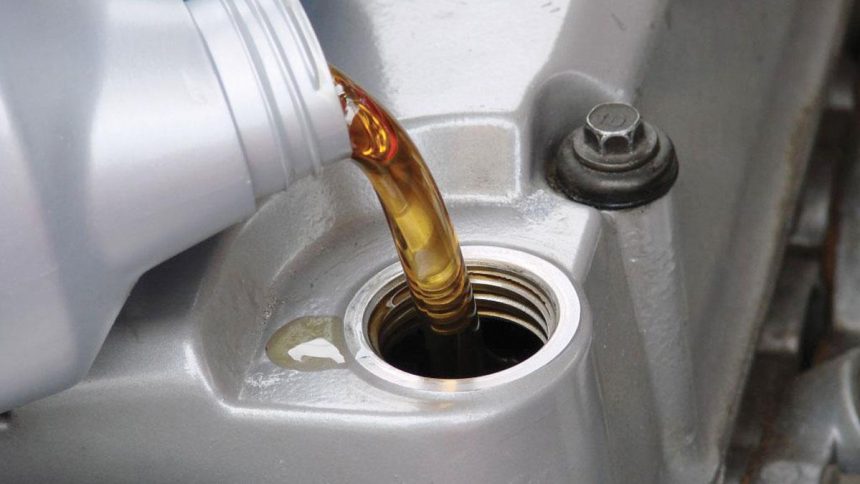
As your vehicle ages, it often requires a little extra care to keep it running smoothly and efficiently. High mileage engines, typically defined as those with over 75,000 miles, can experience wear and tear that affects performance and fuel efficiency. That’s where oil additives come into play! These specialized products are designed to enhance the properties of your engine oil, offering additional protection and prolonging the life of your engine.
In this article, we will explore the best oil additives specifically formulated for high mileage engines, helping you to make an informed choice that will not only preserve your engine’s health but also keep your driving experience enjoyable. Whether you’re a seasoned car enthusiast or just looking to extend the life of your trusty ride, read on to discover how these additives can make a significant difference in maintaining your vehicle’s performance.
Table of Contents
- Understanding High Mileage Engines and Their Unique Needs
- Key Benefits of Oil Additives for Enhanced Performance
- Top Recommendations for Oil Additives to Extend Engine Life
- How to Choose the Right Oil Additive for Your Vehicle
- Q&A
- Wrapping Up
Understanding High Mileage Engines and Their Unique Needs
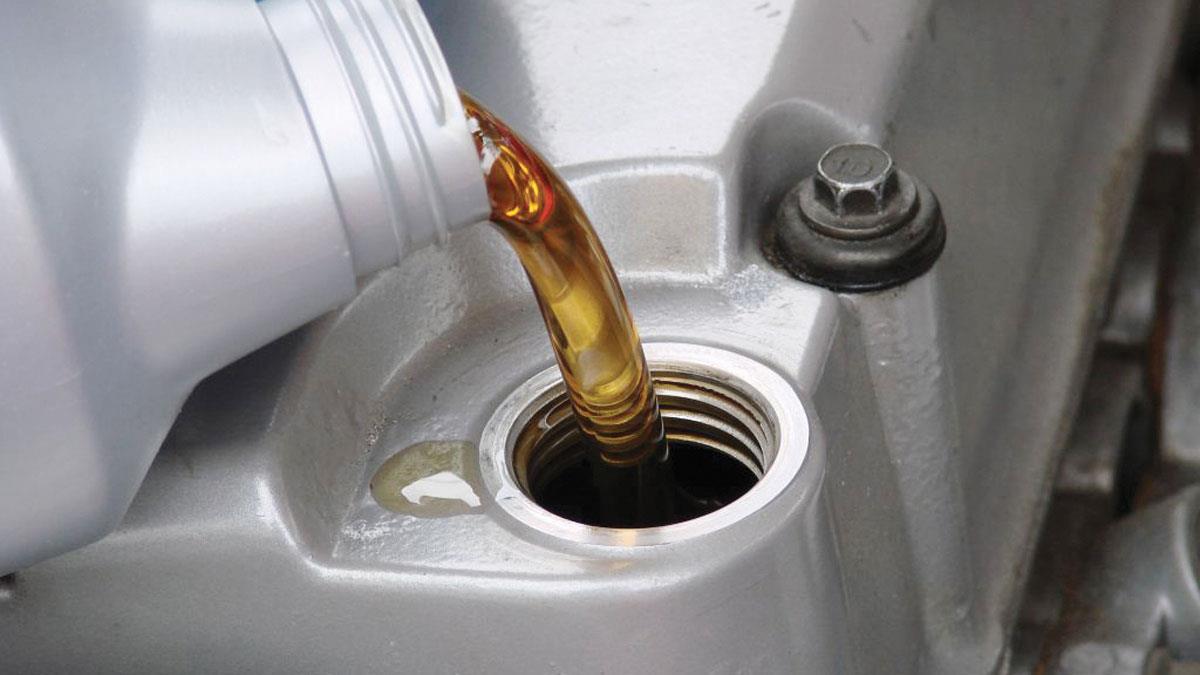
High mileage engines, typically defined as those with over 75,000 miles, present unique challenges compared to their low-mileage counterparts. As engines age, they may experience wear in critical components such as piston rings, valve seals, and gaskets, leading to increased oil consumption and leaks. Additionally, the buildup of carbon deposits and sludge can reduce engine efficiency and performance. Thus, it’s essential to recognize and address these specific needs to prolong the engine’s lifespan and maintain optimal functioning.
To support high mileage engines, consider using specialized oil additives designed to fortify engine oil and enhance lubrication. These additives typically offer benefits such as:
- Seal conditioners to help rejuvenate gaskets and O-rings, reducing leaks.
- Detergents to remove harmful deposits and sludge accumulated over time.
- Wear inhibitors that protect engine components from friction-related damage.
- Viscosity enhancers that ensure proper oil flow at varying temperatures.
When selecting the best oil additive, it’s crucial to review product specifications and compatibility with your engine type. Below is a comparison of popular oil additives for high mileage engines:
| Product | Key Features | Recommended Usage |
|---|---|---|
| Product A | Seal conditioner, anti-wear agents | Every oil change |
| Product B | High detergent formula, viscosity stabilizers | Every 5,000 miles |
| Product C | Improves fuel economy, reduces noise | At any oil change |
Key Benefits of Oil Additives for Enhanced Performance
Utilizing oil additives can significantly enhance the performance of your high mileage engine, ensuring it runs smoothly and efficiently. These specialized products are designed to reduce friction, improve lubrication, and minimize wear and tear. Here are some key benefits of incorporating oil additives into your engine maintenance routine:
- Improved Lubrication: Oil additives help create a more effective lubricant film, reducing friction between moving parts and extending engine life.
- Enhanced Protection: They provide an extra layer of protection against contaminants, sludge buildup, and thermal breakdown.
- Better Engine Cleanliness: Many additives contain detergents that keep the engine components clean, promoting optimal performance.
- Noise Reduction: Additives can help minimize engine noise, resulting in a smoother and quieter driving experience.
- Fuel Efficiency: By reducing friction and improving overall engine performance, additives can contribute to better fuel economy.
When selecting the right oil additive, it’s essential to consider the specific needs of your high mileage engine. Below is a simple comparison table of popular oil additives that are known for their benefits:
| Oil Additive | Key Benefits |
|---|---|
| Lucas Oil Stabilizer | Reduces engine noise, enhances lubrication, minimizes wear |
| Sea Foam Motor Treatment | Clears carbon deposits, cleans fuel system, stabilizes fuel |
| STP Oil Treatment | Increases viscosity, withstands high temperatures, protects seals |
Top Recommendations for Oil Additives to Extend Engine Life
- Motor Honey: This thickening agent helps reduce oil consumption and improve engine performance by enhancing oil viscosity.
- Sea Foam Motor Treatment: Known for its ability to clean and lubricate, this additive can help clear out carbon deposits and keep the fuel system running smoothly.
- Lucas Heavy Duty Oil Stabilizer: A blend of premium base oils, it enhances existing oils by providing better lubricity and reducing engine noise.
- STP Oil Treatment: This product helps in sealing leaks and boosts oil consumption protection, making it an excellent choice for aging engines.
In addition to these options, consider the following features when selecting an oil additive:
| Feature | Description |
|---|---|
| Compatibility | Ensure the additive is compatible with your engine’s oil type. |
| Cleansing Agents | Look for additives that contain detergents for cleaning and preventing sludge build-up. |
| Temperature Resistance | Effective additives should withstand high temperatures to protect engine components. |
How to Choose the Right Oil Additive for Your Vehicle
Choosing the right oil additive for your high mileage engine can significantly enhance performance and longevity. Start by identifying the specific needs of your vehicle. Consider the following factors when selecting an oil additive:
- Engine Condition: Determine whether your engine has excessive wear, leaks, or a tendency to consume oil.
- Type of Oil: Ensure compatibility between the additive and your current oil—synthetic or conventional.
- Additive Purpose: Decide if you need a product that reduces friction, cleans deposits, or restores lost viscosity.
Additionally, it’s crucial to look for reputable brands and read reviews from other drivers. Here are some key features to seek out:
- High Mileage Formula: Look for additives specifically designed for older engines with over 75,000 miles.
- Seal Conditioners: These can help rejuvenate and protect engine seals to prevent leaks.
- Detergents: A good additive should include detergents for improved cleanliness and reduced sludge formation.
| Brand | Key Benefits | Ideal For |
|---|---|---|
| Liqui Moly | Reduces wear, boosts oil stability | Engines with high mileage |
| Marvel Mystery Oil | Cleans and protects | Older vehicles with deposits |
| STP High Mileage | Restores lost compression | Engines facing oil consumption issues |
Q&A
Q&A:
Q1: What are oil additives, and why are they important for high mileage engines?
A1: Oil additives are specially formulated substances that are mixed with engine oil to enhance its performance and protect engine components. For high mileage engines, which typically have over 75,000 miles, these additives can help reduce wear and tear, improve lubrication, and prevent sludge build-up, ultimately extending the engine’s lifespan.
Q2: How do high mileage engine oil additives work?
A2: High mileage oil additives work by addressing specific issues faced by older engines. They may include detergents that clean out deposits, seal conditioners that rejuvenate and prevent leaks, and anti-wear agents that protect critical engine parts. By improving oil viscosity and reducing friction, these additives help maintain optimal performance.
Q3: What are the key benefits of using oil additives for high mileage engines?
A3: The key benefits include improved engine performance, reduced oil consumption, lower emissions, enhanced protection against wear and tear, and potentially increased fuel efficiency. By using the right additive, you can prolong the life of your engine and save money on repairs in the long run.
Q4: How do I choose the best oil additive for my high mileage engine?
A4: When choosing an oil additive, consider factors like your engine’s specific needs, the type of oil you currently use (synthetic or conventional), and any existing issues, such as leaks or noise. Look for products that clearly state they are formulated for high mileage engines and check for reviews or recommendations from trusted sources.
Q5: Are there any risks associated with using oil additives in high mileage engines?
A5: Generally, using high-quality oil additives is safe and beneficial, but some products may not be compatible with certain engine types or oils. It’s essential to read labels and choose reputable brands. Avoid using additives that claim to “fix” major engine problems, as they can cause more harm than good.
Q6: Can I use oil additives with synthetic oil?
A6: Yes, many high mileage oil additives are compatible with synthetic oils. In fact, using an additive designed for high mileage engines can enhance the properties of synthetic oil, further protecting your engine. Just ensure that the additive is formulated for the specific type of oil you’re using.
Q7: How often should I use oil additives in my high mileage engine?
A7: The frequency of use depends on the product and your engine’s condition. Typically, it’s recommended to add an oil additive during an oil change or every 3,000 to 5,000 miles. Always follow the manufacturer’s guidelines for the specific product you choose.
Q8: What are some recommended oil additives for high mileage engines?
A8: Some widely recommended oil additives for high mileage engines include:
- Lucas High Mileage Oil Stabilizer: Known for reducing wear and extending oil life.
- Rislone High Mileage Treatment: Offers engine cleaning and seal conditioning.
- STP High Mileage Oil Treatment: Helps protect against wear and maintain oil viscosity.
Always check reviews and ensure compatibility with your engine type before making a choice!
Q9: Is there anything else I should do to care for my high mileage engine?
A9: Absolutely! Besides using oil additives, regular maintenance is key to extending your engine’s life. Stay on schedule with oil changes, check fluid levels, replace air filters, and keep an eye on any changes in performance or leaks. Regular check-ups with a mechanic can also help catch potential issues early.
Q10: Where can I find these oil additives?
A10: You can find oil additives at most auto parts stores, large retail chains, or online marketplaces. Be sure to read product descriptions and customer reviews to find the best option for your high mileage engine. Happy driving!
Wrapping Up
choosing the right oil additive for your high mileage engine can make a significant difference in its performance and longevity. By giving your engine the care it deserves, you not only enhance its efficiency but also extend its lifespan, saving you both time and money in the long run. Whether you opt for a friction modifier, a seal conditioner, or a full synthetic blend, remember to always read the labels and consider the specific needs of your vehicle. Regular maintenance, combined with a quality oil additive, can keep your engine running smoothly for many more miles to come. Thank you for joining us on this journey to engine health—here’s to many more adventures on the road ahead! Safe driving!