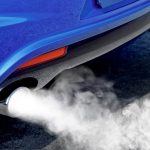
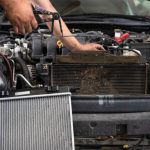
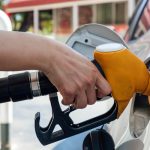
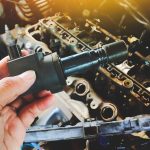
If you’ve noticed your car acting a little quirky lately, such as stalling unexpectedly or struggling to start, it might be time to pay attention to one crucial component: the fuel pump. This vital part of your vehicle’s fuel system plays a major role in ensuring that gasoline reaches the engine efficiently, allowing your car to run smoothly. However, like any mechanical component, fuel pumps can wear out or malfunction over time, leading to a host of frustrating symptoms.
In this article, we’ll explore the telltale signs that your fuel pump may be in need of some TLC. By recognizing these symptoms early, you can avoid more extensive repairs down the road and keep your vehicle performing at its best. So, let’s dive in and learn how to spot the warning signs your car is trying to tell you!
Table of Contents
- Understanding the Role of the Fuel Pump in Your Vehicle
- Common Symptoms Indicating Fuel Pump Issues
- How to Diagnose and Troubleshoot Fuel Pump Problems
- When to Seek Professional Help for Fuel Pump Repairs
- Q&A
- The Way Forward

Understanding the Role of the Fuel Pump in Your Vehicle
The fuel pump serves a critical function in powering your vehicle by delivering gasoline from the fuel tank to the engine. This component is designed to maintain the engine’s performance by ensuring a steady flow of fuel under the appropriate pressure. A faulty fuel pump can lead to various issues, including poor fuel efficiency and engine performance problems. Recognizing how this intricate piece of machinery works will help you identify when something is amiss and when to seek assistance.
Several symptoms may indicate that your fuel pump is on the verge of failure, making it essential to stay vigilant. Key signs to look for include:
- Engine sputtering or misfiring: Inconsistent fuel delivery can cause the engine to run roughly.
- Difficulty starting: If your car struggles to start or takes longer than usual, it could be a sign of a fuel pump issue.
- Loss of power under stress: Experiencing a sudden drop in power, especially during acceleration, is a major red flag.
- Unusual noises: Hearing whining or buzzing sounds from the fuel tank can indicate a failing pump.
| Symptoms | Possible Causes |
|---|---|
| Engine sputtering | Poor fuel delivery |
| Difficulty starting | Faulty fuel pump |
| Loss of power | Clogged fuel filter |
| Unusual noises | Worn-out pump components |
Common Symptoms Indicating Fuel Pump Issues
When your fuel pump is on the fritz, your vehicle will likely give you several telltale signs that something is wrong. One of the first symptoms you might notice is engine sputtering or misfiring, especially during acceleration. This occurs because the fuel pump is failing to deliver a consistent supply of fuel to the engine, leading to erratic performance. Additionally, you may experience difficulty starting the car, which can be frustrating. When the fuel pump struggles to generate enough pressure, it can lead to prolonged cranking times or even a complete failure to start.
Another common indicator is a decrease in fuel efficiency. If you’ve noticed that you’re making more trips to the gas station than usual, your fuel pump may not be functioning effectively. Furthermore, keep an eye out for any unusual noises coming from the fuel tank, such as whining or humming. This can signal that the pump is working harder than it should. Lastly, an illuminated check engine light can be a red flag as well; it’s always wise to get it checked by a professional to identify the exact cause and prevent potential breakdowns.
How to Diagnose and Troubleshoot Fuel Pump Problems
When diagnosing fuel pump problems, it’s essential to pay attention to the symptoms your vehicle exhibits. Common indications that the fuel pump may be malfunctioning include difficulty starting the engine, engine sputtering at high speeds, and reduced fuel efficiency. Additionally, if you notice a loud whining noise coming from the fuel tank or experience a complete loss of power while driving, it’s a clear sign that the fuel pump needs immediate attention. Observing these behaviors can help you pinpoint issues before they escalate into more significant problems.
To troubleshoot, start by checking the fuel gauge to ensure there is fuel in the tank. If the tank is full and problems persist, consider the following steps:
- Inspect the fuel lines for leaks or damages.
- Test the fuel pump relay and fuses for continuity.
- Listen for sounds from the fuel pump when the ignition is turned on.
If the above checks do not resolve the issue, it may be necessary to obtain a fuel pressure gauge to measure the fuel pressure in the system. The ideal pressure readings can vary by vehicle make and model, so consult your vehicle’s manual for specific guidelines. Below is a simple table for quick reference:
| Vehicle Model | Ideal Fuel Pressure (PSI) |
|---|---|
| Honda Civic | 30-40 |
| Toyota Corolla | 36-42 |
| Ford Mustang | 35-60 |
When to Seek Professional Help for Fuel Pump Repairs
Understanding when to consult a professional for fuel pump repairs can save you from more significant issues down the line. If you notice persistent symptoms such as a loss of power during acceleration or the engine sputtering, it’s crucial to take action. Other warning signs include:
- Difficulty Starting the Engine: If your car struggles to start, especially after refueling, it might be a sign of a failing fuel pump.
- Unusual Noises: A whining or screeching sound coming from the fuel tank can indicate pump problems.
- Engine Overheating: A malfunctioning fuel pump can lead to fuel starvation, causing your engine to overheat.
If you experience any of these symptoms, it’s advisable to seek help from a certified mechanic. Ignoring these signs can lead to further complications, such as complete fuel pump failure. Remember, your safety and your vehicle’s performance hinge on prompt action. Consider the following table for a quick reference on when to make that call:
| Symptom | Action |
|---|---|
| Difficulty Starting | Consult a mechanic immediately. |
| Strange Noises | Schedule an inspection. |
| Engine Overheating | Stop driving and seek assistance. |
Q&A
Q&A: Bad Fuel Pump Symptoms – Signs Your Car Needs Attention
Q: What is a fuel pump, and what role does it play in my vehicle?
A: The fuel pump is a crucial component of your car’s fuel system. Its primary function is to transport fuel from the gas tank to the engine. A properly functioning fuel pump ensures that your engine receives the right amount of fuel for optimum performance.
Q: What are some common symptoms of a failing fuel pump?
A: There are several signs that may indicate a bad fuel pump, including:
- Engine sputtering: If your engine hesitates or sputters during acceleration, it could indicate inconsistent fuel delivery.
- Difficulty starting: If your car struggles to start or takes longer than usual, a failing fuel pump might be the culprit.
- Loss of power: A noticeable drop in acceleration or power, particularly at high speeds, could signal a fuel pump issue.
- Unusual noises: A whining or humming noise coming from the fuel tank can be a warning sign of pump failure.
- Dashboard warning lights: If the check engine light or any other warning indicators illuminate, it’s essential to investigate further.
Q: How can weather affect fuel pump function?
A: Extreme temperatures can impact a fuel pump’s performance. Cold weather may cause fuel to thicken, while excessive heat can lead to increased wear and tear. Maintaining your vehicle in varied weather conditions is vital for the longevity of the fuel pump.
Q: What factors contribute to fuel pump failure?
A: Several factors can lead to a failing fuel pump:
- Old age: Fuel pumps have a limited lifespan and may fail over time.
- Contaminated fuel: Dirt, debris, or water in the fuel can damage the pump and clog the fuel filter.
- Overheating: Consistent low fuel levels can cause the pump to run hotter than normal, reducing its lifespan.
- Electrical issues: Faulty wiring or poor connections can also affect pump performance.
Q: How can I maintain my fuel pump to avoid issues?
A: To keep your fuel pump in good shape, consider the following tips:
- Regular fuel filter changes: Replace the fuel filter as recommended to prevent contaminants from reaching the fuel pump.
- Keep the gas tank at least a quarter full: This helps prevent overheating and ensures the pump is submerged in fuel, keeping it cool.
- Use high-quality fuel: Opt for reputable gas stations with clean, quality fuel to minimize the risk of contamination.
Q: When should I take my car to a mechanic?
A: If you notice any of the symptoms mentioned above, it’s wise to consult a mechanic as soon as possible. Ignoring these signs can lead to more severe engine damage and costly repairs down the line.
Q: Is replacing a fuel pump an expensive repair?
A: The cost of replacing a fuel pump can vary widely based on the make and model of your vehicle, as well as labor costs in your area. While it can be a significant expense, addressing a failing fuel pump promptly can save you from more extensive repairs and ensure your car runs smoothly.
Q: Can I drive my car if I suspect the fuel pump is failing?
A: It’s not advisable to continue driving if you suspect a fuel pump issue. Doing so can lead to further damage and potentially leave you stranded. It’s best to have your vehicle inspected by a professional to assess the situation.
If you experience any of these symptoms, don’t hesitate to reach out to a trusted mechanic for assistance. Taking care of these issues early can keep you safe on the road and prolong the life of your vehicle!
The Way Forward
recognizing the symptoms of a failing fuel pump is crucial for maintaining your vehicle’s performance and ensuring your safety on the road. By staying alert to issues such as difficulty starting, sputtering during acceleration, or a sudden drop in fuel efficiency, you can take proactive steps to address the problem before it leads to more significant repairs. Remember, a well-functioning fuel pump is vital for delivering the right amount of fuel to your engine, keeping it running smoothly. If you notice any of these warning signs, don’t hesitate to consult a trusted mechanic. Regular maintenance and timely repairs can help you avoid unexpected breakdowns and keep your car in top shape. Stay safe, stay informed, and happy driving!