Car safety has come a long way in recent years, thanks to continuous advancements in technology. These innovations are designed to reduce accidents, protect passengers, and make driving a safer experience. In this article, we will explore the latest advancements in car safety features, their benefits, and how they are revolutionizing the automotive industry.
The Evolution of Car Safety
Early Safety Innovations
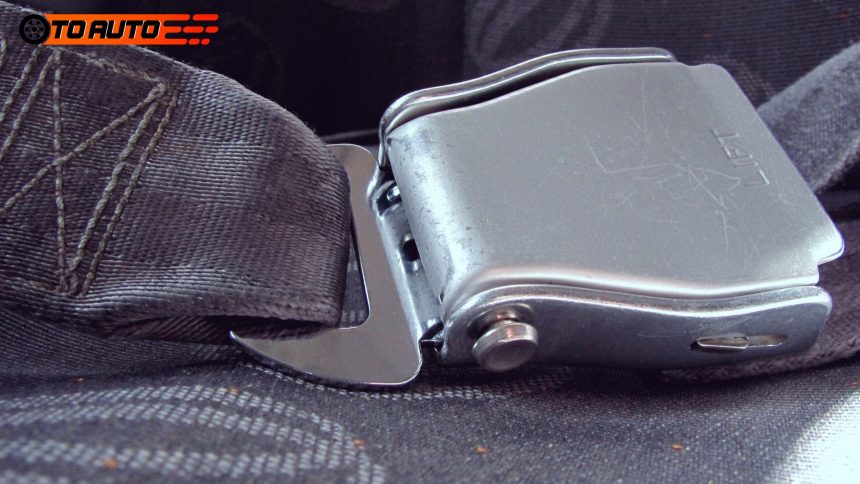
The journey of car safety began with simple innovations like seat belts and airbags. These early advancements significantly reduced fatalities and injuries in accidents. Seat belts became mandatory in many countries, leading to widespread adoption and a notable decrease in traffic-related deaths.
Airbags, introduced in the 1980s, further enhanced passenger safety. They provided a cushion during collisions, reducing the risk of severe injuries. These foundational safety features paved the way for more sophisticated technologies.
Modern Safety Technologies
Today, car safety has evolved to include advanced systems that prevent accidents and protect occupants. Modern cars are equipped with a range of sensors, cameras, and software that work together to enhance safety. These technologies are designed to detect potential hazards and assist drivers in avoiding accidents.
The integration of these advanced systems has made modern vehicles safer than ever before. From collision avoidance to driver assistance, the focus is now on preventing accidents rather than just mitigating their impact.
Read More: The Ultimate Car Brand Showdown: Best vs. Worst
Advanced Driver Assistance Systems (ADAS)
Adaptive Cruise Control
Adaptive Cruise Control (ACC) is an advanced feature that automatically adjusts the vehicle’s speed to maintain a safe distance from the car ahead. It uses radar and cameras to monitor traffic conditions and adapt accordingly. This system reduces the need for constant speed adjustments and enhances highway driving safety.
ACC can bring the car to a complete stop if necessary and resume speed when traffic allows. This feature is particularly useful in heavy traffic, reducing driver fatigue and improving overall safety.
Lane Departure Warning and Assist
Lane Departure Warning (LDW) systems alert drivers when they unintentionally drift out of their lane. This feature uses cameras to detect lane markings and provides visual or auditory warnings. If the driver does not respond, Lane Keeping Assist (LKA) can gently steer the car back into its lane.
These systems are designed to prevent accidents caused by driver distraction or drowsiness. By keeping the vehicle within its lane, they reduce the risk of collisions with other vehicles or roadside obstacles.
Collision Avoidance Systems
Automatic Emergency Braking
Automatic Emergency Braking (AEB) is a critical safety feature that can prevent or reduce the severity of collisions. This system uses sensors to detect obstacles ahead and automatically applies the brakes if the driver fails to respond in time. AEB can significantly reduce the risk of rear-end collisions and improve overall road safety.
AEB systems are particularly effective in urban environments where sudden stops are common. They provide an added layer of protection, especially in situations where the driver is momentarily distracted.
Blind Spot Detection
Blind Spot Detection (BSD) systems use sensors to monitor the areas around the vehicle that are not visible to the driver. When a vehicle enters the blind spot, the system provides a warning, typically through a light in the side mirror or an audible alert. This feature helps prevent accidents during lane changes and merges.
BSD is especially useful on highways and busy roads where vehicles frequently move in and out of blind spots. By alerting drivers to potential hazards, BSD enhances situational awareness and reduces the likelihood of collisions.
Enhancing Passenger Protection
Advanced Airbag Systems
Modern vehicles are equipped with advanced airbag systems that provide better protection for passengers. These systems include multiple airbags strategically placed throughout the cabin. In addition to front airbags, side curtain airbags and knee airbags offer enhanced protection in various types of collisions.
These advanced airbag systems are designed to deploy in a controlled manner, minimizing the risk of injury from the airbags themselves. They adapt to the severity of the collision and the position of the occupants to provide optimal protection.
Pre-Collision Safety Systems
Pre-Collision Safety Systems (PCS) use a combination of radar and cameras to detect potential collisions before they happen. These systems can warn the driver and prepare the vehicle for impact by tightening seat belts, adjusting seat positions, and activating other safety measures. PCS aims to reduce the severity of collisions and protect occupants from harm.
PCS systems are particularly valuable in preventing accidents caused by sudden stops or unexpected obstacles. By preparing the vehicle and its occupants, these systems enhance overall safety and reduce the risk of injury.
Future Trends in Car Safety
Autonomous Driving
Autonomous driving technology Car Safety promises to revolutionize car safety by eliminating human error. Self-driving cars use a combination of sensors, cameras, and artificial intelligence to navigate and make decisions. These vehicles are designed to follow traffic laws, avoid obstacles, and respond to changing road conditions without human intervention.
While fully autonomous cars are still in development, many modern vehicles already feature semi-autonomous driving systems. These systems can handle specific tasks, such as highway driving and parking, under driver supervision.
Vehicle-to-Everything (V2X) Communication
Vehicle-to-Everything (V2X) Car Safety communication technology enables cars to communicate with each other and with infrastructure like traffic lights and road signs. This technology allows vehicles to share information about their speed, location, and direction, enhancing situational awareness and reducing the risk of accidents.
V2X communication can improve traffic flow, reduce congestion, and enhance overall road safety. By enabling vehicles to work together, this technology represents a significant advancement in car safety.
Conclusion
The advancements in car safety features have transformed the driving experience, making it safer and more secure. From adaptive cruise control to autonomous driving, these innovations are designed to prevent accidents and protect passengers. As technology continues to evolve, we can expect even more sophisticated safety systems to emerge, further enhancing car safety.
Staying informed about these advancements is crucial for making informed decisions when purchasing a vehicle. By choosing a car equipped with the latest safety features, you can enjoy a safer and more confident driving experience.